A brighter, smoother complexion can come from more than one treatment plan, which is why the vampire facial vs microneedling question deserves more than a quick comparison. Both treatments use controlled micro-injuries to encourage the skin’s natural renewal process, but one adds platelet-rich plasma (PRP) from your own blood. The better choice depends on your goals, skin history, comfort with blood draws, downtime preferences, and the level of correction your skin needs.
At Medical Advanced Skin Care, treatment recommendations begin with your skin, not a trend. Whether you are focused on acne scars, early fine lines, enlarged pores, dullness, or maintaining a healthy glow, a thoughtful consultation helps determine the most effective path forward.
What Is Microneedling?
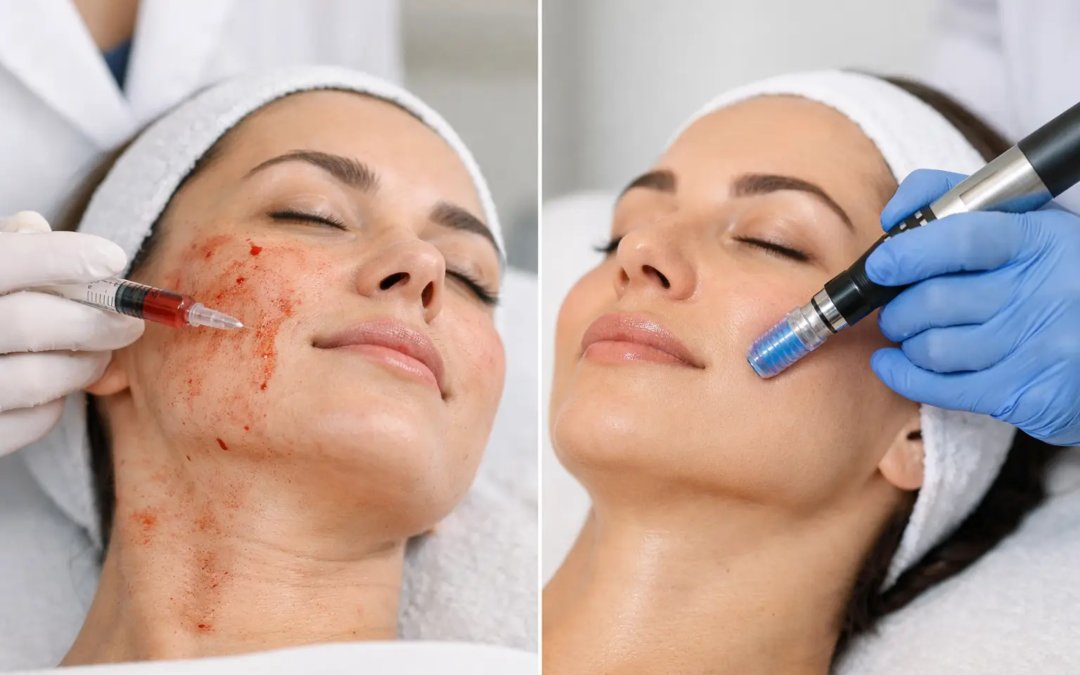
Microneedling is a collagen-induction treatment that creates precise, controlled microchannels in the skin with sterile, ultra-fine needles. SkinPen® microneedling is an advanced, FDA-cleared option designed to stimulate the skin’s natural repair response while supporting smoother-looking texture and a more even appearance over time.
As the skin responds to those microchannels, it begins a gradual remodeling process. This is why microneedling is often chosen for concerns that cannot be addressed fully with a surface-level facial alone, including visible pores, fine lines, acne scarring, uneven texture, and mild loss of firmness.
A standard microneedling appointment does not require a blood draw. After the skin is cleansed and numbed for comfort, the provider adjusts the treatment depth according to the area being treated and your individual concerns. A calming, appropriate post-treatment product may be applied afterward to support recovery.
Most clients look pink to red immediately after treatment, similar to a moderate sunburn. That redness commonly improves within one to three days, although skin can feel dry, tight, or slightly rough as it renews. Results develop gradually, with a series of treatments often recommended for more noticeable concerns such as acne scars.
What Is a Vampire Facial?
A vampire facial is the popular name for microneedling performed with platelet-rich plasma, or PRP. PRP is created from a small sample of your blood. The sample is processed to separate and concentrate the platelets within the plasma, then the PRP is applied during microneedling and, in some protocols, may be strategically injected by a qualified medical professional.
Platelets contain growth factors that play a role in the body’s healing response. When PRP is paired with microneedling, the freshly created microchannels provide a route for the plasma to be applied to the treatment area. The goal is to support the skin’s natural regenerative process with a material that comes from your own body.
The treatment can be appealing to clients who want a more advanced regenerative option for crepey texture, fine lines, acne scars, or a tired-looking complexion. It is not a miracle shortcut, and it is not automatically better for every person. PRP adds a layer of customization and may be particularly worthwhile when the concern is more significant or when a client prefers an autologous approach.
Because a vampire facial includes blood collection and PRP preparation, the appointment is typically longer and priced higher than microneedling alone. The experience should always be performed in a clinical setting with careful attention to sterile technique, appropriate screening, and post-care guidance.
Vampire Facial vs Microneedling: The Meaningful Differences
The foundational treatment is similar: both procedures use microneedling to promote skin renewal. The primary difference is what is used alongside it. Traditional microneedling relies on the skin’s response to controlled microchannels and may include professional-grade topical support. A vampire facial adds your processed PRP to the protocol.
That difference affects the experience, cost, and treatment planning. Microneedling alone is often an excellent starting point for clients seeking clearer texture, refined pores, softer fine lines, and preventive collagen support. It is efficient, effective, and easier to fit into a consistent maintenance plan.
A PRP vampire facial may make sense when your provider believes an added regenerative component could complement your goals. Some clients choose it for more pronounced textural concerns, post-acne marks, or a desire for a higher-level rejuvenation treatment before a special event with adequate recovery time. Individual response varies, so no responsible provider should promise identical results from PRP for every skin concern.
Neither treatment is meant to replace procedures better suited to deep wrinkles, significant laxity, active acne, severe pigmentation, or volume loss. Depending on your skin, treatments such as chemical peels, BroadBand Light, skin tightening, or a targeted home-care regimen may be a better fit, or may be incorporated at a different point in your plan.
Results and Treatment Series
Both options work with the skin’s natural timeline. You may notice a fresh, hydrated appearance after initial healing, but collagen remodeling takes weeks. Many clients begin with a series of three microneedling treatments spaced about four to six weeks apart, then move into maintenance based on their goals and skin condition.
PRP can be included in a series or selected as an occasional enhancement. Your provider may recommend it differently for someone addressing long-standing acne scars than for someone whose goal is a refreshed glow and ongoing collagen support. Consistency, sun protection, and medical-grade skincare have a meaningful influence on the longevity of results.
Downtime and Comfort
Downtime is generally manageable for both treatments. Expect redness on the day of treatment and plan to avoid makeup, strenuous exercise, heat exposure, swimming, and direct sun as instructed. The skin may appear especially flushed after a vampire facial because it involves both microneedling and PRP application, but recovery experiences vary.
Topical numbing helps make treatment comfortable for most clients. With PRP, there is also the brief blood draw to consider. If needles or blood draws make you uneasy, standard microneedling can offer many of the same core benefits without that portion of the appointment.
Cost and Value
Microneedling is usually the more accessible option because it does not involve blood collection, centrifuge processing, or PRP preparation. A vampire facial costs more for those added clinical steps and materials. The best value is not necessarily the most intensive treatment. It is the treatment that addresses your concern appropriately and can be repeated safely within a plan you are comfortable maintaining.
Who Should Choose Each Treatment?
Microneedling alone can be a strong choice for generally healthy adults who want to improve early signs of aging, mild to moderate texture irregularities, enlarged pores, or old acne marks. It also suits clients who want a proven, structured treatment series without the added expense or blood draw associated with PRP.
A vampire facial may be a better conversation for clients looking for a more customized regenerative approach, especially when texture changes or scarring are more persistent. It can also appeal to those who prefer using their own PRP rather than relying solely on topical products during treatment.
Your provider should review more than your cosmetic goals. Active acne, open wounds, skin infections, certain blood disorders, pregnancy, a history of abnormal scarring, medications that affect bleeding or healing, and recent use of specific skin medications can change whether treatment is appropriate or when it should be scheduled. Share your complete health history and every medication or supplement you take. That information protects both your safety and your results.
How to Prepare and Protect Your Results
Preparation is simple but matters. Arrive with clean skin when possible, avoid excessive sun exposure before your appointment, and follow any medication guidance provided by your clinician. Do not schedule microneedling immediately before a beach weekend, important photos, or an event where redness would feel stressful.
After either treatment, treat your skin gently. Use the post-care products recommended by your provider, avoid picking or exfoliating, and wear sunscreen consistently once instructed to resume it. South Florida sun exposure can quickly undermine progress with texture and pigmentation, so daily broad-spectrum protection is part of the investment, not an optional extra.
The right answer is rarely about choosing the most talked-about service. It is about choosing care that respects your skin’s current condition, your schedule, and the confidence you want to see in the mirror. A personalized consultation can turn that choice into a treatment plan that feels as considered as the results you are working toward.