Persistent facial flushing can make even a simple day in South Florida feel uncomfortable. If you are wondering, can laser treat rosacea, the answer is often yes – particularly when visible blood vessels, diffuse redness, and frequent flushing are your main concerns. The right light-based treatment can noticeably reduce the appearance of redness, but rosacea is a chronic skin condition, not something a single appointment permanently erases.
At Medical Advanced Skin Care, treatment planning begins with understanding what your skin is doing, what triggers it, and whether a laser or light-based approach is the appropriate next step. Clinical expertise matters here. Rosacea-prone skin needs a thoughtful plan that respects its sensitivity while delivering visible, natural-looking improvement.
Can Laser Treat Rosacea-Related Redness?
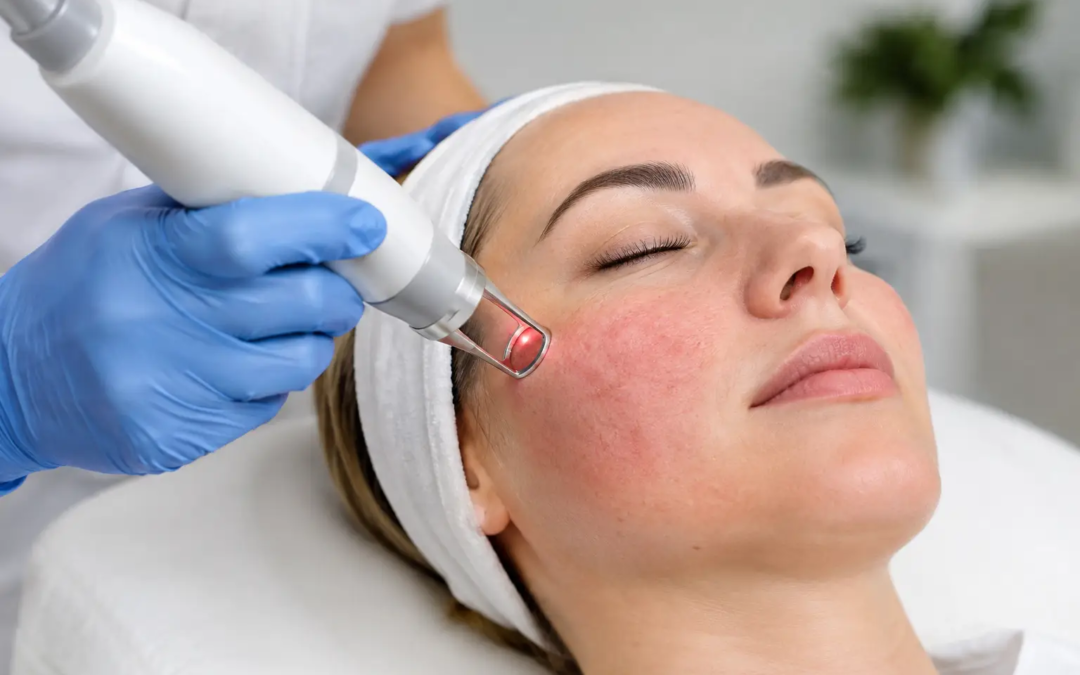
Laser and light treatments target the hemoglobin in visible blood vessels. Hemoglobin is the red pigment in blood, so when carefully selected energy is delivered to the skin, it can heat and diminish tiny superficial vessels without treating the entire face aggressively. Over time, this may reduce persistent redness, broken capillaries, and the flushed appearance that can make skin look irritated even when it feels calm.
Not every rosacea symptom responds the same way. Light-based treatments are often most helpful for erythematotelangiectatic rosacea, the form commonly associated with central facial redness, flushing, and fine visible vessels around the cheeks, nose, and chin. They may also support a more even-looking complexion for some people with mild inflammation.
However, laser treatment is not usually the primary answer for active acne-like bumps and pustules, significant burning, eye symptoms, or a sudden worsening of rosacea. Those concerns may require medical evaluation and prescription care first. A responsible treatment plan may combine professional light therapy with gentle skincare, trigger management, and guidance from a dermatologist when appropriate.
Laser vs. BBL for Rosacea
The word “laser” is often used broadly, but there is a meaningful distinction between laser treatments and intense pulsed light, or IPL. BroadBand Light, commonly known as BBL, is an advanced form of IPL rather than a true laser. Both use light energy, yet they deliver it differently and can be selected for different skin concerns.
For many clients with diffuse redness, carefully customized BBL can be an excellent option. It can address a broader field of redness and may also improve the look of sun-related discoloration that often accompanies years of Florida sun exposure. A vascular laser may be more precise when visible vessels are the primary concern. The best choice depends on your skin tone, the depth and pattern of redness, the presence of pigment, your history of sensitivity, and whether you are currently experiencing a flare.
This is why a consultation should never feel like a one-size-fits-all recommendation. The device, settings, number of passes, and spacing between sessions all affect both comfort and results. A treatment that is too aggressive can aggravate reactive skin, while a carefully calibrated plan can help the skin look calmer and more balanced over time.
What Results Can You Realistically Expect?
Most clients do not leave after one session with every trace of redness gone. Rosacea tends to have a recurring nature, and visible changes are usually gradual. Many people see a reduction in overall redness and flushing after a series of treatments, with continued improvement as the skin settles between appointments.
A personalized series often includes several sessions spaced weeks apart. Some vessels may fade quickly, while diffuse redness can take longer to improve. Maintenance treatments may be recommended because new vessels and redness can return, particularly with ongoing sun exposure, heat, stress, alcohol, spicy foods, exercise, or other personal triggers.
The goal is not to make your skin look artificially blank or overly treated. It is to soften the visible signs of redness so your complexion looks clearer, healthier, and more even. For many people, that means feeling more comfortable leaving the house with less makeup, or feeling less self-conscious after a workout, outdoor event, or warm meal.
What Does Rosacea Laser Treatment Feel Like?
Comfort varies by device and treatment area. Clients often describe brief sensations similar to a warm snap or a rubber-band flick as the energy is delivered. Cooling methods and carefully adjusted settings help make the experience more comfortable, especially on sensitive areas such as the cheeks and nose.
After treatment, the skin may look pink or feel warm, much like a mild sunburn. Some people experience temporary swelling, especially around the cheeks or under-eye area. Treated vessels can darken or become more noticeable before they fade. These reactions are generally temporary, but they should be discussed during your consultation so you know what is normal for your specific treatment.
Downtime is usually limited, although your skin may need a few quiet days. If you have an important event, it is wise to schedule treatment with enough room for any redness to resolve. Your provider can help you plan around travel, weddings, photos, and other occasions when you want your skin looking its best.
Preparing Sensitive Skin for Treatment
Rosacea skin benefits from a calm, consistent approach before and after any energy-based procedure. Your provider may ask you to avoid recent tanning, self-tanner, excessive heat exposure, and irritating exfoliants before your appointment. Depending on your routine, you may also need to pause certain active skincare ingredients for a period of time.
Afterward, gentle care is essential. Use a mild cleanser, a soothing moisturizer, and broad-spectrum sunscreen every day. Avoid hot showers, saunas, intense workouts, and known flushing triggers until the skin has recovered. Do not introduce a new retinol, acid, scrub, or fragranced product just because the skin looks better after treatment. Reactive skin appreciates consistency more than experimentation.
Sun protection deserves special attention in Lighthouse Point and throughout South Florida. UV exposure can worsen redness and contribute to visible vessel changes, even when the weather does not feel especially hot. A daily sunscreen plan is one of the most practical ways to protect the results of your investment.
When Laser May Not Be the Right First Step
A light-based treatment should be postponed if your rosacea is severely flaring, if the skin is broken or infected, or if there is a concern that your redness could be caused by another condition. Certain medications, recent sun exposure, pregnancy considerations, and a history of pigment changes can also influence timing and treatment selection.
Skin tone deserves individualized consideration as well. Some devices and settings carry a higher risk of pigment changes in deeper skin tones when not chosen carefully. This does not automatically rule out treatment. It means your provider should assess your skin, review your history, and select a conservative, appropriate protocol rather than relying on a standard setting.
Be cautious of promises that rosacea can be “cured” in one appointment. Ethical aesthetic care is about measurable improvement, skin safety, and a plan you can maintain – not dramatic claims that ignore how complex rosacea can be.
A Personalized Plan for Calmer-Looking Skin
The most successful rosacea treatment plans consider more than a device. They account for your degree of redness, visible vessels, sensitivity level, skin tone, lifestyle, current products, and goals. Some clients benefit from BBL as part of their skin rejuvenation plan, while others need a more targeted vascular approach or medical management before aesthetic treatment begins.
A consultation gives you space to ask direct questions: What is causing my redness? Is this rosacea, sun damage, or both? How many sessions might I need? What can I do at home to protect my results? Clear answers make it easier to move forward with confidence.
Calmer-looking skin is often built through careful choices rather than aggressive ones. With the right evaluation, realistic expectations, and consistent aftercare, laser or BBL treatment can be a meaningful step toward a complexion that feels more comfortable to live in and more confident to show.