Fine lines, uneven texture, acne scarring, and a tired-looking complexion do not always call for an aggressive procedure. This PRP skin rejuvenation guide explains how platelet-rich plasma can support a fresher, smoother appearance using a concentrated portion of your own blood. It is a thoughtful option for people who want visible skin renewal with minimal downtime and a naturally refreshed result.
PRP is often associated with the Vampire Facial, especially when it is paired with microneedling. While the name gets attention, the treatment itself is grounded in regenerative aesthetics: using platelet-rich plasma to support the skin’s normal repair process. The right approach depends on your skin concerns, your comfort level, and the treatment plan created during a professional consultation.
What Is PRP Skin Rejuvenation?
PRP stands for platelet-rich plasma. Platelets are components of the blood that contain growth factors, proteins involved in the body’s natural healing response. During a PRP facial treatment, a small amount of blood is drawn and placed in a centrifuge. This separates the platelet-rich plasma from other blood components so it can be used during your treatment.
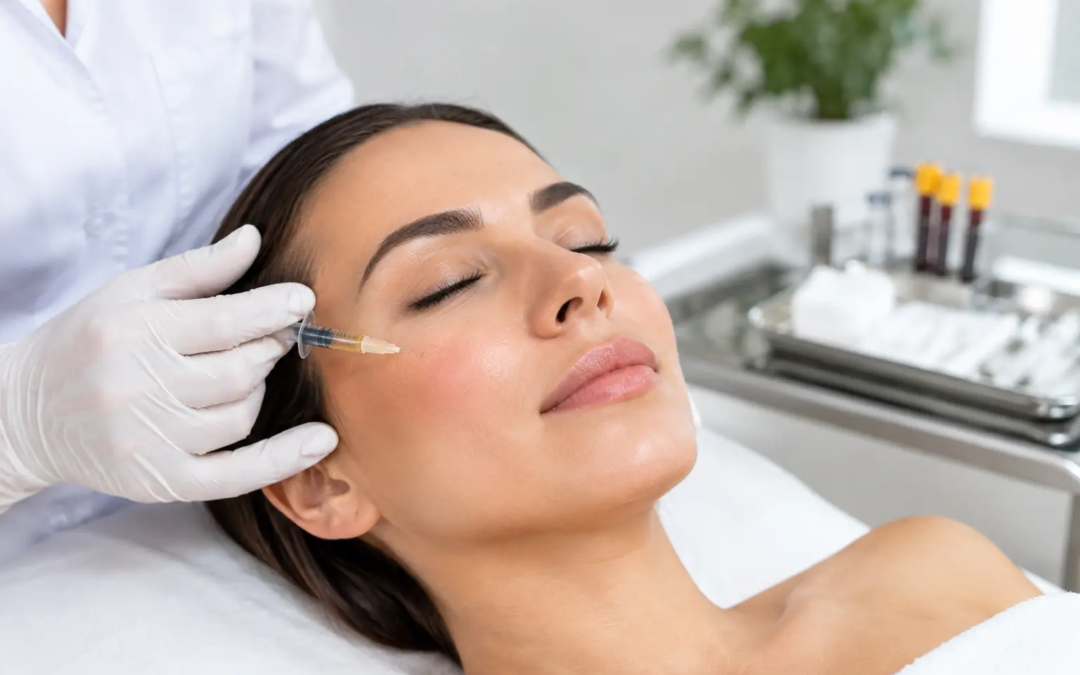
The plasma may be applied to the skin after microneedling or introduced through a series of carefully placed injections, depending on the area being treated and the desired outcome. Microneedling creates controlled microchannels in the skin, allowing PRP to be applied topically as part of the treatment. Injectable PRP is more often considered for targeted concerns, such as crepey texture or volume loss in select areas.
A PRP treatment is not designed to change your features. Its appeal is more subtle and restorative. Over time, it can help support smoother texture, a more even-looking tone, and skin that appears healthier and more resilient.
Why Patients Choose PRP for Skin Renewal
PRP is popular with patients who want to improve skin quality without relying on fillers, surgery, or significant recovery time. Because the treatment uses your own plasma, it is an appealing option for those seeking a more natural approach to rejuvenation.
Results vary, but PRP may be recommended to address early signs of aging, dullness, fine lines, enlarged-looking pores, mild acne scarring, and rough texture. It can be especially valuable when the goal is to improve how the skin looks and feels rather than simply treat one isolated concern.
For some patients, PRP is most effective when combined with SkinPen® microneedling. The combination addresses surface texture while supporting the skin’s renewal process. For others, a different treatment may be a better fit. BroadBand Light can be more appropriate for visible sun damage or discoloration, while chemical peels may be preferred for certain pigment and texture concerns. Personalized recommendations matter because beautiful results begin with treating the actual condition of your skin, not following a trend.
What Happens During a PRP Facial?
A PRP facial appointment generally begins with cleansing and preparation of the skin. A topical numbing cream may be applied before microneedling to help keep you comfortable. While the numbing cream takes effect, your provider draws a small sample of blood, typically from your arm.
The blood is processed in a centrifuge to concentrate the platelet-rich plasma. Once your skin is ready, your provider performs microneedling with a medical-grade device and applies the PRP to the treatment area. The plasma is worked across the skin during the procedure, supporting a customized regenerative treatment experience.
Most appointments take about 60 to 90 minutes, although timing can vary based on whether the face, neck, décolletage, or another area is being treated. You may feel a light vibrating or prickling sensation during microneedling, but numbing cream makes the experience manageable for most patients.
PRP Microneedling Versus PRP Injections
These two approaches use the same platelet-rich plasma but serve different purposes. PRP microneedling is often selected for broad concerns such as texture, pores, fine lines, and overall radiance. The treatment covers larger areas and can be an excellent choice for patients who want comprehensive skin refinement.
PRP injections are more targeted. They may be considered in areas where skin appears thin, crepey, or depleted. Injections involve a different technique and recovery experience, so a consultation is the best place to determine whether this approach is appropriate for you.
Recovery: What Your Skin May Look Like After Treatment
Immediately after PRP microneedling, your skin may appear red and feel warm, similar to a mild to moderate sunburn. Redness commonly improves within one to three days, though sensitivity and light flaking can continue for several days. The degree of redness depends on the depth of the treatment, your skin sensitivity, and whether additional treatments were performed.
For the first day, plan to give your skin a quiet recovery period. Avoid makeup, strenuous workouts, heat exposure, saunas, swimming pools, and direct sun. Your provider will give you specific aftercare instructions, which may include a gentle cleanser, a hydrating serum, and diligent use of sunscreen once appropriate.
Do not use exfoliating acids, retinoids, scrubs, or other potentially irritating active ingredients until your provider says your skin is ready. South Florida sun exposure can be intense, so protecting freshly treated skin is essential for both comfort and results. A wide-brimmed hat and consistent sun protection are practical parts of post-treatment care, not an afterthought.
When Will You See Results?
Many patients notice an early glow once initial redness has settled. However, PRP skin rejuvenation is a gradual process. As the skin continues its natural renewal cycle, improvements in smoothness, texture, and overall luminosity may become more noticeable over the following weeks.
A single treatment can provide a meaningful refresh, particularly before an event when planned well in advance. Still, a series of treatments is commonly recommended for concerns such as acne scarring, more pronounced texture changes, or ongoing collagen support. Your ideal schedule depends on your skin goals, the condition of your skin, and the treatments you may be combining with PRP.
Maintenance is equally personal. Some patients schedule periodic treatments as part of a long-term skin health plan, while others use PRP strategically after sun exposure, during seasonal skincare transitions, or when their complexion needs renewed support.
Who Is a Good Candidate for PRP?
Healthy adults who want gradual, natural-looking skin improvement are often good candidates for PRP. It may be particularly appealing if you prefer to avoid synthetic injectables or are focused on texture and radiance rather than dramatic facial reshaping.
That said, PRP is not right for everyone. Certain blood disorders, active skin infections, uncontrolled medical conditions, pregnancy considerations, and the use of some medications may affect candidacy. Patients with active inflammatory acne may need to stabilize breakouts before microneedling. A thorough health history and skin evaluation are essential before treatment.
Expectations also matter. PRP can improve the quality of the skin, but it will not erase deep wrinkles, severe laxity, or significant volume loss on its own. Ethical aesthetic care means being clear about those limits. In some cases, a treatment plan that combines PRP with microneedling, laser-based care, peels, or skin-tightening technology may offer a more complete result.
Choosing a Personalized PRP Treatment Plan
The quality of a PRP treatment is about more than the plasma itself. Proper blood processing, medical-grade technique, treatment depth, sterile protocols, and thoughtful aftercare all influence the experience. So does the provider’s ability to evaluate your skin honestly and recommend only what serves your goals.
At Medical Advanced Skin Care, PRP treatments are approached as part of personalized, non-surgical skin rejuvenation. Your consultation should feel informative, comfortable, and unhurried, with room to discuss your concerns, lifestyle, and desired level of change.
The best time to consider PRP is not when you feel pressured to fix everything at once. It is when you are ready to invest in healthier-looking skin with a plan that respects your features, your timeline, and your confidence. A professional consultation can help you decide whether PRP is the right next step for skin that looks rested, refined, and authentically yours.