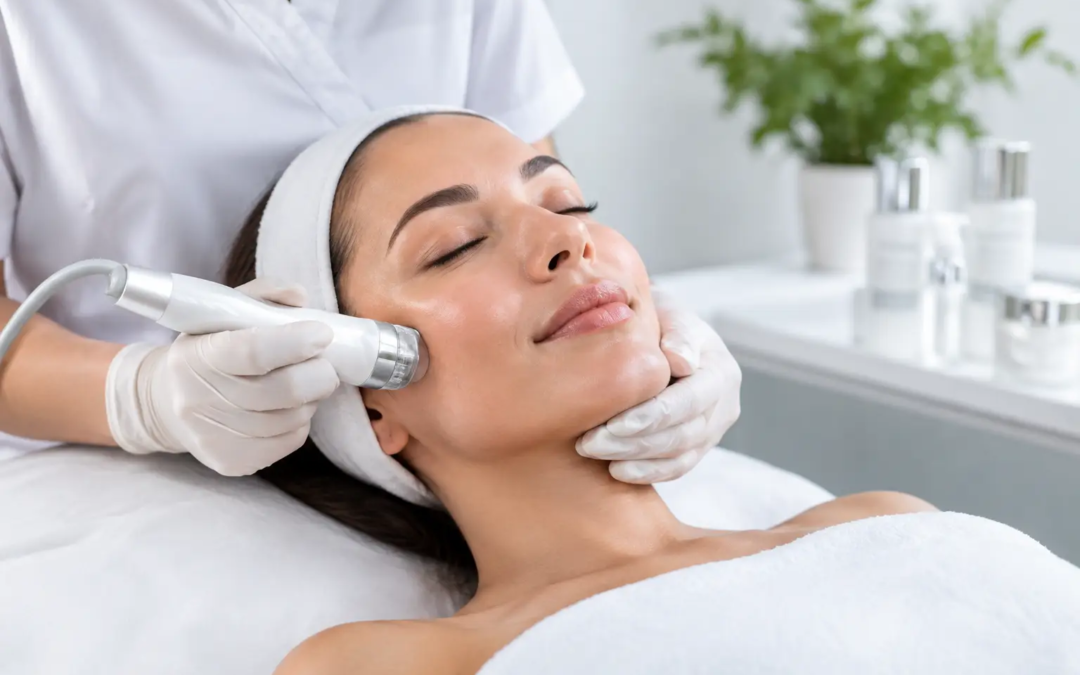
A facial can leave skin feeling polished for an afternoon. Medical grade skincare treatments are designed to go further, using clinically informed protocols and advanced technology to address the concerns that keep returning in the mirror: stubborn pigment, acne marks, uneven texture, fine lines, facial redness, and loss of firmness. The difference is not simply a stronger treatment. It is the careful match between your skin, your goals, your lifestyle, and the right level of correction.
At Medical Advanced Skin Care in Lighthouse Point, that personalized approach matters. Beautiful results should look like healthy, rested, confident skin – never like someone else’s face or someone else’s treatment plan.
What medical grade skincare treatments actually mean
Medical grade skincare treatments are professional services performed with advanced devices, professional-strength formulations, or techniques that require clinical knowledge and thoughtful screening. They are not interchangeable with an at-home mask, a retail exfoliant, or a one-size-fits-all spa menu.
That does not mean every treatment has to involve significant downtime. Many options are non-surgical and can be tailored from gentle maintenance to more corrective care. What makes them medical-grade is the level of assessment, the quality of the technology and products used, and the provider’s ability to choose settings, depth, timing, and aftercare based on the individual in front of them.
For example, two people may both ask for brighter skin. One may need careful pigment correction after years of South Florida sun exposure. Another may be dealing with dehydration, dull surface buildup, or post-acne discoloration. Treating both concerns the same way can lead to underwhelming results or unnecessary irritation. A proper consultation separates the symptom from its cause.
The concerns advanced treatments can address
Professional skin rejuvenation is not about chasing perfection. It is about improving the health and appearance of skin in a measured way. The best treatment plan starts with what is most visible to you and what will make the greatest difference in your daily confidence.
Texture, clogged pores, and dullness
When skin feels rough, makeup settles unevenly, or pores appear congested, surface renewal can make a meaningful difference. HydraFacial® treatments, dermaplaning, oxygen facials, microdermabrasion, and carefully selected chemical peels can remove buildup while delivering hydration and restoring a smoother finish.
The right choice depends on sensitivity, active acne, skin barrier health, and upcoming events. Dermaplaning can create an immediately smooth canvas, while a peel may be more appropriate when discoloration or acne-related congestion is also a concern. A gentle approach is often the better approach for skin that is reactive or over-exfoliated from home products.
Acne scars, enlarged pores, and fine lines
SkinPen® microneedling and PRP-based treatments support the skin’s natural repair response, helping improve the appearance of textural irregularities, visible pores, and fine lines over a series of sessions. These treatments are especially valuable for clients who want gradual, natural-looking refinement without surgery.
Results build over time because collagen remodeling takes time. That trade-off is worth understanding before treatment: subtle early improvement may be visible first, while more meaningful changes develop over the following weeks and months. Consistency and proper post-treatment care have a direct impact on the final outcome.
Sun damage, redness, and uneven pigment
Florida sunshine is part of the lifestyle, but cumulative UV exposure can show up as brown spots, blotchy tone, redness, broken capillaries, and a weathered appearance. BroadBand Light, or BBL™, and laser-based treatments can target certain types of unwanted pigment and redness with a level of precision that topical products alone may not achieve.
Not every dark spot should be treated with the same device or setting. Melasma, sunspots, post-inflammatory hyperpigmentation, and freckles behave differently. Skin tone, tanning history, medications, and recent sun exposure also matter. This is why honest screening is essential, particularly for clients who spend time outdoors or have an upcoming beach vacation.
Laxity and loss of definition
As collagen production changes, the face and neck can begin to look less firm even when the skin itself is clear. Ultraformer III skin tightening uses focused ultrasound technology to support a firmer-looking appearance without surgery. It can be a thoughtful option for clients who want a refreshed look but are not ready for invasive procedures.
Non-surgical tightening is not a replacement for a surgical facelift, and an ethical provider will be clear about that. It is best suited for mild to moderate laxity and clients who appreciate progressive, natural-looking improvement. The goal is refinement, not an overdone result.
Why personalization matters more than the trend
A treatment that performs beautifully for a friend may not be right for your skin. Social media can make aesthetic care look simple: choose the newest device, book one session, and expect a dramatic transformation. In real life, skin has a history. It responds to hormones, stress, sun exposure, prior treatments, skin conditions, and the products used at home.
An individualized plan considers your primary concern, but it also considers your tolerance for downtime, budget, schedule, and comfort level. Some clients prefer a series of lighter treatments with little interruption to their routine. Others are willing to plan for peeling or temporary redness in exchange for a more corrective approach. Neither choice is better. The right choice is the one that respects your skin and fits your life.
This is also where treatment combinations can be valuable. A client focused on acne scarring may benefit from microneedling alongside a thoughtful home regimen. Someone with dullness and pigment may alternate a chemical peel with BBL™ treatments, depending on skin response and seasonal sun exposure. Strategic care creates better results than trying to do everything at once.
Preparing for a better outcome
The appointment begins before you arrive. Share your complete health history, including medications, allergies, recent cosmetic treatments, history of cold sores, and any tendency toward prolonged pigmentation or scarring. This information helps your provider determine whether a treatment is appropriate and how to perform it safely.
In the days before a procedure, you may be asked to pause certain active ingredients, avoid tanning, or reschedule if your skin is irritated. Follow those instructions closely. Retinol, exfoliating acids, waxing, and excessive sun exposure can affect how the skin responds, especially before peels, laser treatments, or microneedling.
Aftercare deserves the same attention. Skin may need a temporary break from heat, workouts, active skincare ingredients, or direct sun, depending on the service. Gentle cleansing, hydration, and diligent broad-spectrum sunscreen are not optional extras. They protect your investment and help preserve the clarity, even tone, and smoothness you worked to achieve.
What visible, lasting results look like
The most satisfying results rarely look dramatic in a single day. They look like skin that is clearer, smoother, more even, and more resilient over time. Your foundation may apply more evenly. You may feel comfortable leaving the house with less makeup. You may stop noticing the concern that once drew your attention every morning.
Maintenance is part of that progress. Sun protection, quality home care, and periodic professional treatments help protect the gains made in the treatment room. Skin continues to change with age, environment, and lifestyle, so a plan should be reassessed as your needs evolve.
If you are considering medical grade skincare treatments, start with a consultation rather than a guess. A thoughtful conversation can clarify what is realistic, what is worth prioritizing, and which path will help you feel most confident in your own skin.