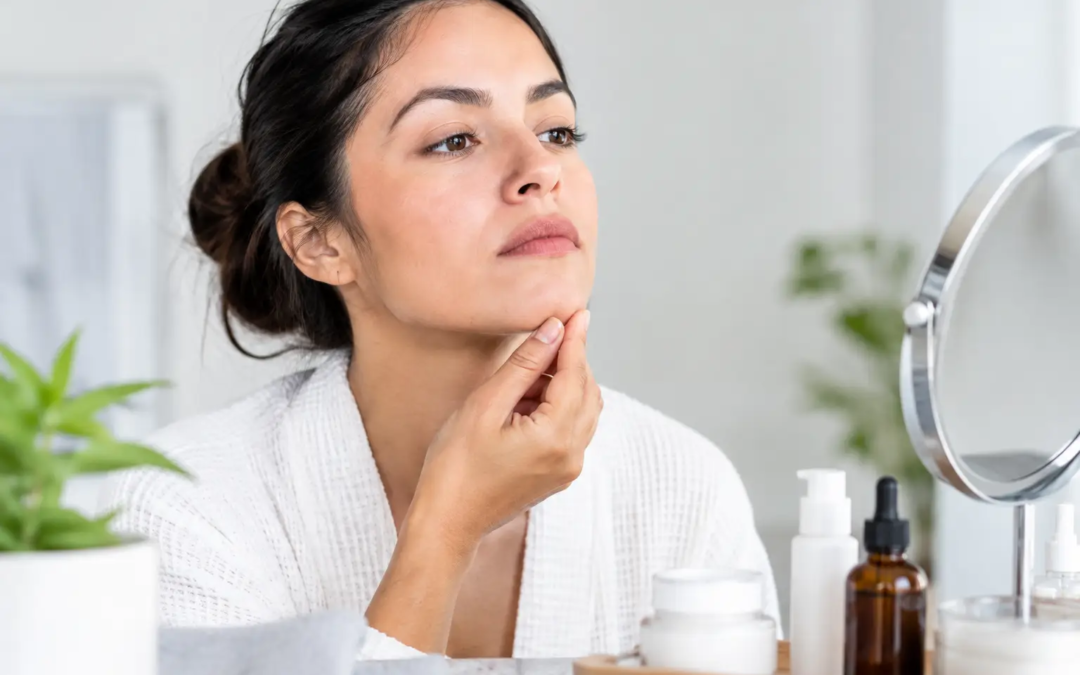
A few stray chin hairs can quickly become a daily cycle of checking the mirror, tweezing, and feeling like they are back before you have had a chance to forget them. If you are asking what treats stubborn chin hair, the most effective answer depends on the hair’s color, thickness, density, and the hormonal factors that may be contributing to it. A personalized approach matters because chin hair is often coarser, more persistent, and more reactive to hormones than hair on other areas of the face.
For many people, shaving or plucking solves the immediate problem but does little to reduce the long-term frustration. Professional hair removal options can create a smoother, more polished look while helping you spend less time managing unwanted growth.
Why chin hair can be so persistent
Chin and jawline hair is commonly influenced by androgens, a group of hormones present in all bodies. Changes related to age, genetics, perimenopause, menopause, certain medications, or conditions such as polycystic ovary syndrome can make facial hair darker, thicker, or more noticeable. Sometimes, it is simply a family trait.
This hormonal influence is why chin hair can behave differently from leg or underarm hair. A follicle that has been tweezed repeatedly may also become more noticeable over time because the regrowth feels coarse, even though plucking itself does not create new follicles.
If chin hair appears suddenly, becomes rapidly heavier, or occurs alongside irregular periods, new acne, scalp hair thinning, or other body changes, speak with your primary care provider, gynecologist, or endocrinologist. Aesthetic treatment can address the visible hair, while medical evaluation can help identify a possible underlying cause.
What treats stubborn chin hair most effectively?
For dark, coarse chin hair, laser hair removal is often the leading option for long-term reduction. It uses targeted light energy to heat pigment within the hair follicle, disrupting its ability to produce new hair. Because facial hair grows in cycles, a series of treatments is needed to reach hairs during their active growth phase.
Laser hair removal is not a one-size-fits-all treatment. The device, settings, treatment spacing, and skin preparation should be selected carefully based on your skin tone and hair characteristics. This is especially important in sunny South Florida, where recent sun exposure can affect treatment timing and safety. At Medical Advanced Skin Care, treatment planning begins with an individualized assessment, so the approach supports both effective reduction and healthy-looking skin.
Most clients notice that treated chin hair grows in more slowly and feels finer over time. Results vary, and hormonal facial hair may require occasional maintenance sessions. That is not a failure of treatment. It reflects the reality that new hormone-sensitive follicles can become active later, particularly through midlife hormonal shifts.
Laser hair removal: best for pigmented hair
Laser treatments are generally most responsive when hair has enough pigment for the laser to recognize. Dark brown or black hairs tend to respond especially well. Coarse hairs often respond better than soft fuzz because they contain more pigment and have a stronger follicle structure.
A common misconception is that laser hair removal must remove every hair forever to be worthwhile. In practice, meaningful hair reduction can transform a daily grooming concern into a minor maintenance need. Many people appreciate fewer ingrown hairs, less shadow along the chin, and smoother skin between appointments.
For the best treatment experience, avoid waxing, threading, and tweezing before laser sessions because these methods remove the hair root the laser needs to target. Shaving or carefully trimming is usually preferred before treatment, according to your provider’s instructions.
Electrolysis: best for light or isolated hairs
Electrolysis treats one follicle at a time with a very fine probe and electrical current. Unlike laser hair removal, it does not rely on hair pigment. That makes it a valuable option for white, gray, blond, red, or very fine hairs that may not respond well to laser energy.
It can also be an excellent finishing treatment after laser hair removal has reduced the bulk of dark chin hair. The trade-off is time. Since every follicle is treated individually, electrolysis is typically slower for a dense area of growth. For a few stubborn hairs, however, the precision can be worth it.
Temporary methods: useful, but not corrective
Shaving, facial trimming, depilatory creams, waxing, threading, and tweezing can all remove visible hair temporarily. These methods may be appropriate if you need immediate results, are not ready for a treatment series, or have hair that is unsuitable for laser.
Still, they come with trade-offs. Tweezing and waxing can cause irritation, folliculitis, discoloration, or ingrown hairs, particularly on sensitive facial skin. Depilatory creams can irritate or burn the skin if left on too long, so a patch test is essential. Dermaplaning can remove fine surface hair and exfoliate the skin, but it is not designed to treat coarse, hormonally driven chin hair at the follicle level.
Choosing between laser and electrolysis
The right choice often comes down to what you see in the mirror. If your concern is a cluster of dark, coarse hairs along the chin or jawline, laser hair removal may offer the most efficient path to broad reduction. If the hairs are pale, gray, or scattered, electrolysis is more likely to be the better fit.
Some clients benefit from both. Laser can reduce the overall density of dark hair, then electrolysis can address the remaining light or isolated hairs. This combination can be especially helpful when the goal is a clean, refined finish rather than simply less hair.
Skin tone also influences treatment planning. Experienced providers choose appropriate technology and conservative, personalized settings to protect the skin while targeting the hair effectively. This is not an area to treat casually with an at-home device or an overly aggressive setting. Facial skin is highly visible, and preserving its even tone and comfort should be part of every plan.
How to support better chin hair removal results
Consistency is more valuable than chasing an instant fix. Keep appointments on the recommended schedule, since each session is timed to catch a new group of follicles in the active growth stage. Do not judge final results after one treatment.
Between sessions, protect the area from sun exposure with daily broad-spectrum sunscreen and follow aftercare instructions closely. Skin can be temporarily sensitive after professional hair removal, and unnecessary heat, friction, exfoliation, or active skincare ingredients may cause irritation. Your provider can tell you when to resume retinoids, acids, scrubs, or other home products.
It also helps to set realistic expectations. Hair reduction is a process, not a single appointment. Hormonal hair, in particular, may need touch-ups over time. The reward is not just less visible growth. It is the freedom of a more predictable routine and the confidence of skin that feels smoother and easier to care for.
Questions clients often ask
Will shaving make chin hair grow back thicker?
No. Shaving cuts the hair at the surface, creating a blunt tip that can feel stubbly as it grows out. It does not change the number of follicles or make the hair biologically thicker or darker.
Can laser hair removal treat facial peach fuzz?
Fine, light facial fuzz is usually not the ideal target for laser hair removal. It contains less pigment and may not respond predictably. A consultation helps distinguish between treatable coarse hair and delicate vellus hair that is better left alone or managed with another option.
How many sessions will I need?
The number varies with hair density, color, growth cycle, skin tone, and hormonal influence. A series is standard for laser hair removal, followed by maintenance when needed. Your treatment plan should reflect your response rather than make unrealistic promises.
Stubborn chin hair does not have to dictate your morning routine. The most reassuring next step is a thoughtful consultation that looks at your hair, skin, goals, and health history together – then builds a treatment plan that feels comfortable, realistic, and designed for lasting confidence.