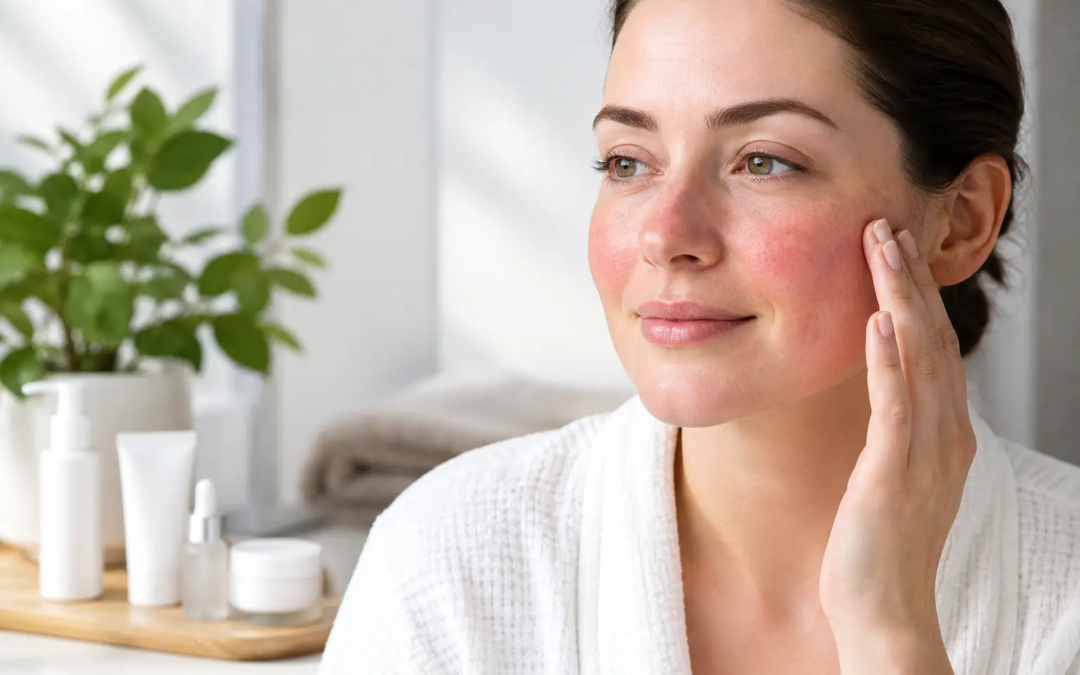
Rosacea can make skin feel unpredictable. One week, your complexion may look calm. The next, persistent flushing, visible vessels, sensitivity, or acne-like bumps can leave you wondering which products and treatments are safe to try. This rosacea treatment options list is designed to make the choices clearer, with an emphasis on thoughtful care rather than aggressive routines.
Rosacea is a chronic inflammatory skin condition, which means the goal is usually management, not a one-time cure. The right plan depends on your symptoms, skin tone, triggers, medical history, and how reactive your skin is. For many people, the best results come from pairing dermatologist-guided care with a gentle home routine and carefully selected in-office treatments.
Start With a Proper Rosacea Assessment
Rosacea is often mistaken for acne, sun damage, eczema, or simple sensitivity. Yet treatment can differ dramatically depending on whether your main concern is flushing, fixed redness, broken capillaries, bumps and pustules, texture changes, or eye irritation.
A qualified medical professional can help identify the pattern before you spend money on products that may worsen irritation. This step is particularly valuable if you are experiencing burning, stinging, swelling, eye dryness, gritty eyes, or changes in vision. Ocular symptoms need prompt evaluation by a medical provider or eye specialist.
Your treatment plan should also account for lifestyle triggers. Heat, South Florida sun exposure, humidity, alcohol, spicy foods, stress, intense workouts, and certain skincare ingredients can all contribute to flare-ups. Triggers are personal, so a simple journal can reveal patterns without requiring you to eliminate everything at once.
A Rosacea Treatment Options List for Everyday Care
Gentle cleanser and barrier-supporting moisturizer
A calm routine is not basic skincare. It is the foundation that helps reactive skin tolerate treatment and maintain a more comfortable, balanced appearance. Choose a mild, fragrance-free cleanser and use lukewarm water rather than hot water. Avoid scrubbing, cleansing brushes, rough washcloths, and frequent exfoliation.
Follow with a moisturizer that supports the skin barrier. Look for formulas designed for sensitive skin and free from common irritants such as strong fragrance, drying alcohols, or essential oils. Even oily or acne-prone rosacea skin often benefits from appropriate hydration, since dryness can intensify sensitivity and visible redness.
Daily broad-spectrum sunscreen
Ultraviolet exposure is one of the most common rosacea triggers, especially in sunny climates. Daily broad-spectrum SPF 30 or higher is essential for preserving treatment results and reducing the cycle of redness and inflammation.
Mineral sunscreens containing zinc oxide or titanium dioxide are often well tolerated by sensitive skin. Tinted options can offer a polished, more even-looking complexion while helping protect against visible light, which may be relevant for people who also struggle with discoloration.
Prescription topical medications
Topical prescription treatment may be recommended when rosacea involves persistent inflammation or acne-like bumps. Depending on the presentation, a medical provider may prescribe azelaic acid, metronidazole, ivermectin, or other anti-inflammatory therapies.
For temporary reduction of facial redness, some patients are candidates for prescription vasoconstrictor creams or gels such as brimonidine or oxymetazoline. These products can lessen the appearance of redness for a period of time, but they are not the right choice for everyone. Some skin can react with rebound redness, so professional guidance matters.
Oral medication for inflammatory flare-ups
When bumps, pustules, or more significant inflammation do not respond adequately to topical care, a dermatologist may recommend oral medication. Low-dose doxycycline is commonly used for its anti-inflammatory benefits rather than as a long-term acne solution.
Oral treatment can be helpful during active flare-ups, but it should be managed by a prescribing clinician who can review your health history, medications, sun sensitivity, and treatment timeline. It is usually one part of a broader maintenance plan, not a replacement for gentle skincare and trigger management.
In-Office Options for Redness and Visible Vessels
Persistent redness and visible facial vessels often need more than home care. Skincare can support the barrier and reduce irritation, but it cannot always address dilated blood vessels that remain visible beneath the skin.
Light-based treatments
Intense pulsed light and BroadBand Light, often called BBL, may help improve the appearance of diffuse redness, flushing, and visible vessels for appropriate candidates. These treatments deliver controlled light energy to targeted areas, with a series of sessions often recommended for gradual, natural-looking improvement.
The trade-off is that light-based care requires skilled treatment planning. Rosacea-prone skin can be reactive, and settings, timing, skin tone, recent sun exposure, and current flare activity all matter. Treatment should never be approached as a one-size-fits-all facial. A personalized consultation helps determine whether BBL or another light-based option is appropriate and when the skin is calm enough to proceed.
Vascular laser treatment
For more defined broken capillaries or concentrated redness, a vascular laser may be recommended by a qualified medical provider. These treatments specifically target blood vessels and can be highly effective, though results vary with the depth and number of vessels.
Temporary redness, swelling, or sensitivity can occur after treatment. Planning around social events, sun exposure, and your skin’s recovery needs helps make the experience more comfortable and protects your investment.
Treatments to Approach Carefully
Rosacea does not mean professional skincare is off-limits. It does mean that your skin deserves a more intentional approach. Strong chemical peels, abrasive scrubs, microdermabrasion, fragranced facials, steam-heavy treatments, and high-heat devices may provoke a flare in some people, particularly when redness and stinging are active.
That does not automatically rule out every exfoliating or rejuvenating treatment. It means the timing, formula, depth, and technique must be individualized. Someone with stable rosacea and texture concerns may tolerate a very gentle, professionally selected treatment, while someone in the middle of a flare may benefit more from barrier repair and calming care first.
Be cautious with popular active ingredients as well. Retinoids, vitamin C, alpha hydroxy acids, beta hydroxy acids, and benzoyl peroxide can be valuable for certain skin concerns, but they can also trigger burning and redness when introduced too quickly. If a provider recommends an active, start slowly and change only one product at a time.
How to Build a Long-Term Rosacea Plan
The most effective rosacea care is often less about doing more and more about staying consistent. Keep your routine simple enough to follow: a gentle cleanser, barrier-supporting moisturizer, daily sunscreen, and prescribed medication when indicated. Once your skin is stable, targeted in-office care can address the visible concerns that products alone cannot change.
Photos can be helpful for tracking progress because day-to-day redness varies with weather, stress, and activity. Take images in the same lighting every few weeks and note flare triggers. This gives your provider a clearer picture of what is improving and what may need adjustment.
A customized consultation at Medical Advanced Skin Care can help determine whether your redness may benefit from a conservative skincare plan, advanced light-based treatment, or coordination with a dermatologist. The priority should always be healthier-feeling skin and results that look like you, only calmer, more even, and more confident.
Rosacea may require patience, but it does not require guesswork. With the right clinical guidance and a routine that respects your skin’s limits, clearer-looking, more comfortable skin can become a realistic part of your long-term care.