A scar can feel like more than a change in texture or color. It may be the lingering reminder of acne, an injury, or a procedure that healed differently than expected. So, can chemical peels fade scars? In many cases, they can soften the visible signs of certain scars, especially discoloration and mild surface irregularities. The right answer, however, depends on the type of scar, your skin tone, your goals, and the peel selected for your skin.
At Medical Advanced Skin Care, treatment planning begins with an honest assessment of what a peel can improve and where another approach may deliver a better result. Clinical beauty is not about promising perfection. It is about choosing treatments that support healthier, smoother-looking skin safely and thoughtfully.
Can Chemical Peels Fade Scars or Just Dark Marks?
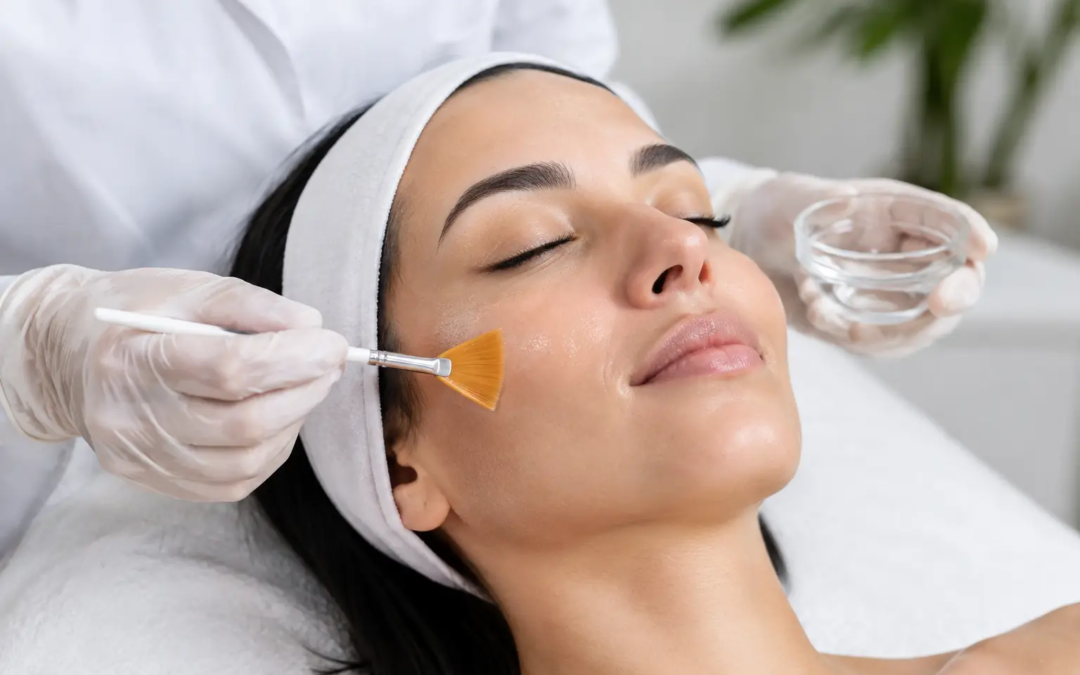
Chemical peels use carefully selected acids to exfoliate the skin at a controlled depth. As older, damaged surface cells shed, the skin begins its natural renewal process. Over a series of treatments, this can improve brightness, encourage a more even tone, and refine the look of mild texture concerns.
Peels tend to be most effective for post-inflammatory hyperpigmentation, which is the flat brown, red, or purple discoloration that can remain after a breakout heals. These marks are often called acne scars, but they are not true scars in the structural sense. Because they sit at the skin’s surface, they often respond beautifully to professionally selected exfoliating treatments and consistent sun protection.
True acne scars are different. Depressed scars, such as boxcar, rolling, or ice-pick scars, are created when inflammation damages deeper collagen. A chemical peel may make shallow scars look softer by improving the surrounding skin texture, but it cannot fully lift a deep indentation on its own. Raised scars, including hypertrophic scars and keloids, require even more caution and should be evaluated individually before any resurfacing treatment.
The distinction matters because it shapes expectations. A peel can be a meaningful part of scar revision, but it is not a one-treatment solution for every scar type.
Which Scars Respond Best to Chemical Peels?
The best candidates are usually clients with uneven tone after acne, mild roughness, fine textural changes, or shallow, widespread acne scarring. Chemical peels can also help refresh dull skin around old scars, making the overall complexion look more polished and balanced.
Superficial peels work within the uppermost layers of skin. They are often used for mild discoloration, acne congestion, and early signs of texture change. These treatments typically involve minimal downtime, although light flaking, dryness, or temporary tightness can occur.
Medium-depth peels penetrate further and may create more noticeable improvement in pigment and texture. They also involve more peeling, redness, and recovery time. A deeper treatment is not automatically a better treatment. The ideal peel is the one that produces visible progress while respecting your skin’s barrier, history, and ability to heal well.
For deeper pitted acne scars, options such as SkinPen microneedling may be recommended alongside or instead of a peel. Microneedling supports collagen remodeling beneath the surface, which makes it particularly valuable for scars that need more than exfoliation. In some cases, a carefully timed combination plan creates a more refined result than repeating one modality alone.
The Role of Skin Tone and Pigment Safety
South Florida sunshine can make pigmentation concerns more persistent, particularly when skin is not protected consistently after treatment. It also makes professional guidance essential. When chemical peels are selected or performed too aggressively, irritation can trigger more post-inflammatory hyperpigmentation, especially in melanin-rich skin.
A personalized protocol considers your Fitzpatrick skin type, history of discoloration, active acne, sensitivity, current skincare products, and recent sun exposure. Pretreating the skin with the right home-care routine may be appropriate before a peel, while post-treatment care helps protect the investment you make in your skin.
Sun protection is non-negotiable after a peel. Freshly treated skin is more vulnerable to UV exposure, and even a short period in strong sun can compromise results. Daily broad-spectrum SPF, hats, shade, and a pause on intentional tanning help the skin heal evenly and preserve the clarity you are working toward.
What Results Can You Realistically Expect?
Most clients notice that their skin looks brighter and feels smoother after a series of well-planned peels. Dark marks may gradually fade, acne-related congestion may improve, and makeup can sit more evenly on the skin. Scar texture usually changes more slowly because collagen remodeling takes time.
The treatment schedule depends on the peel and your skin’s response. A series may be spaced several weeks apart, allowing the skin to recover fully between appointments. Progress is often subtle from one visit to the next but becomes more apparent in photographs and in the way the skin reflects light over time.
Results also depend on what happens between visits. Picking at blemishes, skipping sunscreen, using harsh exfoliants too soon, or changing products repeatedly can prolong inflammation and work against your treatment plan. Consistency with medical-grade home care gives professional treatments a stronger foundation.
A realistic goal is improvement, not erased history. The most successful scar treatments make the skin look calmer, smoother, more even, and more confident without over-treating it.
When a Chemical Peel May Not Be the Right Choice
Chemical peels are not ideal for every skin concern or every moment in your skin journey. Active irritation, open lesions, a compromised skin barrier, a current cold sore outbreak, or recent use of certain prescription medications may mean treatment should be postponed. Clients prone to keloids or significant pigment changes need individualized guidance before resurfacing procedures.
It is also wise to pause and reassess if your primary concern is deep, sharply defined scarring. A peel may still support overall tone and texture, but treatments that target collagen more directly may offer a better return on your time and investment. Ethical aesthetic care means recommending the approach that fits your skin, rather than trying to make one treatment solve every concern.
Can chemical peels remove acne scars permanently?
Chemical peels can improve the appearance of mild scars and fade the discoloration left after acne, but they do not permanently remove every type of acne scar. Deep indented scars usually need collagen-stimulating treatments or a customized combination plan.
How many chemical peels are needed for scars?
Many people benefit from a series, rather than a single peel. The number depends on the depth of the peel, the type of scarring, your skin’s sensitivity, and how your skin responds during treatment. Your provider can recommend an appropriate schedule after evaluating your complexion in person.
Will my skin peel after treatment?
Not always. Some peels create visible flaking, while others cause little to no peeling. Visible shedding is not the only sign that a treatment is working. Skin renewal can occur even when recovery is subtle.
If scars or dark marks are affecting how you feel when you look in the mirror, the next step is not choosing the strongest peel. It is choosing a thoughtful plan that respects your skin, your lifestyle, and the healthy, refreshed results you want to see over time.