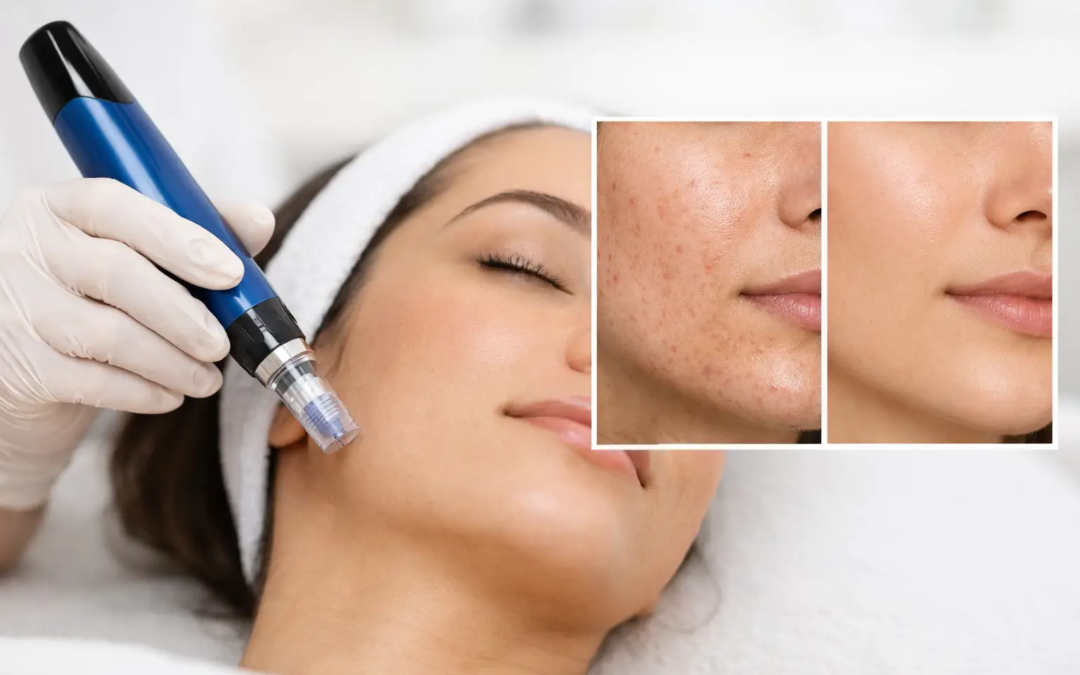
Acne scars have a way of lingering long after breakouts are gone. For many patients, the concern is not active acne anymore – it is the uneven texture, shallow dents, and visible reminders that makeup cannot fully soften. That is where skinpen microneedling acne scars treatment can make a meaningful difference, especially when the goal is smoother skin without surgery or extended downtime.
Skin texture is personal. Two people can both say they have acne scarring and need very different treatment plans. Some scars are more superficial and respond well to collagen stimulation alone. Others are deeper, tethered, or paired with discoloration, which means results often depend on the scar type, your skin condition, and how consistent you are with a professionally guided series.
How SkinPen microneedling helps acne scars
SkinPen is a medical-grade microneedling device designed to create controlled micro-injuries in the skin. That sounds technical, but the goal is simple – to encourage your skin to repair itself by producing fresh collagen and elastin. As that remodeling process happens over time, acne scars can look softer, smoother, and less sharply defined.
This is one of the reasons microneedling remains such a trusted option for textural concerns. It works with your skin’s natural healing response rather than masking the surface. For patients who want visible improvement with a non-surgical approach, that balance often feels right.
SkinPen is especially appealing because it is precise and customizable. Depth can be adjusted based on the treatment area and the severity of scarring. That matters, because acne scars on the cheeks may require a different approach than isolated marks on the forehead or jawline.
What kind of acne scars respond best?
Not every scar behaves the same way. SkinPen microneedling acne scars treatment tends to work best for atrophic scars, which are the indented scars often described as rolling or boxcar in appearance. These are the scars created when inflammation damages collagen during the breakout process.
Rolling scars often respond well because the skin can look smoother as new collagen develops beneath the surface. Shallow boxcar scars may also improve nicely over a series of treatments. Ice pick scars can be more challenging. Because they are narrow and deeper, they may need a combination approach rather than microneedling alone.
That is why an honest consultation matters. A skilled provider should look at scar depth, pattern, skin tone, active breakouts, and your overall skin goals before recommending treatment. Ethical care is not about promising perfection. It is about identifying where improvement is realistic and building a plan around that.
What to expect during a SkinPen microneedling acne scars session
The treatment itself is usually straightforward. Your skin is cleansed first, and a topical numbing cream is typically applied to keep you comfortable. Once the skin is prepped, the SkinPen device is passed across the treatment area in a controlled pattern.
Most patients describe the sensation as tolerable, especially with numbing. Areas with thinner skin can feel more sensitive, and treatments for acne scars are often performed at depths that are more corrective than a light cosmetic refresh. You may feel vibration, pressure, and a sandpaper-like sensation as the device moves across the skin.
After treatment, the skin usually looks pink to red, similar to a moderate sunburn. There can also be tightness, warmth, and mild swelling for the first day or two. Many patients return to normal activities quickly, but the skin still needs proper aftercare and sun protection while it heals.
When you will see results
One of the most important parts of setting expectations is understanding that microneedling is not instant. You may notice an early glow as the skin recovers, but scar improvement happens gradually as collagen remodeling develops over several weeks.
Most patients need a series, not a single visit. Depending on the severity of scarring, three to six sessions is common, sometimes more for deeper or long-standing texture concerns. Treatments are usually spaced several weeks apart so the skin has time to heal and rebuild.
Results are cumulative. That means each appointment builds on the one before it. For patients used to quick-fix promises, this can require patience. The trade-off is that the improvement tends to look natural because it comes from healthier skin structure rather than temporary camouflage.
Why personalization matters with SkinPen microneedling acne scars treatment
A luxury skincare experience should still be medically thoughtful. That is particularly true with acne scarring, where overtreating, undertreating, or using the wrong modality can leave patients disappointed.
Personalization starts with diagnosis. Are the scars truly textural, or is post-inflammatory redness or pigmentation making them look worse? Is there still active acne that needs to be controlled first? Is the skin barrier compromised from harsh home care or too many treatments too close together? These details shape outcomes.
In a clinical setting, treatment can be tailored not only in depth but in timing and supporting care. Some patients benefit from combining microneedling with a broader skin renewal plan that addresses tone, congestion, or lingering inflammation. Others are best served by keeping the focus narrow and treating scars methodically over time.
At Medical Advanced Skin Care, that kind of individualized planning is part of what makes treatment feel both elevated and reassuring. Patients are not pushed into a one-size-fits-all package. They are guided toward the most appropriate path for their skin.
Is SkinPen safe for all skin tones?
This is a smart question, especially in South Florida, where sun exposure is part of daily life and many patients have richly melanated or easily tanning skin. SkinPen microneedling is often considered a strong option across a range of skin tones because it does not rely on heat in the same way some resurfacing treatments do.
That said, safe treatment is never just about the device. It is also about timing, technique, aftercare, and sun behavior. If your skin is freshly sunburned, actively breaking out, or dealing with irritation, treatment may need to be postponed. If you are prone to post-inflammatory hyperpigmentation, your provider may adjust the plan and home care to reduce unnecessary risk.
This is another reason expert evaluation matters. A polished treatment room is not enough. You want clinical judgment behind every recommendation.
How to support better results after treatment
Aftercare can influence both comfort and outcome. Freshly treated skin is more vulnerable, so it is best to keep things gentle. That usually means avoiding exfoliants, acids, retinoids, heavy sweating, and direct sun exposure for the period your provider recommends.
Hydration matters. So does using only approved post-treatment products while the skin barrier settles. Picking, scrubbing, or trying to speed up exfoliation at home can create setbacks. The skin needs calm support, not extra stimulation.
Sun protection is non-negotiable. When the goal is smoother, clearer-looking skin, unprotected UV exposure can work against your investment. In South Florida especially, thoughtful SPF use is part of treatment success, not an optional extra.
Who is a good candidate?
The best candidate is usually someone with acne scars that are stable, realistic expectations, and a willingness to complete a recommended series. If you are still getting frequent inflammatory breakouts, it may make sense to control the acne first so new scars are not forming while you treat old ones.
Patients who do well with SkinPen are often looking for progressive improvement rather than dramatic overnight change. They want their skin to look smoother, healthier, and more refined in a way that still looks like them. That mindset pairs well with microneedling because the results are subtle at first and stronger over time.
It may not be the right fit for everyone. If your scars are very deep, if you have certain active skin infections, or if your provider believes another modality would be more effective, that should be part of the conversation. Good aesthetic care is never about forcing one treatment to solve every concern.
The real benefit goes beyond texture
Smoother skin is the visible goal, but for many patients the deeper shift is confidence. Acne scarring can affect how you show up in close conversations, photos, bright sunlight, and even your own mirror. When treatment softens that constant self-awareness, the result feels bigger than a surface change.
SkinPen microneedling offers a refined, non-surgical way to support that transformation. With the right treatment plan, realistic expectations, and expert guidance, acne scars can become far less defining. Sometimes the most meaningful skin results are not about looking different – they are about finally feeling more comfortable in your own skin again.