Melasma has a way of ignoring good intentions. You can wear sunscreen, invest in quality skincare, and still notice those patches on the cheeks, forehead, or upper lip becoming more stubborn over time. That is exactly why so many people ask about a Miami Peel for melasma – not as a quick fix, but as a professional treatment that may help brighten uneven pigment when it is chosen carefully.
Melasma is one of the more complex pigment concerns we treat in aesthetic skincare. It does not behave like a simple sun spot, and it rarely responds well to aggressive, one-size-fits-all treatment. If you are considering a chemical peel, the real question is not whether peels can help. It is whether the right peel, at the right strength, on the right skin, can improve discoloration without triggering more inflammation.
How a Miami Peel for Melasma Works
A Miami Peel is a professional chemical peel designed to improve tone, texture, acne, and visible pigmentation. For melasma, its role is to encourage controlled exfoliation, speed up surface cell turnover, and help disperse excess pigment in the upper layers of the skin.
That sounds straightforward, but melasma rarely is. Some cases sit more superficially in the epidermis, while others extend deeper into the dermis. A peel can be especially useful when pigment is more superficial, or when it is part of a broader plan that includes pigment-regulating skincare and strict sun protection.
The reason professional guidance matters is simple. Melasma-prone skin tends to be reactive. Too much heat, too much irritation, or too much peeling can leave skin looking worse instead of better. The best outcomes usually come from a measured approach rather than an aggressive one.
Why Melasma Needs a Customized Plan
Melasma is influenced by more than sun exposure. Hormones, heat, inflammation, genetics, and even visible light can all play a role. That is why two people with similar-looking discoloration may respond very differently to the same treatment.
A Miami Peel for melasma is often most effective when the skin has been evaluated first. Skin tone, sensitivity, history of hyperpigmentation, current skincare products, recent sun exposure, and any past peel reactions all matter. If your skin barrier is compromised or your pigment has been flaring easily, your provider may need to prep the skin before moving forward.
This is also where ethical treatment planning makes a difference. Not every case of melasma should be treated immediately with a peel. Sometimes the better first step is calming inflammation, adjusting home care, and improving daily sun habits so the skin is in a healthier place to respond.
What Kind of Results Can You Expect?
For the right candidate, a Miami Peel can help melasma appear lighter, softer, and less defined. Many clients also notice smoother texture and a fresher overall glow, which can make the complexion look more even even before pigment has fully improved.
Still, realistic expectations matter. Melasma is typically managed, not permanently erased. You may see visible improvement, but maintenance is usually part of keeping those results. Sun exposure, heat, hormonal changes, and missed aftercare can all allow pigment to return.
That does not mean treatment is not worthwhile. It means success is measured by thoughtful progress. Brighter skin, reduced patchiness, and better control over recurring pigment are often the true win.
Who May Be a Good Candidate
A good candidate for this treatment usually has stable skin, is committed to post-treatment care, and understands that consistency matters as much as the peel itself. People with mild to moderate epidermal melasma often respond better than those with deeper or mixed pigmentation.
Skin tone also matters, but not in a simplistic way. Deeper skin tones can absolutely benefit from professional peels, yet they also require careful product selection, strength adjustment, and a provider who understands how to minimize the risk of post-inflammatory hyperpigmentation. The peel is not the problem. Poor customization is.
If you are pregnant, breastfeeding, currently very sun-exposed, or using strong actives without supervision, your provider may recommend waiting or modifying your plan. A beautiful result starts with timing as much as technique.
When a Miami Peel May Not Be the Best First Step
There are situations where another route makes more sense. If your melasma is actively worsening, if your skin barrier is irritated, or if you have recently had too much sun, a peel may need to be delayed. If your discoloration is deeper and longstanding, a peel alone may not give the improvement you want.
This is where an experienced provider looks at the full picture. Some clients do best with a series of lighter treatments rather than one stronger peel. Others need combination care that may include brightening skincare, barrier repair, and in-office treatments chosen specifically for pigment-prone skin.
At Medical Advanced Skin Care, the focus is on selecting treatments that make sense for your skin now, not pushing the most dramatic option first. That kind of restraint often protects your long-term results.
What to Expect Before and After Treatment
Preparation can make a meaningful difference. Before a peel, your provider may ask you to pause certain exfoliants, retinoids, or irritating products. You may also be guided toward pigment-safe skincare that helps prepare the skin for more even healing.
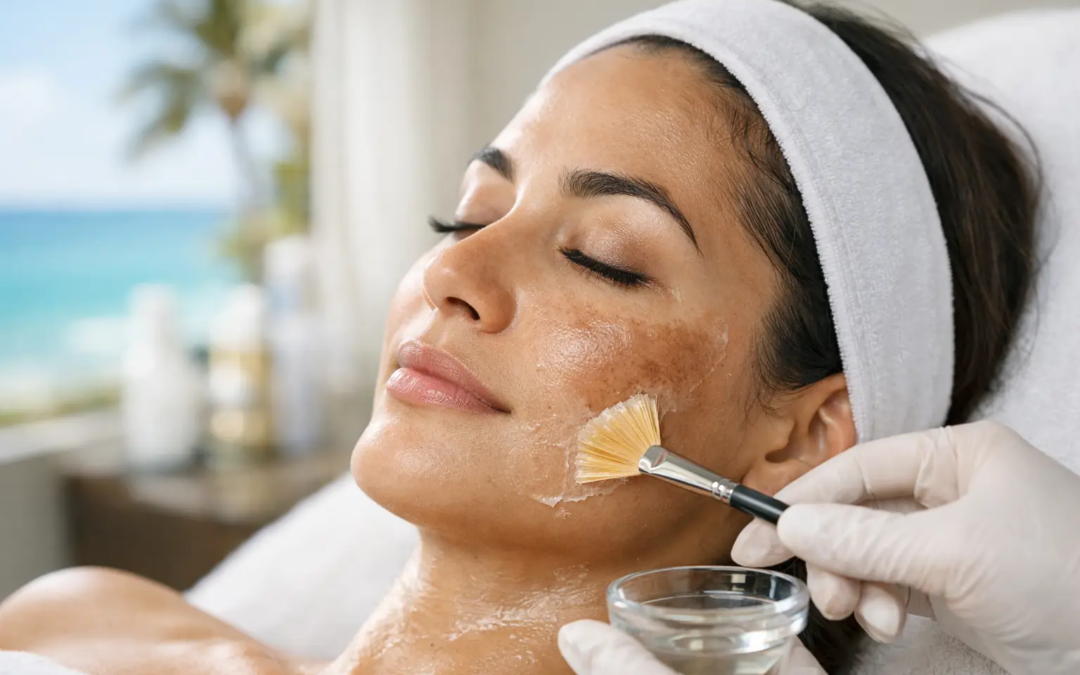
During the treatment, the peel is applied in a controlled clinical setting. You may feel tingling, warmth, or a temporary stinging sensation, depending on the formula and your skin sensitivity. The appointment itself is usually straightforward, but the expertise is in the judgment behind it.
Afterward, your skin may look pink, feel tight, and begin to peel over the next few days. This is not the time to scrub, pick, over-moisturize with random products, or test trendy actives. Clean, gentle aftercare matters. So does patience.
The single most important rule is sun protection. If you are treating melasma and not taking UV and heat exposure seriously, you are making the process harder than it needs to be. Broad-spectrum sunscreen, hats, shade, and consistent reapplication are not optional extras. They are part of treatment.
How Many Treatments Are Usually Needed?
Most people with melasma need more than one session. A series is often recommended because gradual treatment is safer and more effective for pigment-prone skin than pushing too hard in one visit.
The exact number depends on how deep the pigment sits, how reactive your skin is, and what else is included in your treatment plan. Some clients see a noticeable lift after one peel, while others achieve better results over several appointments spaced appropriately apart.
This is one reason professional consultations are so valuable. The goal is not simply to make skin peel. The goal is to improve discoloration while protecting the integrity of the skin.
The Role of Home Care in Melasma Results
A peel can create momentum, but home care keeps that momentum going. If your skincare routine is too harsh, inconsistent, or poorly matched to your skin, melasma can remain difficult to control.
A thoughtful regimen often includes gentle cleansing, barrier-supportive hydration, pigment-managing ingredients, and daily sun protection. In many cases, the best results come from the relationship between in-office treatment and at-home maintenance, not one or the other.
This is especially true in South Florida, where year-round sun and heat can make melasma more persistent. Even short periods outdoors can add up when your skin is already prone to pigment.
Is a Miami Peel for Melasma Worth It?
For many people, yes – if the treatment is selected carefully and paired with realistic expectations. A Miami Peel can be a valuable option for brightening uneven pigmentation, improving overall skin quality, and giving melasma-prone skin a more refined, refreshed look.
The key is not chasing the strongest peel. It is choosing a provider who understands pigment behavior, respects your skin barrier, and builds a plan around your skin rather than around a trend. That is where clinical beauty leads to real results.
If melasma has been frustrating you, the most helpful next step is not guessing at products or overcorrecting at home. It is getting a professional assessment and finding out what your skin is actually ready for.