If you have been hiding your feet in closed-toe shoes, skipping sandals, or covering one stubborn nail with polish year-round, toenail fungus laser treatment may be the option that finally feels worth exploring. Nail fungus is rarely just cosmetic. It can make nails thick, brittle, discolored, and difficult to trim, and it often lingers far longer than people expect.
Why toenail fungus is so hard to clear
Toenail fungus lives in and under the nail, which is exactly what makes it frustrating to treat. Topical products often struggle to penetrate the nail plate deeply enough to reach the source. Oral medication can be effective for some patients, but it is not right for everyone, especially those who prefer to avoid systemic medication or who have health considerations that make that route less appealing.
That is where laser treatment has become an appealing in-office option. It is designed to target fungal infection at the nail while avoiding the downtime and broader exposure that come with other approaches. For many patients, the real appeal is simple – they want a cleaner, more comfortable, more modern treatment plan.
How toenail fungus laser treatment works
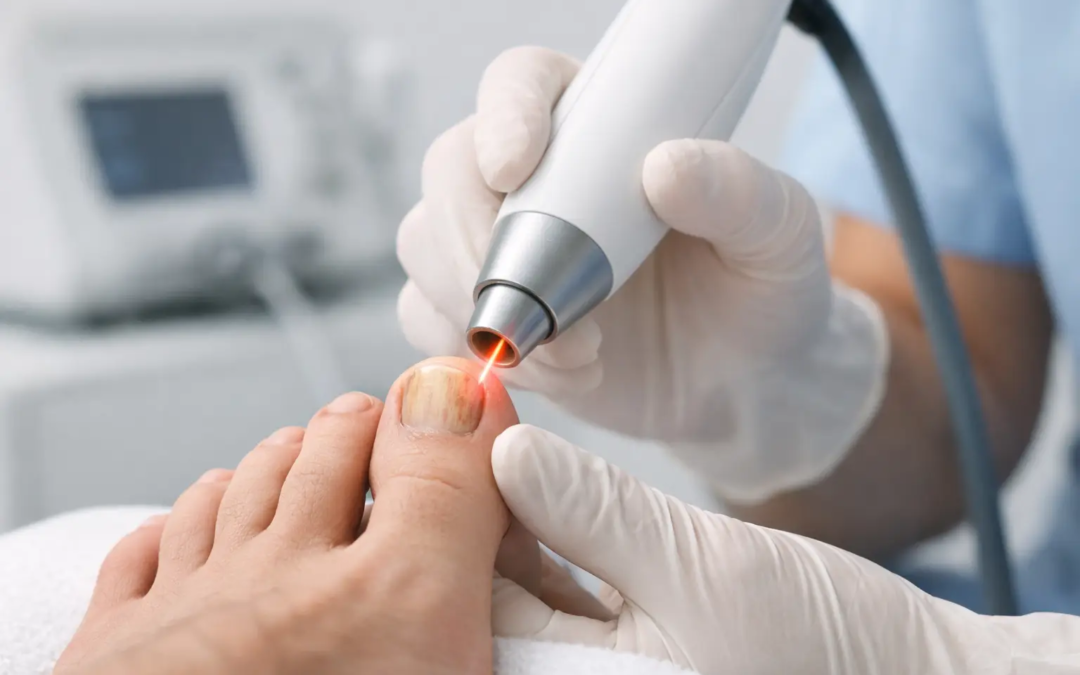
Toenail fungus laser treatment uses focused light energy to heat the affected area in a way that helps disrupt fungal organisms living in the nail and nail bed. The treatment is performed in-office, and the goal is precision. Rather than asking you to manage months of home care alone, laser treatment brings an advanced clinical tool into the process.
Most sessions are relatively quick. During treatment, the provider passes the laser over the affected nails and surrounding area according to the treatment protocol being used. Patients often describe the sensation as warmth, brief heat, or a snapping feeling, though comfort levels vary depending on the device, the extent of the infection, and individual sensitivity.
One important detail patients do not always realize is that the laser does not make a damaged nail look instantly clear. The fungus may be treated first, but the nail still needs time to grow out. That means visible improvement happens gradually as healthier nail replaces the old, affected portion.
What laser treatment can realistically improve
When laser therapy is a good fit, the goal is healthier nail growth over time. That may mean less discoloration, reduced thickening, improved nail texture, and a more normal appearance as the nail grows in. For some patients, it also means less embarrassment, less discomfort in shoes, and less frustration trying products that never seem to get very far.
Still, realistic expectations matter. If the nail has been affected for years, is severely thickened, or the infection involves multiple nails, treatment may take longer and results may be less dramatic after a single session. In some cases, a combination approach works best, such as laser treatment paired with topical support and consistent home care.
This is why a personalized consultation matters so much. Ethical care is not about promising overnight transformation. It is about evaluating the severity of the condition, discussing likely outcomes, and choosing the approach that gives you the strongest chance of improvement.
Who may be a good candidate for toenail fungus laser treatment
Many adults who are bothered by persistent fungal nails are reasonable candidates for toenail fungus laser treatment, especially if they have already tried over-the-counter products without success. It can also appeal to patients who want a non-surgical option and would prefer to avoid oral antifungal medication.
That said, not every discolored or thickened nail is fungal. Nail trauma, psoriasis, aging-related nail changes, and other conditions can look surprisingly similar. A proper evaluation helps confirm whether fungus is truly the issue before moving into treatment.
Good candidates are usually those who are prepared for the full process. That includes in-office treatment, patience while the nail grows out, and a willingness to follow prevention steps afterward. The laser can address the infection, but long-term success also depends on reducing the chance of reinfection.
What to expect during and after treatment
A professional consultation usually comes first. The nail is assessed, the extent of infection is reviewed, and your provider explains what kind of response is realistic in your case. In a results-driven medical aesthetics setting, this step matters because the treatment plan should reflect your nail health, lifestyle, and goals rather than a generic package.
During the appointment itself, the nails may be cleaned and prepped before the laser is applied. Sessions are generally well tolerated and do not require anesthesia in most cases. Afterward, there is typically little to no downtime, so many patients return to normal activity right away.
The part that requires patience is the regrowth period. Toenails grow slowly, especially the big toenail. It can take several months to begin seeing healthier new growth and close to a year for a severely affected nail to fully grow out. That timeline does not mean the treatment failed. It means nails do not renew quickly.
Why results depend on more than the laser
Laser technology can be a strong tool, but it is not magic. The outcome depends on several factors, including how advanced the infection is, how many nails are involved, whether the surrounding skin also has fungal involvement, and whether the patient follows prevention guidance after treatment.
Reinfection is one of the biggest reasons nail fungus returns. If shoes, socks, showers, gym floors, or pedicure habits continue to expose the feet to fungus, the problem can come back even after a well-performed treatment. This is why experienced providers often talk just as much about maintenance as they do about the procedure itself.
Simple habits can support better long-term results. Keeping feet dry, changing socks regularly, disinfecting footwear, avoiding barefoot exposure in communal wet areas, and trimming nails properly can all help. If athlete’s foot is also present, that should be addressed too, because the skin can continue to re-seed the nails.
Toenail fungus laser treatment vs other options
For many patients, the real question is not whether laser treatment exists. It is whether it makes more sense than topical or oral treatment.
Topical products are easy to access, but they often require long-term daily use and may have limited effectiveness, especially when the nail is thick or the infection is well established. They can be a helpful part of a plan, but they are not always enough on their own.
Oral antifungal medication may offer stronger results in some cases, but it comes with a different risk-benefit profile. Some patients are comfortable with that route. Others prefer to avoid systemic treatment because of possible side effects, medication interactions, or monitoring requirements.
Laser treatment sits in the middle as an in-office, localized option. It is attractive for patients who want a more advanced treatment without surgery and without taking oral medication. The trade-off is that multiple sessions may be recommended, results are gradual, and not every case responds the same way.
The value of a personalized treatment plan
Toenail fungus may sound straightforward, but treatment decisions are rarely one-size-fits-all. A mild case on one nail is different from a long-standing infection affecting several toenails. A patient with frequent salon pedicures and active workouts has different prevention needs than someone whose issue began after repeated shoe trauma.
At Medical Advanced Skin Care, that individualized approach is part of what makes treatment feel more reassuring. Patients want clinical beauty and real results, but they also want honesty. They want to know whether they are a strong candidate, how long improvement may take, and what they can do to protect the investment they are making in their care.
That blend of medical insight and supportive guidance is especially important with nail fungus because progress can be subtle at first. When patients understand the timeline, they are far more likely to stay consistent and notice the small but meaningful signs of healthy regrowth.
When it is time to seek professional care
If a nail has been yellow, thick, crumbly, lifting, or difficult to manage for months, it is worth having it evaluated. The same is true if home products have not helped, if multiple nails are involved, or if the appearance of your feet is affecting your confidence.
The earlier the condition is addressed, the easier it often is to manage. Waiting does not usually make nail fungus simpler. It gives the damage more time to spread and makes regrowth feel even slower once treatment finally begins.
Healthy-looking nails do more than improve the appearance of your feet. They make daily life feel more comfortable and help you stop thinking about what to hide. If that sounds like a relief, a thoughtful consultation is a smart first step.