Loose skin rarely shows up all at once. It tends to appear gradually – along the jawline, around the cheeks, under the chin, or across the neck – until one day your reflection looks a little more tired or less defined than you feel. That is exactly why non surgical skin tightening has become such a sought-after option. It offers a way to support firmer, more lifted-looking skin without surgery, long recovery, or an overly aggressive approach.
For many clients, the goal is not to look different. It is to look refreshed, rested, and more confident in their skin. The right treatment can help stimulate collagen, improve skin laxity, and create a smoother, tighter appearance over time. But not every device, protocol, or patient is the same, which is where expert guidance matters.
What non surgical skin tightening actually does
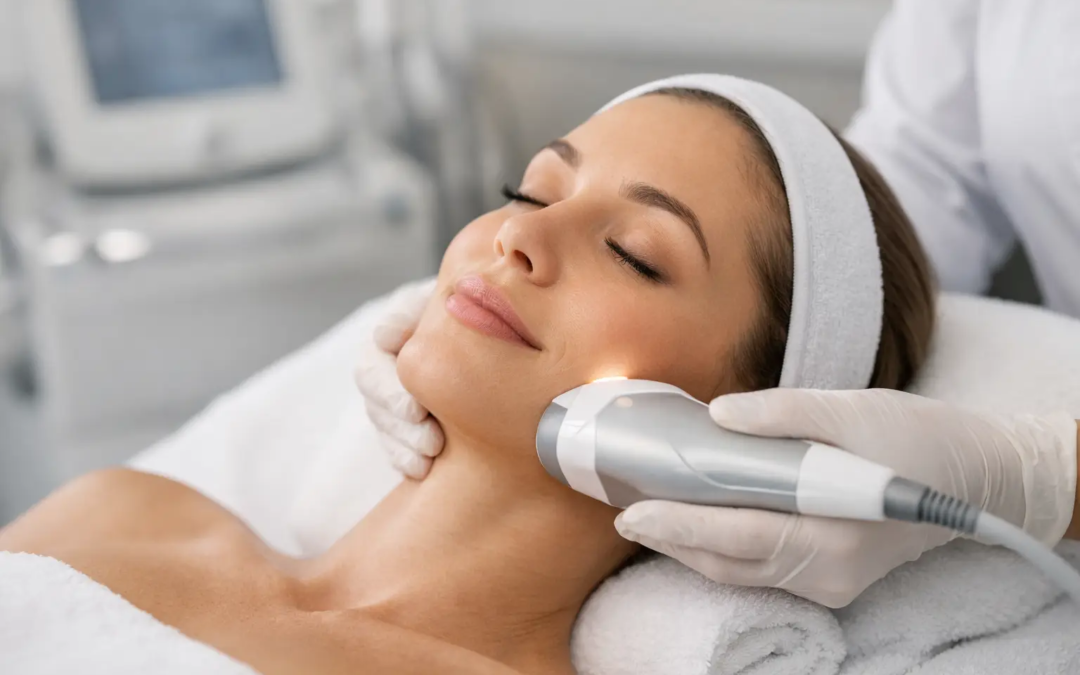
At its core, non surgical skin tightening is designed to encourage the skin to rebuild structure from within. Most treatments use focused energy – often ultrasound, radiofrequency, or laser-based heat – to target deeper layers of tissue without removing the surface of the skin. That controlled heat signals the body to produce more collagen and elastin, the proteins that help skin stay firm, resilient, and supported.
This matters because skin laxity is not only about the surface. As collagen declines with age, sun exposure, weight changes, and natural hormonal shifts, the skin begins to lose some of its underlying support. Topical skincare can improve texture and hydration, but it cannot tighten deeper tissue in the same way an in-office treatment can.
The result is usually not an overnight transformation. Instead, non surgical skin tightening tends to create gradual, natural-looking improvement. Skin may look a little firmer early on, but the more meaningful changes often develop over several weeks to months as new collagen forms.
Who is a good candidate for non surgical skin tightening?
The best candidates are usually people with mild to moderate skin laxity who want visible improvement without surgery. You may be a strong fit if you are noticing early sagging around the lower face, softening through the jawline, crepey texture on the neck, or skin that no longer feels as firm as it once did.
This category often includes clients in their 30s, 40s, 50s, and beyond, but age alone is not the deciding factor. Skin quality, degree of laxity, treatment goals, and overall health all play a role. Some younger clients choose tightening treatments as a preventive step when collagen loss is just starting. Others pursue them later to maintain their appearance and postpone more invasive procedures.
Where expectations need to stay grounded is with significant sagging or heavy excess skin. If skin laxity is advanced, a non-surgical approach may improve firmness but not replace the lifting power of surgery. Ethical treatment planning means saying that clearly. A polished result starts with the right recommendation, not the most aggressive promise.
Popular treatment approaches for skin tightening
There is no single best treatment for everyone. Different technologies target different concerns, depths, and skin types.
Ultrasound-based skin tightening is often chosen for lifting and firming in areas like the brow, lower face, jawline, and neck. It delivers focused energy into deeper tissue layers, which can be especially helpful when the goal is to address structural laxity rather than just surface texture.
Radiofrequency treatments are another popular option. These use controlled heat to stimulate collagen and can be effective for mild to moderate laxity, especially when paired with a series of sessions. Some radiofrequency devices also improve crepey texture and fine lines, making them a good choice when the skin needs both tightening and smoothing.
Certain laser treatments can also support firmer-looking skin, though they are often selected when concerns like pigmentation, redness, or textural irregularities are part of the picture. In a clinical setting, combination planning is often what creates the most balanced outcome.
At Medical Advanced Skin Care, treatment planning may include advanced options like Ultraformer III for clients who want a non-surgical tightening treatment backed by precision and personalization. That kind of technology matters, but the treatment plan behind it matters just as much.
What results should you realistically expect?
The most satisfying results are the ones that look believable. With non surgical skin tightening, the goal is typically a firmer feel, better definition, and a subtle lift that makes the face or neck look more supported. You may notice improved contour along the jawline, less looseness under the chin, or skin that appears smoother and more refined.
What you should not expect is the dramatic repositioning that comes with a surgical facelift. This is enhancement, not reinvention. For the right person, that is exactly the appeal.
Results also depend on the treatment selected. Some people do best with one deeper, energy-based session. Others get better results from a series. Maintenance is often part of the conversation too, because collagen continues to change over time. Think of skin tightening the same way you would think about fitness or skincare – consistency helps preserve progress.
Downtime, comfort, and recovery
One reason these treatments appeal to busy professionals and active adults is that recovery is usually manageable. Many non surgical skin tightening treatments involve little to no downtime, though the experience depends on the technology used and the intensity of the session.
You might have temporary redness, mild swelling, tenderness, or a sensation of warmth afterward. Some clients return to normal activities the same day, while others prefer a quieter evening and extra hydration. A personalized consultation should cover comfort expectations honestly, including whether numbing, post-care, or activity adjustments are recommended.
Comfort level is another area where treatment choice matters. Some devices feel warm and tolerable. Others create brief moments of intensity. Neither is necessarily better. The right choice is the one that aligns with your skin, goals, and tolerance while still delivering meaningful results.
Why personalized treatment planning matters
Skin tightening is not a one-size-fits-all service. The same concern – a softer jawline, for example – may come from collagen loss in one person, volume changes in another, and a mix of skin laxity and sun damage in someone else. Treating every case the same is how people end up disappointed.
A thoughtful provider looks at skin thickness, age-related change, facial anatomy, sun exposure history, and the pace of correction you want. They also consider whether your skin would benefit from complementary treatments. Tightening alone may not fully address dullness, rough texture, acne scarring, or discoloration. In many cases, the most elegant results come from layering modalities in a strategic way.
That might mean pairing tightening with microneedling to support collagen, adding a treatment for pigment correction, or maintaining the skin with facials and medical-grade skincare between visits. When the plan is customized, the result tends to feel more refined and more lasting.
How to choose the right provider
The best technology in the wrong hands is still the wrong choice. When you are considering non surgical skin tightening, look for a provider who prioritizes consultation, education, and realistic expectations. You should feel guided, not sold to.
A strong provider will explain what the treatment can do, what it cannot do, how many sessions may be needed, and when results are likely to appear. They should also be transparent about trade-offs. If your skin needs a different service, or if surgery would produce a more dramatic result, that should be part of the conversation.
This is especially important in aesthetic medicine, where trust shapes the experience as much as the treatment itself. Clinical expertise matters. So does comfort, follow-up care, and a setting where your concerns are heard with attention.
Is non surgical skin tightening worth it?
For the right patient, yes – especially when the goal is visible improvement with minimal disruption to daily life. It can be an excellent choice for people who want firmer-looking skin, more definition, and a refreshed appearance without stepping into surgical territory.
It is also worth it when it fits into a broader skin health plan. Tightening works best when the skin is supported overall through sun protection, medical-grade skincare, collagen-supportive treatments, and ongoing maintenance. The treatment may start the process, but good skin habits help protect the result.
There is something reassuring about choosing a treatment that respects both your time and your natural features. When skin tightening is done well, people may not know exactly what changed. They just notice that you look well cared for, rested, and more like yourself again.
If you are starting to see early laxity and wondering whether now is the right time, that question is often the right place to begin. The earlier you address collagen loss with a personalized plan, the more options you usually have to keep your skin looking firm, healthy, and beautifully supported.