Acne may be gone, but the reminders it leaves behind can linger far longer than most people expect. For many patients, a chemical peel for acne marks becomes the point where skin finally starts to look clearer, smoother, and more even again – not masked, but genuinely improved.
The reason this treatment gets so much attention is simple: acne marks are not all the same, and they do not all respond to the same approach. Some are red or brown areas of discoloration left after inflammation. Others are shallow textural changes that make skin look uneven in certain lighting. A peel can be very effective for the right kind of post-acne concern, but the best results come from matching the formula, strength, and timing to your skin rather than choosing the most aggressive option.
How a chemical peel for acne marks works
A chemical peel uses a controlled exfoliating solution to remove damaged surface cells and encourage skin renewal. As the outer layers shed, discoloration can fade, pores may appear clearer, and the overall texture of the skin often looks more refined. Depending on the type of peel, treatment can also stimulate deeper repair processes that support smoother-looking skin over time.
For acne marks, this matters because much of what people call scarring is actually post-inflammatory pigmentation or redness. These marks often sit closer to the surface than true scars, which makes them more responsive to a professional peel. If your concern is leftover dark spots after breakouts, a series of peels may noticeably brighten the complexion faster than waiting for skin to correct itself.
That said, true indented acne scars are different. Boxcar, rolling, and ice pick scars involve structural changes in the skin, and a peel alone may only soften them modestly. In those cases, combination treatment is often the smarter path. Microneedling, collagen-stimulating procedures, or energy-based treatments may be recommended alongside peels to improve texture more comprehensively.
Which acne marks respond best
The patients who usually see the clearest improvement are those dealing with post-inflammatory hyperpigmentation, post-inflammatory erythema, mild roughness, and dullness after acne has healed. If your skin looks blotchy, uneven, or stained by old breakouts, a peel can help accelerate turnover and restore a cleaner, more balanced tone.
People with oily or congestion-prone skin may also benefit because certain peel ingredients help reduce buildup inside pores. That can improve both existing marks and the cycle that creates future breakouts. In other words, the right peel can be corrective and preventive at the same time.
If your marks are deeper and more textural, expectations need to stay realistic. A peel may still play a valuable role, especially in smoothing the surface and improving skin clarity, but it may not be the whole treatment plan. Ethical providers are careful about that distinction because promising dramatic scar correction from one peel is rarely accurate.
Types of peels commonly used for post-acne skin
Not every peel is designed for every skin concern. For acne marks, providers often choose formulas based on both the mark itself and your skin type, tone, sensitivity, and lifestyle.
Salicylic acid peels are often favored for oily and acne-prone skin because salicylic acid is oil-soluble and helps clear inside the pore. These peels can improve congestion while gradually refining tone and texture.
Glycolic acid peels work well for surface discoloration and dullness. They encourage exfoliation and can leave skin looking brighter and smoother, though some patients with more sensitive skin may need a gentler option.
Lactic acid peels tend to be milder and can be a good fit for patients who want brightening with less intensity. Jessner-type blends and other medical-grade combination peels may be selected when acne marks, texture, and breakouts are all part of the picture.
For deeper correction, stronger peels may be appropriate, but stronger is not automatically better. In South Florida especially, where sun exposure is a year-round reality, overly aggressive treatment can create more downtime and raise the risk of post-treatment pigmentation if aftercare is not followed carefully.
What treatment feels like
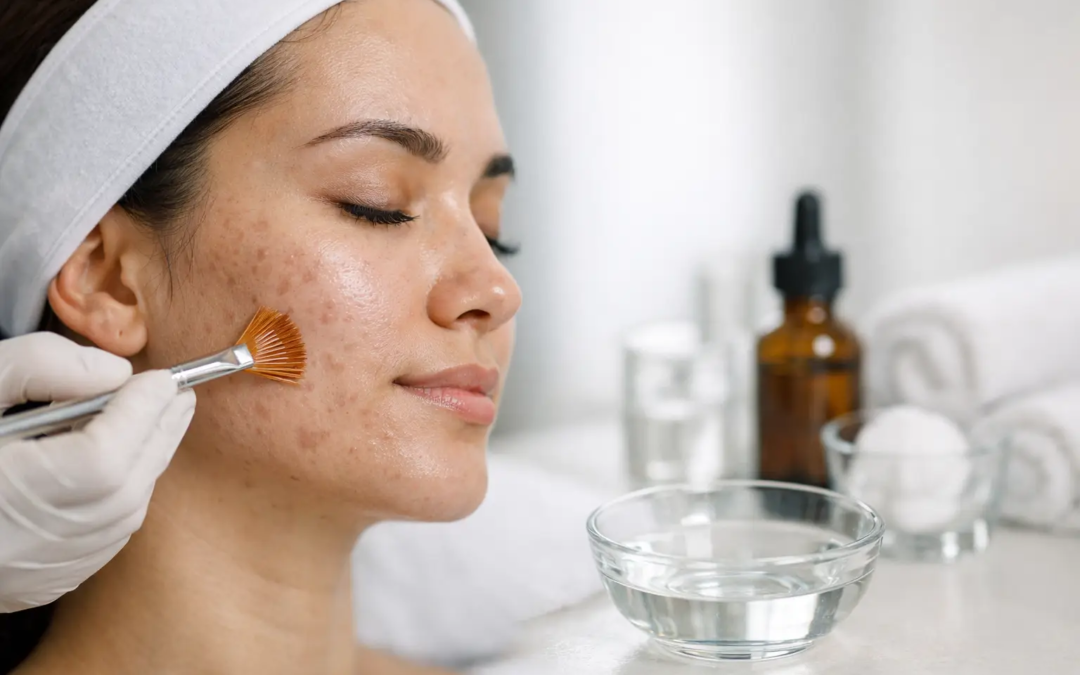
Most superficial and medium-depth peels are quick in-office treatments. After the skin is cleansed and prepped, the solution is applied in controlled layers. You may feel tingling, warmth, or a stinging sensation for a few minutes. Some peels are very manageable with minimal discomfort, while stronger formulas feel more active.
Afterward, the skin may look pink, tight, or slightly bronzed depending on the peel used. Over the next few days, you may notice dryness, flaking, or visible peeling. Not everyone peels dramatically. Sometimes the skin simply feels rough and then reveals a fresher surface as it renews.
Recovery depends on the formula and depth. A lighter peel may involve little downtime, while a stronger peel can require several days of visible shedding. This is one reason personalized planning matters. If you have events, travel, beach time, or heavy sun exposure ahead, treatment timing should be chosen carefully.
Who should be cautious
A chemical peel can be an excellent treatment, but not every patient is ready for one at every moment. Active acne flare-ups, sunburn, irritated skin barriers, certain medications, recent waxing, or inconsistent sunscreen use can all affect whether treatment should be done now or postponed.
Skin tone also matters in planning. Deeper skin tones can absolutely benefit from chemical peels, but the formula and strength must be selected thoughtfully to reduce the risk of unwanted pigmentation changes. This is where medical expertise matters. The goal is visible improvement with respect for your skin’s biology, not pushing intensity for the sake of intensity.
Pregnancy, nursing status, and a history of cold sores may also affect treatment choices. A proper consultation should cover your history, current products, lifestyle, and long-term skin goals before deciding on a peel protocol.
Results and how many sessions you may need
One of the most common questions is whether one peel is enough. Sometimes a single treatment gives the skin a brighter, smoother look, but acne marks usually respond best to a series. Gradual treatment tends to be safer and more effective than trying to force a dramatic result in one visit.
Many patients begin noticing improvement after the first one or two sessions, especially with discoloration. More stubborn marks often need multiple treatments spaced several weeks apart. If texture is part of the concern, visible change often happens more slowly because collagen remodeling takes time.
A realistic plan may include a peel series, home care adjustments, and maintenance treatments to keep skin clear and even. That kind of strategy usually creates better long-term results than occasional treatment without a plan.
Why aftercare matters as much as the peel itself
A peel can only do its job well if the skin is protected afterward. Freshly treated skin is more vulnerable to irritation and sun exposure, and that is especially important when treating acne marks. Unprotected UV exposure can deepen pigmentation and erase progress quickly.
Gentle cleansing, moisturizer, and consistent broad-spectrum sunscreen are non-negotiable after treatment. Patients are often advised to pause exfoliants, retinoids, and other active products until the skin has recovered. Picking at peeling skin can increase irritation and create new marks, so patience matters.
This is also why professional guidance has value. The treatment itself is only part of the process. The prep, product adjustments, and post-care instructions are what help turn a peel into a well-managed result.
Is a chemical peel right for your skin?
If acne has left behind dark marks, uneven tone, or a rougher texture than you used to have, a chemical peel may be a very worthwhile option. It offers a non-surgical, clinically proven way to improve skin clarity and support a healthier-looking complexion. The key is not choosing the harshest peel. It is choosing the right one.
At a clinic such as Medical Advanced Skin Care, that decision starts with a personalized consultation, because the best results come from treating your actual skin rather than a generic category. Some patients need brightening. Some need scar-softening support. Some need acne control first. A thoughtful plan respects those differences.
Clearer skin after acne is rarely about one dramatic fix. It is about expert treatment, smart pacing, and care that helps your skin rebuild confidence one layer at a time.