Most clients are less concerned about the treatment itself than the mirror the next morning. That is why microneedling downtime after treatment is one of the most common questions we hear in practice. People want real skin improvement, but they also want to know when they can return to work, wear makeup again, and feel fully comfortable in their skin.
The good news is that microneedling is generally considered a low-downtime treatment, especially compared with more aggressive resurfacing options. The more honest answer, though, is that downtime is not identical for everyone. Your skin sensitivity, the depth of treatment, whether PRP is used, and how closely you follow aftercare all affect how your skin looks and feels in the days that follow.
What microneedling downtime after treatment usually looks like
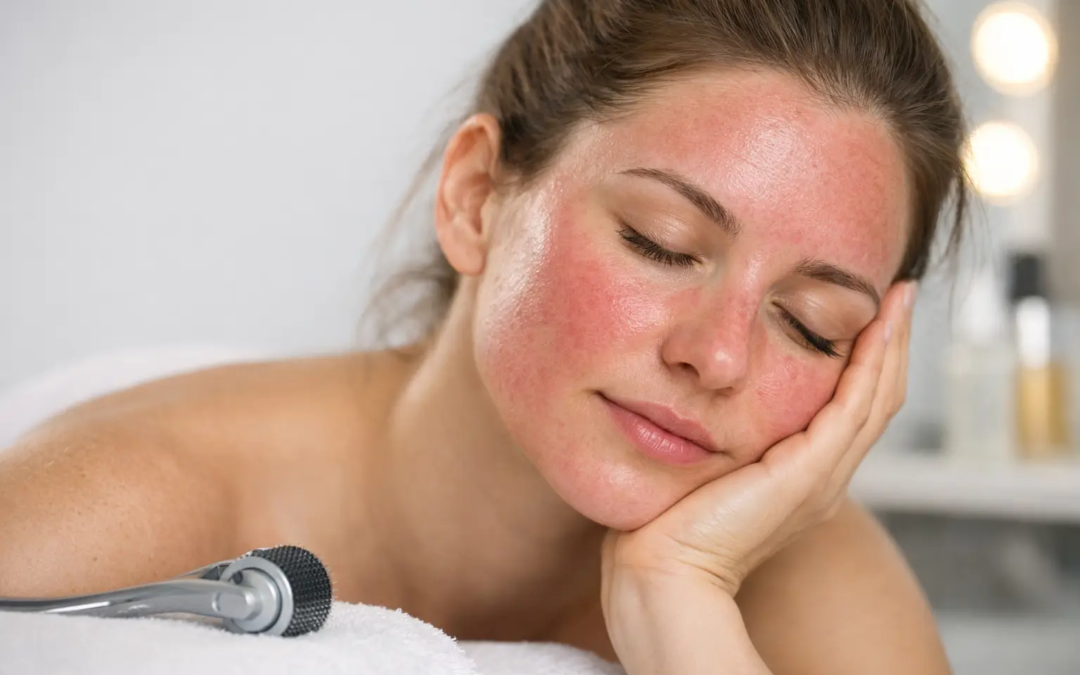
Right after treatment, most skin looks red and feels warm, similar to a moderate sunburn. That redness is expected. Microneedling creates controlled micro-injuries in the skin to stimulate natural collagen production, so some visible inflammation is part of the process rather than a sign that something has gone wrong.
For many clients, the first 24 hours are the most noticeable. Skin may feel tight, appear flushed, and have mild swelling, especially in delicate areas like under the eyes. By day two, the redness often softens into pinkness. Some people also notice a rough, dry, or slightly sandpapery texture as the skin begins to renew itself.
By days three through five, most of the visible downtime has improved. The skin may still feel a bit dry or look lightly flaky, but many people are back to their usual routine with a fresher, smoother appearance already beginning to show. If the treatment was more intensive, healing may stretch closer to a full week.
That range matters. A lighter session for glow and texture refinement does not heal exactly like a deeper session targeting acne scars or more advanced signs of aging.
How long does microneedling downtime last?
For most people, social downtime is about 24 to 72 hours. That means the period when redness or sensitivity is visible enough that you might prefer to avoid a major event or close-up photos. Full skin recovery can take several more days, even after you look fairly normal again.
A typical timeline looks like this:
Immediately after treatment, expect redness, warmth, and mild sensitivity. Within the first one to two days, some swelling and tightness are still common. Around days three to five, dryness, flaking, or rough texture may appear. By the end of the first week, many clients feel fully back to baseline or better.
If your skin is naturally reactive, if this is your first session, or if you combine treatment with PRP or a stronger protocol, you may heal a bit more slowly. That is not necessarily a problem. It simply means your plan should match your schedule.
What affects downtime the most
Depth is a major factor. Deeper microneedling treatments typically create more visible redness and a longer recovery period because they reach farther into the skin. These treatments can be very effective for textural concerns, but they do ask more of the healing process.
Your skin type also matters. Sensitive or rosacea-prone skin may stay pink longer. Dry or compromised skin can feel rougher afterward. Clients using active products at home, such as retinoids, exfoliating acids, or strong acne treatments, may also notice more irritation if they do not pause those products as instructed.
Technique and device quality matter just as much as skin type. A medical-grade treatment performed with a thoughtful protocol tends to produce more predictable healing than a one-size-fits-all approach. This is one reason personalized care matters. The goal is not simply to create an aggressive response. The goal is to create the right response for your skin.
What is normal after treatment and what is not
Normal downtime can include redness, tightness, mild swelling, dryness, tenderness, and temporary flaking. Some people also experience pinpoint sensitivity, especially around the nose, mouth, or under-eye area. These reactions usually improve steadily over several days.
What is not normal is worsening pain, significant swelling that increases rather than decreases, signs of infection, pus, fever, or prolonged irritation that does not calm down. Tiny breakouts can happen in some acne-prone skin, but anything severe or persistent should be reviewed by your provider.
Clients sometimes worry when the skin feels rough a few days later. In many cases, that roughness is just part of the renewal process. Fresh skin is developing, and the surface can temporarily feel dry before it looks brighter.
How to make microneedling downtime easier
The best recovery starts before the appointment. If you arrive with over-exfoliated, irritated, sunburned, or dehydrated skin, downtime is often more noticeable. Healthy skin tends to rebound more smoothly.
After treatment, keep your routine simple. Use only the products your provider recommends. This usually means gentle cleansing, lightweight hydration, and serious sun protection once the skin is ready for it. Avoid the temptation to use active ingredients in hopes of speeding results. Right after microneedling, more is not better.
Heat, sweating, and friction can also make the skin angrier than it needs to be. For the first day or two, skip intense workouts, saunas, steam rooms, and anything else that leaves your face flushed and overheated. Keep showers lukewarm rather than hot, and try not to touch or pick at the skin.
Clean pillowcases, clean makeup brushes, and clean hands are part of good aftercare too. When the skin barrier is temporarily more vulnerable, small habits make a difference.
When can you wear makeup again?
This is one of the biggest schedule-related questions, and the answer depends on how your skin looks and how intensive the treatment was. In many cases, it is best to wait at least 24 hours before applying makeup. Some providers recommend a longer wait, especially if the skin is still quite red or sensitive.
Even when makeup is technically allowed, fresh skin often looks better with breathable, minimal coverage rather than a full face. Heavy products can feel uncomfortable on healing skin and may not sit evenly if dryness has started.
If you have an event coming up, timing matters. It is smart to schedule microneedling at least several days before photos, weddings, presentations, or social occasions. A week of buffer time is often ideal if you want to look polished rather than simply recovered.
What to avoid during recovery
Sun exposure is one of the biggest issues after microneedling. Newly treated skin is more vulnerable, and unprotected sun can increase irritation and compromise results. In South Florida, where sun exposure is hard to avoid, post-treatment planning becomes even more important.
You will also want to avoid exfoliating scrubs, retinoids, acids, tanning, swimming pools, and anything that stings or overheats the skin until your provider says your routine can return to normal. If your skin feels tender, trust that signal. Recovery should feel supported, not challenged.
Is microneedling worth the downtime?
For many clients, yes. The appeal of microneedling is that it offers meaningful skin renewal without the extended recovery associated with more aggressive resurfacing treatments. It can improve texture, soften the look of fine lines, support acne scar revision, and help the skin appear firmer and more refined over time.
The trade-off is that results are not instant and usually build with a series. You may look brighter fairly quickly, but collagen remodeling takes time. That makes realistic expectations important. This is a treatment for healthier-looking skin, not a one-day fix.
For clients who want visible improvement with manageable recovery, microneedling often sits in a very appealing middle ground. At Medical Advanced Skin Care, that balance is part of the conversation. Treatment should fit your skin goals, your comfort level, and your real life.
Planning your treatment around your schedule
If you are considering your first session, try not to book it the day before something important. Give your skin room to respond naturally. A late-week appointment before a quiet weekend works well for many people, especially if they prefer privacy during the reddest phase.
It also helps to think beyond just the first day. You may be presentable quickly, but your skin can still be dry or a little textured for several days. If you know that ahead of time, the recovery feels much easier to manage.
The most confident microneedling experience usually comes from good planning, skilled treatment, and clear aftercare. When those pieces are in place, downtime feels less like a disruption and more like a short pause on the way to stronger, smoother, healthier-looking skin.
If you are weighing whether the recovery fits your lifestyle, the best next step is not guessing. It is getting a personalized recommendation based on your skin, your goals, and how much downtime you are truly comfortable with.