Loose skin rarely shows up all at once. Most people notice it in small ways first – makeup settling differently along the jawline, a softer look under the chin, or cheeks that seem less lifted than they used to. A skin tightening treatment is designed to address those early and moderate changes by stimulating the skin’s natural support structure, helping it look firmer, smoother, and more refined without surgery.
For many clients, the appeal is not about looking dramatically different. It is about looking more rested, more defined, and more like themselves again. That is why non-surgical tightening has become such a popular option for the face, neck, and other areas where skin can begin to lose elasticity over time.
What a skin tightening treatment actually does
Skin does not become lax for just one reason. Collagen declines with age, elastin weakens, sun exposure accelerates visible aging, and weight fluctuations can make the skin look less supported. A skin tightening treatment works by encouraging the body to rebuild or remodel collagen, which improves firmness gradually rather than creating an instant pulled look.
This matters because healthy tightening should look natural. In a clinical setting, the goal is not to overcorrect. It is to strengthen the skin’s underlying framework so the surface looks smoother and more toned over time. Depending on the technology used, treatment may target deeper structural layers, more superficial tissue, or both.
Who is a good candidate for skin tightening treatment?
The best candidates are usually people with mild to moderate skin laxity who want visible improvement without surgery or extended downtime. That may include someone noticing early jowling, a softening jawline, loose skin under the chin, crepey texture on the neck, or mild laxity around the cheeks.
It can also be a strong choice for clients who are not ready for more invasive procedures, or who simply prefer a gradual refresh that fits into a busy lifestyle. In South Florida especially, many clients want results that look polished and natural, not obvious. Non-surgical tightening often meets that need well.
That said, not every concern responds equally. If the skin is very loose, or if there is significant volume loss rather than laxity, tightening alone may not be enough. In those cases, the most ethical recommendation is often a combination approach or a conversation about whether another treatment category would serve you better.
How non-surgical skin tightening works
Most modern tightening treatments use controlled energy to heat targeted layers of tissue. That heat triggers a repair response, which encourages collagen production and tissue contraction. Over the weeks and months that follow, the skin can appear firmer and more lifted.
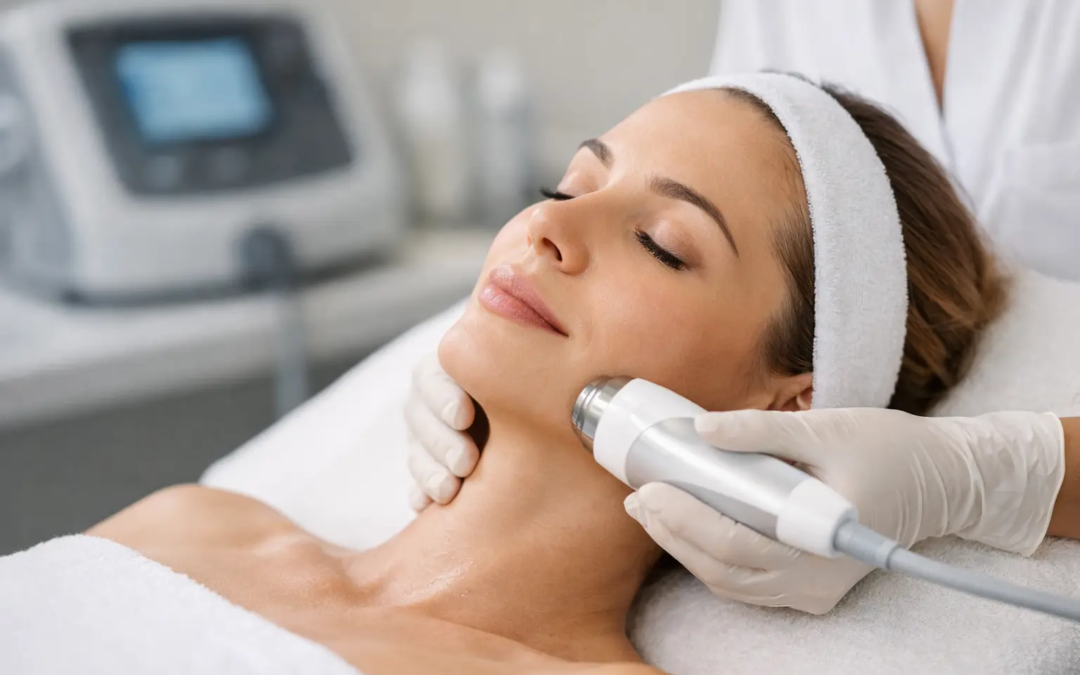
One of the most recognized options for this is ultrasound-based treatment. At Medical Advanced Skin Care, Ultraformer III is used to deliver focused ultrasound energy to precise depths beneath the skin. This makes it possible to address laxity in a way that is personalized to the area being treated and the degree of support the skin needs.
The advantage of this approach is precision. The provider can treat deeper structural layers while leaving the surface relatively undisturbed, which is one reason many clients appreciate the minimal downtime. It is a sophisticated option for people who want noticeable refinement without stepping into surgical territory.
What results can you realistically expect?
Realistic expectations are where good treatment decisions begin. A skin tightening treatment can improve firmness, contour, and skin quality, but it will not replicate the result of a facelift. The improvement is usually more subtle and progressive, which is exactly why many clients prefer it.
Some people notice a mild early tightening effect soon after treatment, but the more meaningful changes tend to develop over two to three months as collagen remodeling continues. Full results can keep improving beyond that point depending on the treatment plan, your age, skin condition, and how your body responds.
The best outcome is often a fresher version of your current features – a cleaner jawline, smoother neck, less crepey texture, and skin that appears better supported. Friends may comment that you look well-rested without being able to pinpoint why.
Areas commonly treated
The face and neck are the most requested areas for tightening, especially around the lower face where laxity tends to become more noticeable. Under the chin is another popular treatment area because even mild looseness there can affect the profile.
Some clients also pursue tightening for the brow area, chest, or body depending on the technology and their goals. The right treatment map depends on both anatomy and priorities. For one person, the focus may be jawline definition. For another, it may be improving neck texture and support.
What treatment feels like
Comfort varies by technology, treatment depth, and personal sensitivity. With ultrasound-based skin tightening, clients often describe the sensation as brief pulses of heat or tingling under the skin. It can be intense in some spots, particularly along bony areas, but treatments are generally well tolerated.
A proper consultation should include a clear discussion of what the session will feel like, how long it will take, and what kind of aftercare is recommended. Luxury care should still be honest care. You should feel informed, comfortable, and never surprised by the experience.
Downtime and aftercare
One reason non-surgical tightening is so appealing is that downtime is usually limited. Many clients return to regular activities shortly after treatment. Mild redness, tenderness, or swelling can happen, but these effects are typically temporary.
Aftercare is often simple. Gentle skincare, good hydration, and diligent sun protection help support recovery and protect your investment. Since collagen health is influenced by daily habits, your home routine matters more than many people realize.
Why consultation matters more than the device name
It is easy to get caught up in treatment names, trending technologies, or before-and-after photos. What matters more is whether the treatment fits your skin, anatomy, and goals. A thoughtful consultation should assess laxity, skin quality, facial balance, and whether your concern is truly caused by loose skin.
For example, someone who thinks they need tightening may actually be dealing more with pigmentation, texture, dehydration, or volume loss. In that case, a different treatment or a layered plan may lead to a better result. This is where clinical expertise makes all the difference.
A personalized plan should also take your timeline into account. If you have an event in two weeks, a gradual collagen-building treatment may not be the best stand-alone option. If you are thinking long term and want visible but natural improvement, it may be ideal.
Combining skin tightening treatment with other services
In many cases, the most elegant results come from combination care. Tightening addresses support, but skin aging is rarely one-dimensional. Texture, pigmentation, dullness, and collagen loss can all show up together.
That is why many clients benefit from pairing tightening with treatments that improve the skin’s surface and overall quality. Depending on the skin and timing, options such as microneedling, BBL, HydraFacial, or chemical peels may complement a skin tightening treatment by helping the skin look brighter, smoother, and more refined overall.
The key is sequencing. Not every treatment should be done at the same time, and not every combination is right for every client. A professional plan should be strategic, not aggressive.
How long results last
Results are not permanent because the skin continues to age, but they can be long lasting with good maintenance. Longevity depends on the treatment used, your age, sun exposure, lifestyle, and baseline skin quality.
Many clients choose periodic maintenance to support collagen over time rather than waiting until laxity becomes more advanced. This tends to be a smart approach because earlier intervention often means more natural-looking improvement and less need for intensive correction later.
Choosing the right provider
The right provider will do more than recommend a machine. They will assess whether you are a good candidate, explain realistic outcomes, discuss trade-offs, and create a plan that respects both your goals and your skin. That level of guidance is especially important with tightening treatments because success depends on precision, experience, and patient selection.
You should feel that your provider is invested in your long-term skin health, not just in selling a service. The best aesthetic care feels personalized, medically grounded, and genuinely supportive from consultation through follow-up.
When done thoughtfully, skin tightening is not about chasing perfection. It is about restoring a little structure, a little confidence, and that refreshed look that still feels completely like you.