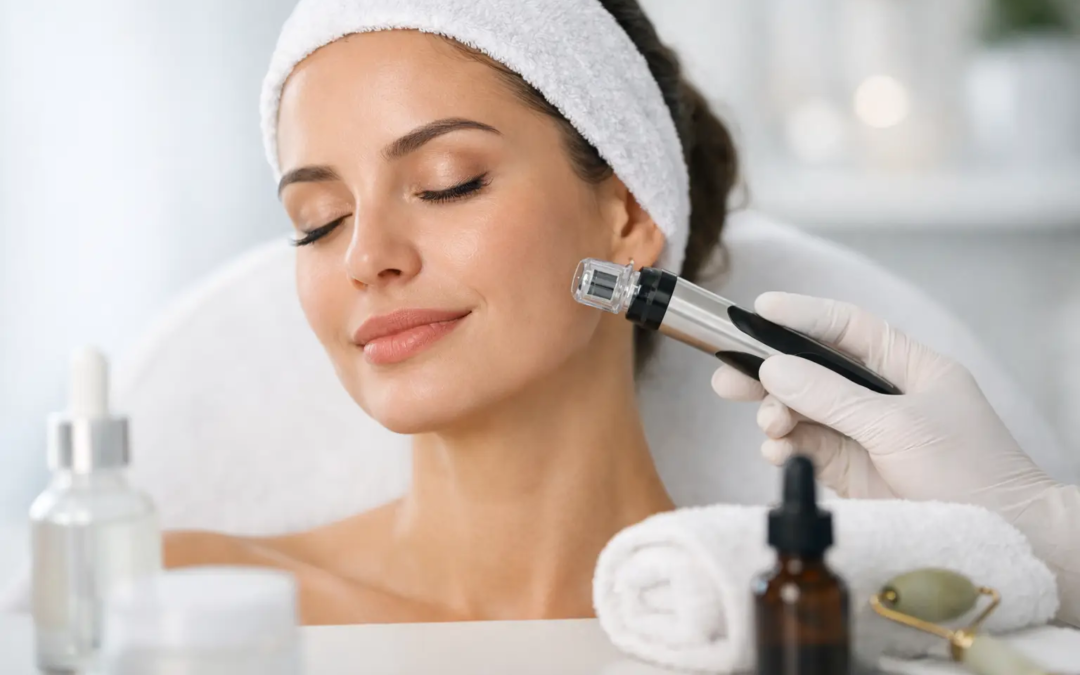
Great microneedling results usually start before your appointment does. If you are wondering how to prepare for microneedling, the goal is simple – arrive with calm, healthy skin so your treatment can work efficiently and your recovery stays as smooth as possible.
Microneedling is one of the most effective non-surgical treatments for improving texture, softening acne scars, minimizing the look of pores, and supporting firmer, more refreshed skin. But preparation matters. A few smart adjustments in the days leading up to treatment can make a real difference in how your skin responds, especially if you are treating sensitivity, pigmentation concerns, active breakouts, or early signs of aging.
Why preparation matters before microneedling
Microneedling works by creating controlled micro-injuries in the skin, which stimulates your natural healing response and encourages collagen production. Because the treatment is intentionally activating repair, your skin should be in its most stable state going in.
That means avoiding anything that leaves the skin irritated, over-exfoliated, sunburned, or inflamed. When skin is already stressed, treatment can feel more uncomfortable and the recovery period may be less predictable. On the other hand, when your skin barrier is balanced and your provider has a clear understanding of your history, the experience tends to be more comfortable and the outcome more consistent.
This is also where personalization matters. Not every client prepares the same way. Someone treating acne scarring may need different guidance than someone focused on fine lines or post-summer sun damage. A medical aesthetics provider will typically adjust recommendations based on your skin condition, treatment depth, and whether your microneedling session includes PRP or other advanced add-ons.
How to prepare for microneedling in the week before
The week before your appointment is when most of the important prep happens. You do not need an elaborate routine. You need a disciplined one.
Start by pausing strong active ingredients unless your provider tells you otherwise. This often includes retinoids, retinol, tretinoin, exfoliating acids like glycolic or salicylic acid, benzoyl peroxide, and any harsh scrubs. These products can leave the skin more reactive than it appears on the surface. If your skin feels tight, tingly, or slightly dry before treatment, that is usually a sign to simplify.
Sun exposure is another major factor. Try to avoid direct sun in the days leading up to treatment and wear a broad-spectrum sunscreen daily. If your skin is sunburned or even mildly overexposed, your appointment may need to be postponed. In South Florida, this is especially relevant because even short periods outside can add up quickly.
It is also wise to skip other treatments that can irritate the skin. Waxing, chemical peels, aggressive facials, dermaplaning, and laser treatments may all need spacing depending on timing and treatment area. If you are unsure what counts as too much, ask before stacking services. Good skin outcomes usually come from a thoughtful plan, not from doing everything at once.
What to tell your provider before treatment
Preparation is not only about products. It is also about communication.
Before microneedling, your provider should know if you are pregnant or breastfeeding, prone to cold sores, using prescription acne medication, healing from a recent cosmetic procedure, or dealing with eczema, psoriasis, rosacea, or any active skin infection. They should also know if you scar easily or have a history of post-inflammatory hyperpigmentation.
These details are not small. They help determine whether microneedling is appropriate, how aggressive the treatment should be, and what pre- or post-care steps may be needed. For example, clients with a history of cold sores may need preventive guidance before treating areas near the mouth. Clients with highly reactive skin may benefit from a more conservative approach.
At Medical Advanced Skin Care, this kind of assessment is part of what creates a more elevated treatment experience. Clinical beauty gets better results when it is guided by medical judgment, not guesswork.
The day before your microneedling appointment
The day before treatment, keep your routine gentle and predictable. Cleanse, moisturize, and protect your skin from the sun. This is not the time to test a new serum, add an exfoliating mask, or squeeze a breakout that suddenly appeared.
Hydration can help too. Well-hydrated skin generally recovers better than depleted skin, so drink water consistently and avoid anything that tends to leave you dehydrated. If your provider has given you specific instructions about alcohol, anti-inflammatory medications, or supplements that can increase bruising, follow those carefully. Recommendations vary by client and by treatment plan, so general internet advice should never replace direct clinical guidance.
Try to get good sleep as well. It sounds simple, but rested skin often behaves better than stressed skin. If you are booking treatment before an event, be realistic about timing. Microneedling can leave temporary redness and a warm, flushed appearance for a day or longer depending on treatment intensity. It is a beautiful results-driven treatment, but not usually one to schedule the night before a wedding, photoshoot, or reunion.
What to do the day of treatment
Come to your appointment with clean skin and as little on your face as possible. Ideally, that means no makeup, heavy moisturizer, self-tanner, or fragranced products on the treatment area. If you are coming from work or another appointment, your provider may cleanse the skin thoroughly, but arriving fresh makes the process easier.
Wear something comfortable and avoid anything that creates friction on the treated area afterward. If you are treating the face, think simple – clean collar, no tight athletic gear to pull over your head later, and nothing that encourages heat or sweating right away.
This is also a good day to skip the gym, saunas, and intense outdoor activity. After microneedling, your skin will be more vulnerable to heat, sweat, and bacteria, so a low-key schedule is ideal.
What not to do before microneedling
Some of the best preparation is avoiding common mistakes.
Do not show up with sunburned skin, active rashes, or open blemishes you have picked at. Do not use strong exfoliants right before treatment just because you want your skin to feel extra smooth. Do not assume that if a product is labeled clean or natural, it is automatically safe before microneedling. Essential oils, fragrant masks, and botanical actives can still trigger irritation.
It is also best not to downplay medications or supplements. Blood thinners, certain acne medications, and even some over-the-counter products may affect your treatment plan. The more transparent you are, the safer and more tailored your appointment can be.
If you have sensitive or acne-prone skin
If your skin is easily irritated, preparation should be especially conservative. Focus on barrier support rather than correction in the days before treatment. A gentle cleanser, a simple moisturizer, and sunscreen are often enough.
For acne-prone skin, the timing depends on what kind of breakouts you have. Microneedling may be excellent for acne scarring and texture, but active inflamed acne can change whether treatment should proceed that day. This is one of those situations where it depends. Treating through widespread inflammation is not always the best choice, and an experienced provider will guide you honestly.
If pigment is a concern, careful prep is even more valuable. Skin that is prone to discoloration after inflammation may need a customized approach before and after treatment to support an even result.
What to expect after preparation is done well
When clients prepare properly, microneedling tends to feel more straightforward from start to finish. Skin is calmer going into treatment, product absorption during recovery is easier to manage, and post-treatment irritation is less likely to be complicated by preventable issues.
That does not mean there is one perfect response. Some clients stay pink for a few hours, while others look flushed into the next day. Depth, treatment area, skin sensitivity, and whether growth factors or PRP are involved all play a role. What matters most is setting your skin up to respond well.
Microneedling is one of those treatments where refined preparation supports refined results. A thoughtful plan before your appointment helps protect your skin barrier, improve comfort, and create the kind of healthy glow that looks natural, not overdone.
If you are considering treatment, the best first step is not buying more products. It is getting clear, personalized guidance based on your skin, your goals, and your timeline. That is where real confidence begins.