Great skin rarely comes from guessing. If you have ever stood between a spa facial, a laser session, and a stronger peel wondering what actually fits your skin, this medical grade skincare treatment guide is for you. The goal is not to try everything. It is to choose the right treatment, at the right time, for the right reason.
Medical-grade skincare treatments are different from standard spa services because they are selected with skin health, correction, and long-term results in mind. They are performed with stronger technologies, more targeted protocols, and a clearer treatment plan. That matters if you are trying to improve acne scars, sun damage, uneven tone, early laxity, stubborn texture, or hair growth that keeps coming back.
What makes a treatment medical grade?
Medical grade does not just mean stronger. It means the treatment is backed by clinical reasoning, customized to your skin condition, and delivered with safety standards that account for your history, sensitivity, pigmentation risk, and goals.
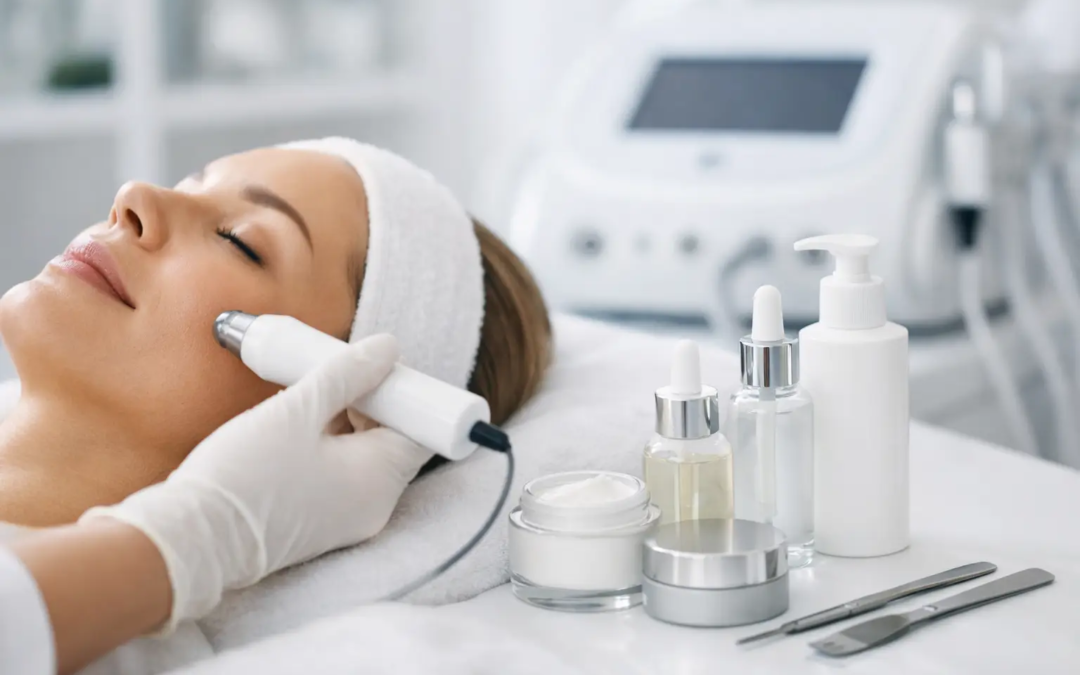
A luxury facial can leave skin glowing for a weekend. A medical-grade approach is built to do more than that. It aims to improve how the skin functions and looks over time. In practice, that can mean using chemical peels to speed cell turnover, microneedling to stimulate collagen, BroadBand Light to target visible sun damage, or skin tightening devices to address laxity before it becomes more advanced.
That said, stronger is not always better. The best treatment is the one your skin can tolerate and benefit from consistently. For some clients, that is a series of corrective treatments. For others, it starts with barrier repair, gentle resurfacing, and a slower plan.
A medical grade skincare treatment guide by concern
The fastest way to narrow your options is to start with your main concern, not the trend of the moment. Many treatments can improve multiple issues, but one primary goal usually drives the plan.
If your skin looks dull, rough, or congested
When the issue is buildup, uneven texture, or skin that feels tired, exfoliating treatments usually make the biggest visible difference early on. HydraFacial, dermaplaning, microdermabrasion, and oxygen facials can all refresh the skin, but they do it in different ways.
HydraFacial is often a strong choice when you want deep cleansing, extraction, hydration, and a polished glow without downtime. Dermaplaning works well for removing surface buildup and peach fuzz, which can instantly improve smoothness and makeup application. Microdermabrasion can help with mild roughness and congestion, though it is not always the first pick for very sensitive or inflamed skin. Oxygen facials are more supportive and soothing, especially when the goal is hydration and radiance rather than heavy correction.
If you want a treatment that feels refined and delivers immediate freshness, these options are often where a plan begins.
If acne marks, large pores, or early scars are the issue
This is where collagen-focused treatments usually earn their place. SkinPen microneedling is commonly recommended for improving the look of acne scarring, enlarged pores, and uneven texture because it encourages the skin to repair itself from within.
For some clients, adding PRP can support healing and enhance the rejuvenating effect. The so-called Vampire Facial appeals to people who want a more advanced regenerative treatment without surgery. It is not magic, and it is not ideal for everyone, but for the right candidate it can be a meaningful step toward smoother, healthier-looking skin.
Results here take patience. You may notice a fresher tone fairly quickly, but texture and scar softening usually improve gradually over a series of treatments.
If sun damage, redness, or brown spots are the concern
In South Florida, pigment and sun exposure are common reasons clients seek professional treatment. BroadBand Light, often called BBL, is a strong option for visible discoloration, redness, and signs of photoaging. It can help create a clearer, more even complexion when used appropriately and when the skin is carefully evaluated first.
Not every brown spot should be treated the same way, and not every skin tone responds identically. That is why assessment matters. Some pigmentation responds beautifully to light-based treatment, while other cases are better approached with peels, topical prep, or a combination plan designed to reduce irritation and avoid rebound discoloration.
If your skin feels loose or less firm
When the concern is mild to moderate laxity, skin tightening treatments can help restore a firmer appearance without surgery. Ultraformer III is often chosen for this category because it targets deeper layers to support tightening and contouring.
This type of treatment is less about an instant glow and more about gradual structural improvement. It tends to suit clients who want to stay ahead of aging changes or who are not ready for invasive procedures. Expectations matter here. Non-surgical tightening can be impressive, but it is still non-surgical. The right candidate usually wants improvement, not a dramatic surgical-type result.
If you want stronger resurfacing
Chemical peels can range from light brightening treatments to more intensive correction. A peel such as the Miami Peel may be recommended when acne, pigment, rough texture, or uneven tone need a more assertive approach.
Peels are effective because they create controlled exfoliation and renewal, but they also require good timing and preparation. If you have a busy social calendar, active sensitivity, or recent sun exposure, your provider may suggest waiting or choosing a gentler option first. Good peeling is not about how dramatic the flaking looks. It is about choosing the right depth for safe, visible improvement.
How to choose the right treatment plan
A good medical grade skincare treatment guide should make one point clear: the best treatment is rarely chosen in isolation. Skin responds better when the plan matches your history, lifestyle, age, skin tone, and tolerance for downtime.
If you want quick polish before an event, a HydraFacial, dermaplaning session, or oxygen facial may be enough. If your goal is correcting acne scars or laxity, you are usually looking at a series rather than a one-time appointment. If pigment is your main frustration, your treatment choice may also depend on how much sun exposure you get, whether your skin inflames easily, and how disciplined you are with aftercare.
This is also where honesty matters. Ethical providers do not recommend the most expensive service by default. They recommend the treatment most likely to move your skin forward safely.
Why consultations matter more than trends
A treatment that worked beautifully for a friend may be wrong for your skin. Social media often compresses skincare into before-and-after snapshots, but real skin health is more nuanced.
A proper consultation looks at more than your surface concern. It considers whether your barrier is compromised, whether your acne is active or residual, whether your redness is vascular or inflammatory, and whether your goals are maintenance, correction, or both. It also helps set a realistic timeline so you know if results will be immediate, progressive, or cumulative.
At a clinic such as Medical Advanced Skin Care, that kind of personalization is what turns treatment from a luxury indulgence into a thoughtful investment in long-term skin confidence.
What to expect after treatment
One reason people hesitate with advanced skincare is uncertainty about downtime. The truth is that recovery varies widely. A HydraFacial may leave you looking refreshed the same day. Microneedling can involve temporary redness. A stronger peel may come with visible shedding. Light-based treatments may darken pigment briefly before it clears.
None of that is inherently good or bad. It is simply part of choosing the right option for your calendar and comfort level. If you need low disruption, say so. There are excellent treatments that deliver results without forcing you into a full week of recovery.
Aftercare also matters more than many people realize. Sun protection, hydration, barrier support, and following post-treatment instructions can influence both your comfort and your outcome. The treatment may happen in a single appointment, but the result is shaped by what you do afterward.
Building results that last
The most impressive skin usually comes from consistency, not intensity. One well-timed laser or peel can create a visible shift, but lasting improvement often comes from a strategy that blends in-clinic treatments with maintenance and the right home care.
That may mean alternating corrective services with gentler maintenance facials. It may mean pairing microneedling with periodic brightening treatments, or using seasonal BBL sessions to stay ahead of sun damage. It depends on your skin and on what you want to preserve.
Beautiful results do not require chasing every new device or aggressive treatment menu. They require a plan that respects your skin, uses proven tools, and evolves as your needs change. When skincare is approached that way, it feels less overwhelming and much more rewarding.
The right treatment should leave you looking like yourself – clearer, smoother, healthier, and more confident each time you catch your reflection.