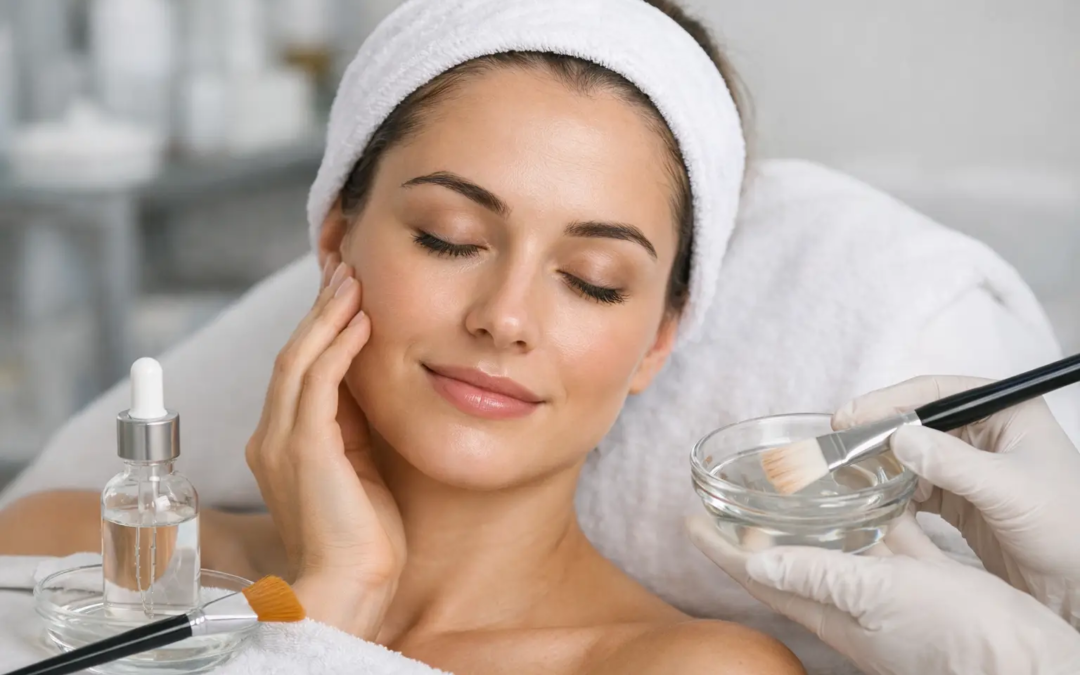
A chemical peel can do beautiful work for dullness, acne marks, rough texture, and uneven tone – but the result is shaped just as much by your preparation as the peel itself. If you are wondering how to prepare for chemical peel treatment, the goal is simple: arrive with calm, healthy skin and a clear plan for aftercare.
That sounds straightforward, but the details matter. Not every peel is the same, and not every skin type should prepare in the same way. A light peel before an event has different prep needs than a deeper corrective peel for pigmentation or acne scarring. The best outcomes come from a personalized approach, especially in South Florida, where heat and sun exposure can complicate healing.
How to prepare for chemical peel the right way
The first step is choosing the right provider and the right peel for your skin goals. This is not a treatment to book based on price alone. A medical aesthetics professional should evaluate your skin tone, sensitivity level, history of pigmentation, active breakouts, current skincare routine, and whether you are using products that may increase irritation.
This consultation is where good results begin. It helps determine whether your skin needs prep with brightening agents, whether a gentler peel is safer, and whether your timing makes sense. If you have a beach vacation, a wedding, or lots of outdoor time coming up, your provider may recommend waiting. That is not being overly cautious – it is part of protecting your skin and your investment.
In many cases, preparation starts about one to two weeks before treatment. For some clients, especially those prone to post-inflammatory hyperpigmentation or sensitivity, the prep period may be longer. The stronger the peel and the more corrective the goal, the more important this pre-treatment window becomes.
Adjust your skincare before your appointment
One of the biggest mistakes people make is showing up with skin that has been over-exfoliated. If you use retinoids, glycolic acid, salicylic acid, benzoyl peroxide, scrubs, or at-home peels, your provider may ask you to pause them several days before treatment. This gives your skin barrier time to settle.
The exact timeline depends on the product and your skin response. Some people can stop a retinol for three to five days and do well. Others need a full week or more, especially if they tend to run dry or reactive. Prescription-strength tretinoin often requires more caution than a mild over-the-counter retinol.
Keep your routine simple during this window. Think gentle cleanser, bland moisturizer, and daily sunscreen. If your skin is already irritated before the peel, the treatment can feel more intense and healing may be less predictable. Good prep is not about doing more. It is often about doing less, with more intention.
If you are using a physician-directed pigment program or acne regimen, do not stop everything on your own. Ask your provider what stays and what pauses. There is a difference between strategic prep and guessing, and that difference shows up in your results.
Sun protection is non-negotiable
If there is one rule that matters most before a peel, it is avoiding unnecessary sun exposure. Freshly tanned or sunburned skin is not ideal for treatment, and even mild sun exposure before your appointment can increase sensitivity and the risk of uneven pigmentation.
This is especially relevant in Florida. Driving, walking the dog, lunch outdoors, and time near water all add up. In the days leading up to your peel, wear a broad-spectrum sunscreen every day, reapply when needed, and use a hat or physical shade when possible. If your skin is visibly pink, warm, or recently burned, tell your provider. It may be safer to reschedule.
Clients sometimes worry that postponing treatment is a setback. Usually, it is the opposite. Treating skin that is calm and protected is one of the best ways to support a smoother recovery and a brighter, more even outcome.
Be honest about medications, treatments, and skin history
A safe peel starts with a complete medical and skincare history. Certain medications and recent treatments can affect whether a peel is appropriate and how your skin will respond.
Tell your provider if you have used isotretinoin in the past, if you are prone to cold sores, if you have eczema, rosacea, or psoriasis, or if you are pregnant or breastfeeding. Mention any recent waxing, laser treatments, microneedling, dermaplaning, or facial hair removal in the area being treated. Skin that has been recently sensitized may need more time before a peel.
This is also the time to discuss any history of hyperpigmentation or keloid scarring. That does not automatically rule out treatment, but it may change the type of peel selected, the strength used, or the prep products recommended. Ethical providers do not force a treatment when the timing or skin condition is not right. They guide you toward the safest path to visible improvement.
What to avoid in the days before a peel
When clients ask how to prepare for chemical peel appointments, they are often really asking what not to do. A few simple precautions can make a major difference.
Avoid waxing, threading, depilatory creams, and aggressive exfoliation on the treatment area for several days beforehand. Skip tanning beds entirely. Try not to pick at blemishes, peel flaky skin, or use new skincare products right before your appointment. Even a product marketed as gentle can trigger irritation if your skin does not agree with it.
It is also wise to avoid scheduling your peel immediately before a major event unless your provider confirms the timing is appropriate. Some peels involve mild flaking for a few days. Others can create more visible peeling, tightness, or dryness. Wanting glow is understandable. Wanting zero downtime from a corrective treatment is not always realistic.
The day before and day of treatment
The day before your peel, keep your routine calm and consistent. Cleanse gently, moisturize, and protect your skin from sun exposure. Do not try to “help” the peel work better by exfoliating the night before. That usually backfires.
On the day of treatment, come in with clean skin unless your provider gives you different instructions. Skip makeup, self-tanner, and heavily fragranced skincare. If your hairline or facial hair area is being treated, keeping the skin free of styling products can also help.
Hydration matters, but this is not a treatment where you need to overthink food or water unless your provider says otherwise. A normal meal and good hydration are usually enough. If you are nervous, that is completely normal. Knowing what type of peel you are getting, what you may feel during application, and what recovery may look like often helps clients feel more comfortable before they arrive.
Set up your aftercare before your peel
Preparation is not only about what happens before treatment. It is also about making the next several days easy on yourself. Have a gentle cleanser, a recommended moisturizer, and daily sunscreen ready at home. If your provider gives you post-care instructions in advance, read them before your appointment, not after.
This small step prevents common mistakes. Clients are more likely to do well when they are not stopping at the store afterward trying to guess which products are safe. You should already know what to use, what to avoid, and when to restart active ingredients.
Plan your calendar with some flexibility. Even if your peel is light, your skin may feel dry or look slightly flushed for a day or two. If your peel is stronger, peeling may become more visible around days two to four. That does not mean something is wrong. It means your skin is moving through a controlled renewal process.
Know what results depend on
A chemical peel is not magic, and that is actually good news. It means your results are not random. They are influenced by the strength of the peel, the condition of your skin going in, the consistency of your home care, and how well you protect your skin afterward.
Some clients see a fresh glow after one treatment. Others need a series for acne marks, discoloration, or textural concerns. Both experiences are normal. The right expectation is not instant perfection. It is steady improvement with a treatment plan tailored to your skin.
At Medical Advanced Skin Care, this is where clinical expertise matters most. A personalized peel strategy can help you improve brightness, clarity, and texture while respecting your skin barrier and long-term skin health.
If you are planning your first peel, think of preparation as part of the treatment, not an extra step. Calm skin, honest communication, and the right timing create the kind of results that look healthy, refined, and truly worth it.