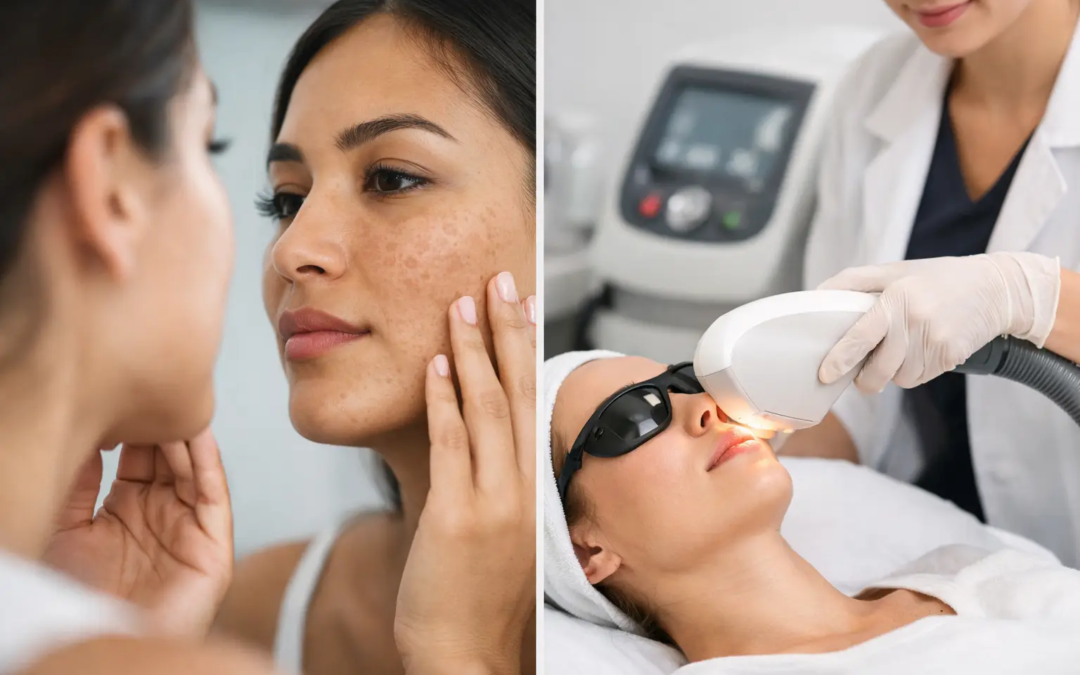
Uneven skin tone rarely shows up as just one issue. For some people, it is scattered sun spots across the cheeks. For others, it is lingering redness, post-acne marks, or a dull, blotchy look that makeup never fully corrects. If you are considering bbl for uneven skin tone, the real question is not whether light-based treatment can help. It is whether your discoloration, skin type, and goals make you a strong candidate for the right plan.
BroadBand Light, commonly called BBL, is one of the most effective non-surgical options for improving visible discoloration and restoring a clearer, more balanced complexion. It uses pulses of light energy to target pigment and redness in the skin, helping the complexion look brighter, more even, and more refined over time. When performed with the right settings and a personalized approach, it can deliver meaningful improvement without the downtime many patients want to avoid.
What causes uneven skin tone in the first place?
Uneven tone is a broad concern, and that matters because treatment should match the cause. What looks like general discoloration may actually be a mix of sun damage, vascular redness, acne marks, melasma, inflammation, or age-related pigmentation.
In South Florida, sun exposure is one of the most common contributors. UV exposure can trigger excess pigment production, leaving behind freckles, brown spots, and patchy darkening that becomes harder to fade with topical skincare alone. Some patients also struggle with diffuse redness from broken capillaries or sensitive skin, which creates a flushed or blotchy appearance even when the skin is otherwise healthy.
Hormonal changes can complicate the picture. Melasma, for example, often appears as symmetrical patches of brown or gray-brown discoloration and may not respond the same way as standard sun spots. That is where a professional evaluation becomes especially important. Not every case of uneven tone should be treated with the same device or intensity.
How BBL for uneven skin tone works
BBL uses broad-spectrum light to deliver controlled energy into the skin. That light is absorbed by targeted chromophores, primarily melanin for brown spots and hemoglobin for visible redness. The unwanted pigment or vascular lesion then breaks down and is gradually cleared by the body.
In practical terms, that means BBL can improve several concerns at once. Brown sun spots may darken briefly before flaking away. Redness may soften as visible vessels become less pronounced. The overall complexion often looks brighter and more consistent after a series of treatments.
One reason BBL remains so popular is that it can address tone irregularities without damaging the surrounding tissue in the way more aggressive procedures sometimes do. There is still heat involved, and treatment needs to be carefully selected, but for the right patient it offers a strong balance of visible results and manageable downtime.
What BBL can improve and where expectations should stay realistic
BBL is especially effective for sun damage, age spots, freckles, facial redness, and certain post-inflammatory marks. Patients often notice that their skin looks clearer, smoother, and healthier overall, not just lighter in isolated spots. This is part of what makes the treatment appealing. It tends to create a fresher-looking complexion rather than a treated look.
That said, results depend on what is causing the discoloration. Flat brown spots from sun exposure usually respond well. Redness from superficial vessels can also improve nicely. Deeper pigment, hormonally driven melasma, and discoloration linked to active acne or ongoing inflammation may require a more cautious plan.
This is where ethical treatment recommendations matter. If a patient has melasma-prone skin, aggressive heat can sometimes make pigmentation worse rather than better. In those cases, a provider may adjust the treatment strategy, combine modalities, or suggest a different path first. Better skin comes from precision, not pushing a one-size-fits-all service.
Who is a good candidate for BBL for uneven skin tone?
The best candidates are generally patients with lighter to medium skin tones who want to improve sun damage, redness, or blotchiness without surgery or extended downtime. They are often people who feel their skin looks tired, weathered, or older than it should, even when they take good care of it.
A consultation is important because skin type, recent sun exposure, medical history, and the type of discoloration all affect safety and outcomes. Patients who tan easily, have deeper skin tones, are pregnant, are using certain medications, or have active skin irritation may need another treatment route or a delayed timeline.
Good candidacy is not just about skin tone on a chart. It is also about behavior. BBL works best for patients who are willing to protect their results with strict sun care and follow post-treatment guidance. In Florida especially, that commitment matters.
What treatment feels like and what recovery looks like
Most patients describe BBL as a quick snapping or warming sensation on the skin. The treatment is usually well tolerated, and sessions are relatively efficient depending on the areas being addressed. A cooling component can help improve comfort throughout the appointment.
After treatment, the skin may look pink or feel warm, similar to a mild sunburn. Pigmented spots often darken temporarily before they shed. Redness may soften gradually over the following days. Many people return to normal activities quickly, though sun protection is non-negotiable.
Recovery is one of the main reasons patients choose BBL. There is usually less downtime than with more intensive resurfacing treatments, but that does not mean aftercare is optional. Skincare products may need to be adjusted for a few days, and unprotected sun exposure can compromise both safety and results.
How many BBL sessions are usually needed?
Some patients see improvement after one treatment, especially when the concern is mild sun damage or isolated redness. More often, a series of treatments is recommended to build more complete correction and a smoother overall result.
The exact number depends on the degree of discoloration, how long it has been present, and whether maintenance is part of the plan. A patient with scattered pigment from years of sun exposure will usually need a different approach than someone with a few recent post-acne marks. Maintenance treatments can also be helpful because skin continues to age, and South Florida sun is persistent.
When patients think long term, BBL often becomes part of a broader skin health strategy rather than a one-time fix. That approach tends to produce the most satisfying results.
BBL and skincare work better together
Light-based treatment can do a great deal, but it performs best when paired with supportive skincare. Medical-grade products that help regulate pigment, calm inflammation, and protect against UV damage can improve both treatment response and longevity.
This matters because uneven tone is often created by repeated triggers. If you clear existing discoloration but continue to accumulate daily UV exposure or irritation, the cycle starts again. The most refined results usually come from combining in-office technology with personalized home care.
For some patients, that may include brightening ingredients, gentle exfoliation, barrier support, and daily sunscreen. For others, a provider may recommend spacing BBL alongside treatments such as chemical peels or microneedling, depending on the skin’s needs and tolerance.
Why personalized treatment planning matters
A polished result is not just about removing dark spots. It is about reading the skin correctly. The same patient can have redness around the nose, pigment on the cheeks, texture changes on the forehead, and sensitivity across the entire face. Treating only one layer of the concern may leave the skin looking better, but not fully balanced.
That is why personalized planning is central to quality aesthetic care. The right provider looks at your skin history, not just your skin today. They consider whether your discoloration is stable or reactive, whether you are prone to hyperpigmentation, and whether your goals are best met by BBL alone or by a more comprehensive plan.
At a clinic like Medical Advanced Skin Care, that level of customization is part of the experience. Patients want visible change, but they also want confidence that the treatment is being selected for their skin, not sold to every person who walks through the door.
Is BBL worth it for uneven skin tone?
For the right candidate, yes. BBL can be an excellent treatment for uneven skin tone because it addresses one of the most visible signs of skin aging and sun damage in a way that feels efficient, polished, and non-surgical. It can brighten the complexion, reduce blotchiness, and help skin look healthier without pushing patients into an overly aggressive recovery.
Still, the best answer is a nuanced one. BBL is highly effective for many forms of discoloration, but not every type of pigment should be treated the same way. The value comes from matching the treatment to the skin in front of you.
If your complexion looks patchy, dull, sun damaged, or persistently red, a thoughtful consultation can clarify whether BBL is the right fit and what kind of result is realistic. Sometimes the biggest change is not chasing perfect skin. It is finally having a treatment plan that makes your skin look like itself again, only clearer, calmer, and more confident.