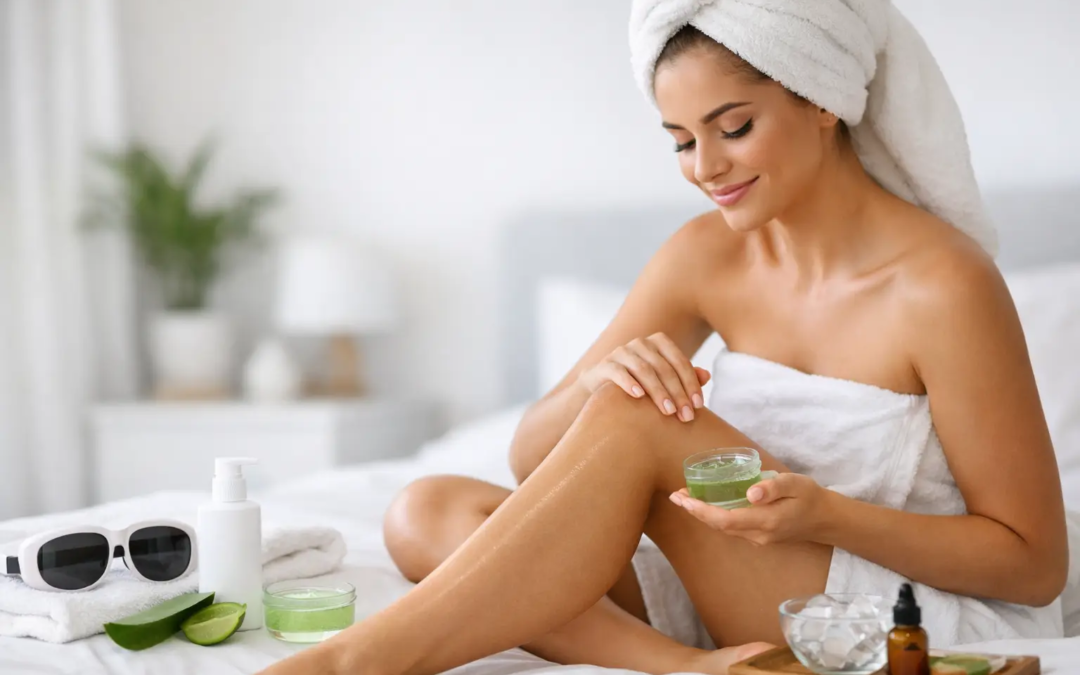
Your treatment may be over in minutes, but what you do in the next 24 to 72 hours has a real effect on comfort, healing, and results. The best laser hair removal aftercare tips are not complicated, but they do require consistency – especially in South Florida, where heat, humidity, and sun exposure can make freshly treated skin more reactive.
Laser hair removal works by targeting pigment in the hair follicle with controlled heat. That means mild redness, warmth, and temporary sensitivity are normal right after a session. Good aftercare helps calm that response, lowers the chance of irritation, and supports a smoother experience from one visit to the next.
Why laser hair removal aftercare tips matter
After treatment, the skin is more vulnerable to heat, friction, and inflammation. Even clients who usually tolerate skincare well may notice that their skin feels tender, flushed, or slightly itchy for a day or two. This is especially common in delicate areas like the bikini line, underarms, upper lip, and neck.
Following thoughtful aftercare is not about being overly cautious. It is about protecting skin that has just received a clinical treatment. The better you care for the area afterward, the more comfortable recovery tends to be and the less likely you are to deal with avoidable issues like prolonged redness, ingrown hairs, or post-treatment sensitivity.
What to expect right after treatment
Most people leave their appointment with skin that looks mildly pink, similar to a light sun exposure. You may also notice slight swelling around the hair follicles, sometimes called perifollicular edema. That can sound technical, but it is usually a short-lived sign that the laser targeted the follicle correctly.
This reaction often settles within a few hours, though some areas may stay warm or sensitive until the next day. Coarser hair and denser treatment zones can react a bit more strongly. That does not always mean something is wrong – it often means the area was responsive.
If your provider has given you specific post-treatment instructions, those should always come first. Skin type, treatment area, hair density, and the settings used can all influence what aftercare is best for you.
The first 24 hours: keep things cool and simple
The most important rule after laser hair removal is to reduce heat in every form. That means skipping hot showers, steam rooms, saunas, hot tubs, intense workouts, and anything else that raises skin temperature. Heat can make redness linger longer and may increase irritation.
A cool compress can help if the area feels warm. Keep it gentle – no ice directly on the skin. You want relief, not additional stress. Wear loose, breathable clothing if the body was treated, particularly after underarm, bikini, or leg sessions where friction can be uncomfortable.
This is also the time to keep skincare minimal. A bland, fragrance-free moisturizer is usually enough. If your skin feels sensitive, this is not the moment for exfoliating acids, retinoids, scrubs, or active body products. Clinical treatments respond best when aftercare is calm and uncomplicated.
Sun protection is not optional
One of the most valuable laser hair removal aftercare tips is also the one people underestimate most: avoid direct sun exposure before and after treatment. Freshly treated skin is more prone to irritation and discoloration when exposed to UV light.
In South Florida, this matters year-round. Even short periods outside – driving, walking the dog, sitting by a window, or running errands – can add up. If the treated area is exposed, use a broad-spectrum sunscreen with SPF 30 or higher once the skin is no longer irritated enough to make product application uncomfortable. Protective clothing and shade are just as important.
If you are treating the face, upper lip, chest, arms, or legs, careful sun protection is part of protecting your investment. Tanned skin also affects treatment planning, which is one reason providers often stress consistency with SPF between sessions.
Skip anything that can irritate the skin
For at least a few days, think in terms of less friction, less heat, and fewer active ingredients. Avoid exfoliating gloves, loofahs, body scrubs, glycolic or salicylic acid products, retinol, benzoyl peroxide, and strongly fragranced lotions on the treated area unless your provider tells you otherwise.
If you had facial laser hair removal, be cautious with makeup too. Many clients can return to makeup quickly, but if the skin is still warm or irritated, it is smarter to give it time. Clean brushes, gentle formulas, and a light hand matter more than trying to get back to your full routine immediately.
Pools and ocean water can be another gray area. Some people do fine after a short wait, while others experience stinging or irritation, especially in sensitive zones. If the skin is still visibly red or tender, it is better to hold off.
What to do about shedding hair
A common point of confusion is what happens after the appointment. Hair does not vanish on the spot. Over the next one to three weeks, treated hairs gradually shed from the follicle. This can look like regrowth, but it is often part of the normal process.
Do not wax, tweeze, or thread between sessions. Those methods remove the hair root, and the laser needs that target in place. Shaving is usually fine once the skin has settled, and in fact it is the preferred method between appointments.
If hairs seem trapped as they begin to shed, resist the urge to pick. Gentle cleansing and patience are usually enough. Once your provider says it is safe, mild exfoliation may help, but timing matters. Starting too early can create irritation where there did not need to be any.
Sensitive areas need a little extra care
Not all treatment areas behave the same way. Underarms and bikini areas deal with friction, sweat, and occlusion, which can make them feel more reactive after treatment. Facial areas are more visible and often layered with skincare products, sunscreen, and makeup. Legs may seem easier, but they can still be irritated by exercise, shaving too soon, or sun exposure.
This is where personalized aftercare makes a difference. A medical aesthetics provider should guide you based on your skin history, not a one-size-fits-all handout. Someone prone to ingrown hairs may need different advice than someone with highly sensitive skin or increased pigment in the treatment area.
At Medical Advanced Skin Care, that individualized approach matters because the goal is not only hair reduction. It is smooth, healthy-looking skin that feels cared for at every stage of the process.
When to reach out to your provider
Some redness and sensitivity are expected. Persistent swelling, blistering, crusting, or increasing discomfort are not things to ignore. If something feels more intense than what you were told to expect, contact your provider rather than trying to self-treat with random products at home.
This is especially important if you have a history of pigment changes, reactive skin, cold sores in facial treatment areas, or recent sun exposure that was not disclosed before treatment. Good providers would rather answer a quick question early than have a small issue turn into a longer recovery.
Aftercare between sessions affects long-term results
Laser hair removal is a series, not a single visit. Hair grows in cycles, and treatments are timed to catch follicles in the right phase. That means your habits between appointments matter more than many people realize.
If you are inconsistent with sun protection, keep using irritating products too soon, or miss appointments by long stretches, results can feel slower. On the other hand, when you follow aftercare well and stay on schedule, the process is usually smoother and more predictable.
This is also why realistic expectations matter. Some areas respond quickly, while hormonally influenced zones may take longer or need maintenance. Aftercare supports the process, but it does not replace proper treatment planning.
The best mindset after laser hair removal
Treat the area like skin that has had a professional procedure, not like skin that should bounce back instantly because the treatment was quick. Be gentle, protect it from heat and sun, and keep your routine simple until sensitivity settles.
Luxury care is not about doing more. Often, it is about doing the right amount, at the right time, with expert guidance behind it. When aftercare is handled well, you give your skin the best chance to stay calm, clear, and confident between every session.
The small decisions you make after your appointment – choosing the cool shower, skipping the workout, reaching for sunscreen, waiting on exfoliation – are often the ones that help your results look and feel their best.