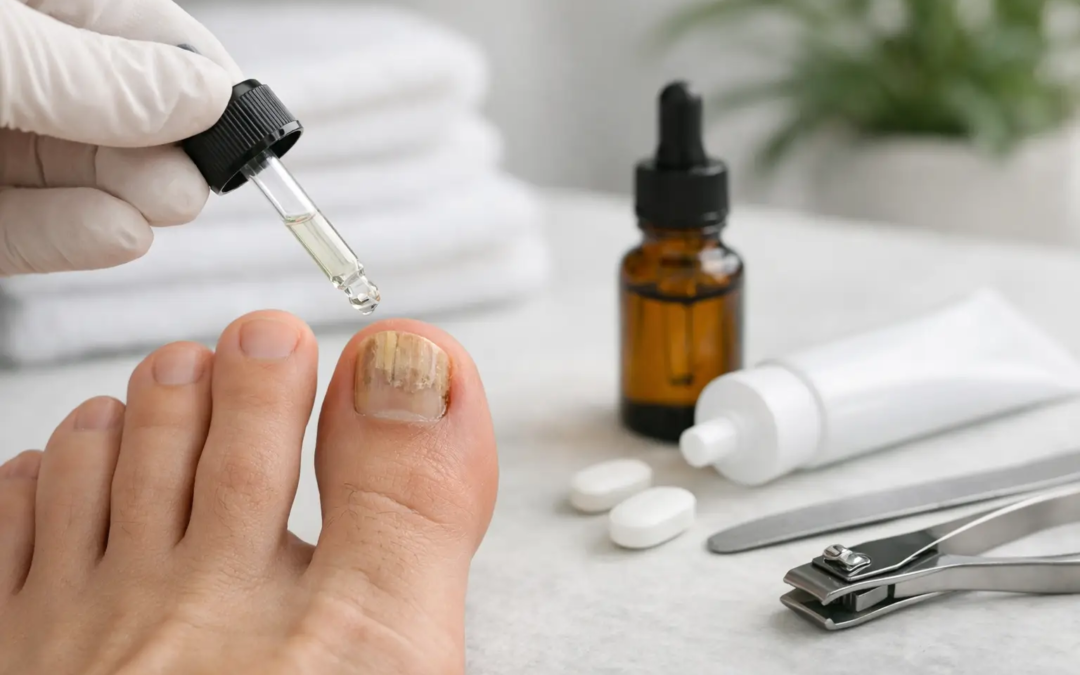
That thickened, yellowed nail usually does not stay a small cosmetic issue for long. For many adults, toenail fungus treatment options become a priority when sandals feel off-limits, polish stops hiding the problem, or the nail starts to lift, crumble, or catch on socks. The good news is that there are several ways to treat fungal nails. The less glamorous truth is that the best option depends on how advanced the infection is, how many nails are involved, your health history, and how patient you can be with regrowth.
Why toenail fungus is so stubborn
Toenail fungus lives in a place that is hard to reach and slow to heal. The organism can settle under the nail plate, inside the nail bed, or around the edges of the nail where creams do not penetrate easily. Add warm shoes, sweaty feet, communal floors, and slower nail growth, and you have the perfect setup for a problem that tends to linger.
This is also why quick fixes disappoint so many people. Even when treatment is working, the damaged part of the nail does not magically turn clear overnight. A healthier nail has to grow in gradually, which can take many months. That delay makes treatment feel uncertain unless you know what to expect.
Toenail fungus treatment options: what actually helps
There is no single best treatment for everyone. Some infections respond to conservative care. Others need a more aggressive plan, especially when the nail is thick, painful, or extensively discolored.
Topical treatments
Topical antifungal solutions and lacquers are often the first thing people try. They appeal to patients who want a non-invasive, low-commitment option and prefer to avoid oral medication. In early or mild cases, especially when only part of one nail is affected, they can help.
The limitation is penetration. If the fungus is deep under a thickened nail, a topical may not reach the source well enough to clear it. These treatments also require consistency, often for many months. Missing applications matters. For patients who are highly disciplined and catching the problem early, topicals may be a reasonable place to start. For more advanced cases, they are often better as part of a larger plan rather than the whole plan.
Oral antifungal medication
Prescription oral antifungal medication is often one of the more effective medical approaches because it works from within as the nail grows. For some patients, this is the fastest route to meaningful improvement, particularly when several nails are involved or the infection has spread across most of the nail.
That said, oral medication is not ideal for everyone. It may require lab monitoring, and it can be a poor fit for patients with certain liver conditions, medication interactions, or personal preferences against systemic treatment. It is a strong option, but it should be chosen thoughtfully rather than casually.
Professional nail trimming and debridement
Reducing thickness matters more than many people realize. When a fungal nail is professionally trimmed or thinned, pressure improves, discomfort may decrease, and topical products may penetrate more effectively. This is not usually a standalone cure, but it can make other treatments work better and help the nail look and feel more manageable during the process.
For patients bothered by bulky, uneven nails in shoes, this supportive step can bring real relief while the longer treatment plan does its work.
Laser treatment
Laser-based treatment has become increasingly appealing for adults who want a drug-free option with a more advanced, clinical feel. In general, laser energy is used to target the fungus in and around the nail without damaging surrounding tissue. Many patients like this approach because it is performed in-office, does not rely on daily at-home effort in the same way topicals do, and aligns well with a results-focused treatment philosophy.
The key nuance is that laser is not magic and it is not always one-and-done. Some patients need multiple sessions, and outcomes vary depending on the severity of the infection and whether home care and prevention are taken seriously afterward. Still, for patients who want a professional solution with minimal downtime, it can be one of the most attractive toenail fungus treatment options available.
Combination treatment
This is often where the best results happen. A patient may have the nail thinned professionally, use a topical at home, and complete a series of laser treatments. Someone else may combine oral medication with careful nail care and prevention measures. A layered plan makes sense because fungal infections are persistent for a reason. Addressing the issue from more than one angle often improves the odds of success.
When home remedies fall short
Tea tree oil, vinegar soaks, over-the-counter creams, and internet hacks are common first attempts. Some may slightly improve surface appearance or help with surrounding skin irritation, but they rarely resolve a true nail infection once it is established deep in the nail.
The risk is not just wasted time. While someone is hoping a pantry remedy will work, the fungus may continue spreading and the nail may become thicker, more brittle, and harder to treat. If you have been trying home care for months without clear progress, that is usually a sign to step up to professional evaluation.
How to choose the right treatment plan
The right plan starts with an honest look at the nail itself. Is one nail involved or several? Is the nail mildly discolored or severely thickened and lifting? Is there pain? Has the issue been present for years? Those details matter because they help determine whether a conservative treatment has a realistic chance or whether a more advanced approach will save time and frustration.
Your medical history matters too. If you are pregnant, managing chronic health conditions, or taking medications that limit the use of oral antifungals, that changes the conversation. Lifestyle matters as well. If you are often in closed shoes, use locker rooms, get regular pedicures, or have a history of recurrent fungal infections, prevention has to be part of the plan from the start.
This is where a personalized consultation makes the difference. A polished, medically guided treatment plan should not promise miracles. It should explain what is treatable, what will take time, and what kind of maintenance may be needed to protect the result.
What results really look like
One of the most reassuring things patients can hear is also one of the least flashy. Improvement usually starts at the base of the nail, not at the tip. In other words, a healthier nail grows in gradually while the damaged portion grows out. That means visible change takes time, even when treatment is successful.
For toenails, full regrowth can take close to a year and sometimes longer. This is why patience matters, and why before-and-after expectations should be realistic. You are not waiting for the old nail to clear up. You are waiting for a new, healthier nail to replace it.
Preventing the fungus from coming back
Recurrence is one of the biggest frustrations with fungal nails. Treating the nail without changing the environment that allowed the fungus to thrive can lead to the same cycle all over again.
Shoes should be kept dry and rotated when possible. Socks should be changed promptly after sweating. Nail tools should be cleaned carefully. Public wet areas call for sandals. If your feet are prone to moisture, managing that consistently is part of treatment, not an extra step. Pedicures can still be part of your routine, but sanitation standards matter.
For many patients, maintenance is the missing piece. The infection improves, they stop thinking about it, and months later the discoloration returns. Long-term nail health often depends on a few simple habits done consistently.
When professional care makes the most sense
If the nail is thick, painful, spreading, or simply not responding to what you have already tried, professional treatment is worth considering. It offers clarity, which is often what patients need most. Not every discolored nail is fungal, and not every fungal nail should be treated the same way.
At a clinic where clinical expertise meets luxury care, the goal is not just to treat the visible nail. It is to create a plan that fits your health, your lifestyle, and your expectations. Medical Advanced Skin Care offers professional toenail fungus treatment with that personalized mindset, helping patients pursue clearer nails with comfort and confidence.
Clearer nails rarely come from guesswork. They come from choosing the right level of treatment at the right time, then giving healthy regrowth the patience it deserves.