
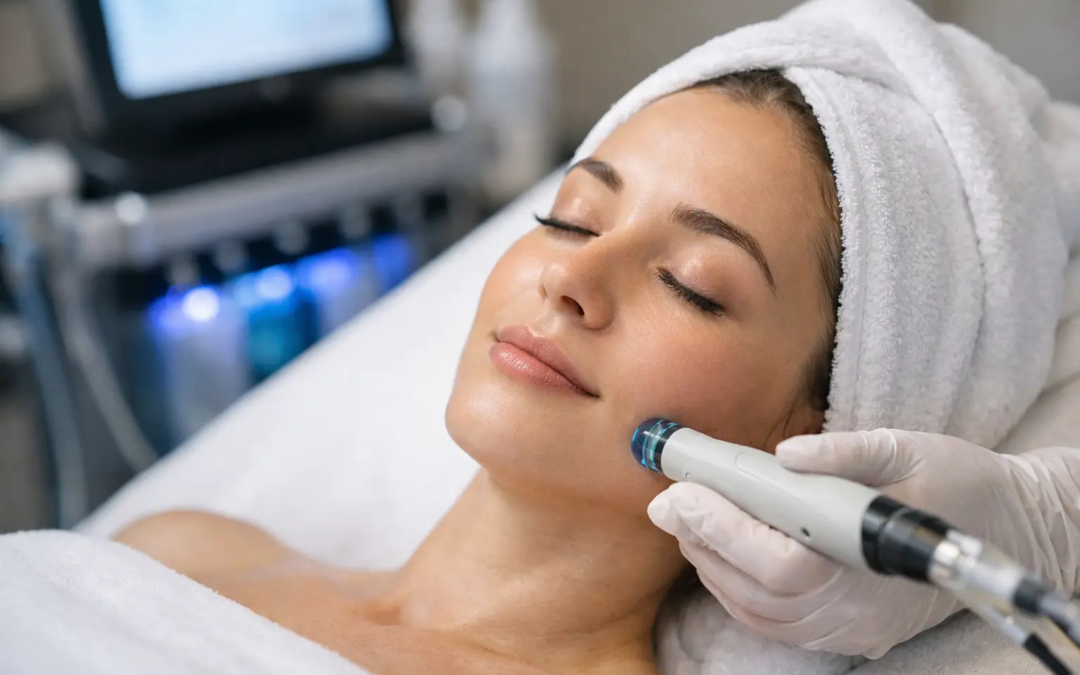
If your skin reacts to everything – weather changes, active serums, exfoliating masks, even a new cleanser – the idea of a professional facial can feel risky. That is exactly why hydrafacial for sensitive skin is such a common question in a medical aesthetics setting. People want the glow, the hydration, and the smoother texture, but they do not want the redness, stinging, or post-treatment regret.
The good news is that a HydraFacial can be an excellent option for many people with sensitive skin when it is performed thoughtfully and customized correctly. The more honest answer is that not all sensitivity looks the same, and not every client should receive the same protocol. That is where clinical judgment matters.
Why HydraFacial can work for sensitive skin
A HydraFacial is designed to cleanse, exfoliate, extract, and infuse the skin with hydrating and targeted serums in one treatment. What makes it appealing for sensitive skin is that it can be gentler than many traditional facials that rely on manual extractions, abrasive scrubs, or stronger acids used without enough customization.
The treatment uses a controlled vortex delivery system rather than aggressive physical exfoliation. For the right client, that often means less friction and less unnecessary irritation. Skin can feel cleaner, softer, and more hydrated without the raw, overheated feeling that some people associate with facials.
Hydration also matters more than many sensitive-skin clients realize. Often, skin that seems reactive is also dehydrated and dealing with a weakened barrier. When barrier function is compromised, skin becomes more likely to sting, flush, and overreact. A well-planned HydraFacial can support skin comfort by replenishing moisture while removing buildup that keeps products from working efficiently.
HydraFacial for sensitive skin is not one-size-fits-all
This is the part that gets overlooked. Sensitive skin is a broad term, not a diagnosis. One person may have mild reactivity and dryness. Another may be dealing with rosacea, visible capillaries, post-inflammatory irritation, eczema-prone skin, acne sensitivity, or a damaged barrier from overusing retinoids and acids.
That distinction matters because the same treatment can feel restorative for one person and too stimulating for another. A client with mild sensitivity may do beautifully with a gentle exfoliation and deeply hydrating infusion. Someone with an active flare-up, inflamed rosacea, or compromised skin after sun exposure may need to postpone treatment or modify it significantly.
This is why the best HydraFacial experience for sensitive skin starts before the device ever touches the face. A proper consultation should include a review of your skin history, current products, known triggers, recent treatments, and how your skin typically behaves after exfoliation or heat exposure.
Who may be a good candidate
In many cases, HydraFacial is a strong choice for clients who want refreshment without an aggressive recovery period. It may be appropriate for people who experience dullness, mild congestion, dehydration, rough texture, or occasional sensitivity that worsens when the skin barrier is neglected.
It can also be helpful for clients who have avoided facials because they assume every treatment will be harsh. When customized carefully, the experience can feel more soothing than expected.
That said, being a good candidate depends on timing and skin condition. If your skin is actively inflamed, peeling, burning, or recovering from a recent procedure, the safest choice may be to focus on calming and barrier repair first. Ethical treatment planning always puts skin health ahead of squeezing in an appointment.
When extra caution is needed
There are situations where a HydraFacial should be adjusted or delayed. If you have rosacea that is currently flaring, a rash, sunburn, open areas, or severe product irritation, your provider may recommend waiting. The same is true if you recently used a strong peel, started prescription topicals, or had another advanced treatment that left the skin more vulnerable.
Sensitivity can also be caused by over-treatment at home. It is very common to see clients using exfoliating acids, retinoids, vitamin C, acne products, and scrubs all in the same routine, then wondering why their skin is reactive. In those cases, a provider should not simply add more stimulation. The smarter plan is often to simplify the routine, calm the skin, and choose treatment settings conservatively.
What a customized treatment should look like
A HydraFacial for sensitive skin should never feel like a standard protocol pulled off a menu. Customization is the treatment.
That usually means choosing gentler exfoliation, avoiding unnecessary intensity, and selecting serums that support hydration and skin comfort rather than pushing the skin too hard. It may also mean modifying suction levels, limiting passes over reactive areas, or skipping steps that are not appropriate that day.
For some clients, less is more. The goal is not to see how much your skin can tolerate. The goal is to improve skin quality while preserving barrier function and minimizing inflammation. When sensitive skin is treated with that mindset, results tend to be better and more consistent.
In a clinical setting, your provider should also look beyond the treatment itself. They should ask what you are using at home, whether your skin flushes easily, whether you are prone to allergies, and whether your sensitivity is new or longstanding. Those details shape the safest and most effective approach.
What to expect after treatment
Many clients notice that their skin looks fresher, smoother, and more hydrated shortly after a HydraFacial. With sensitive skin, a little temporary pinkness can happen, but the treatment should not leave you feeling inflamed for days. If it does, the protocol may have been too aggressive for your current skin condition.
Aftercare is simple but important. Your skin should be treated gently for the next day or two. That means avoiding harsh exfoliants, very hot water, excessive heat, and any products that usually trigger burning or redness. Daily sunscreen is essential, especially in South Florida, where UV exposure can quickly aggravate already reactive skin.
The best outcomes often come from pairing in-office treatment with a calm, medical-grade home routine that supports the barrier. That does not mean using more products. It usually means using better-selected products.
Benefits people with sensitive skin often notice
When HydraFacial is done well, the biggest difference is not just glow. It is comfort. Skin may feel less tight, more balanced, and less rough to the touch. Makeup tends to sit better. Dry patches may look softer. Congested areas can appear cleaner without the trauma of aggressive extractions.
Some clients also find that once the skin is better hydrated and less burdened by buildup, they tolerate their home care products more easily. That does not mean HydraFacial cures sensitivity. It means healthier skin function often looks calmer and behaves more predictably.
There is also a practical advantage. For people who want visible improvement without the downtime of a stronger peel or more intensive resurfacing treatment, HydraFacial can sit in a sweet spot. It offers maintenance, polish, and hydration in a way that many sensitive clients appreciate.
How often should sensitive skin get a HydraFacial?
It depends on your goals and how your skin responds. Some clients benefit from monthly treatments as part of a long-term skin health plan. Others do better spacing appointments farther apart, especially if their skin is reactive seasonally or they are rebuilding from prior irritation.
Frequency should be based on your skin, not a generic schedule. A provider focused on long-term results will adjust treatment timing around your barrier health, sun exposure, travel, active breakouts, and other procedures. That kind of planning is part of what makes professional care feel different from a spa add-on.
Choosing the right provider matters as much as the treatment
With sensitive skin, technology alone is not enough. Results depend on who is evaluating your skin and how willing they are to tailor the treatment in real time. A polished treatment room and a popular facial name do not automatically equal safe care.
Look for a provider who takes sensitivity seriously, asks detailed questions, and is comfortable saying, “Not today,” if your skin needs something else first. That level of honesty protects your skin and builds trust. At Medical Advanced Skin Care, that kind of personalized, clinically guided approach is central to achieving visible results without compromising skin comfort.
If you have been curious about HydraFacial but hesitant because your skin is easily irritated, the answer is not to guess. The right consultation can tell you whether your skin needs hydration, a modified treatment, or a different plan altogether – and that clarity is often the first real step toward calmer, healthier-looking skin.