A breakout rarely shows up at a convenient time. It appears before photos, before events, before work presentations, and often after you thought your skin was finally calming down. If you are asking, does HydraFacial help acne, the short answer is yes – for many people, it can. But the better answer is that it depends on the type of acne, the condition of your skin barrier, and how thoughtfully the treatment is customized.
HydraFacial is often associated with glow, hydration, and smoother texture, but it can also play a helpful role in acne care. The reason is simple: acne is not just about oil. It involves congestion, dead skin buildup, inflammation, bacteria, and sometimes irritation from using too many products at once. A well-performed HydraFacial can address some of those issues without the roughness that often comes with more aggressive facials.
Does HydraFacial help acne or just improve the look of skin?
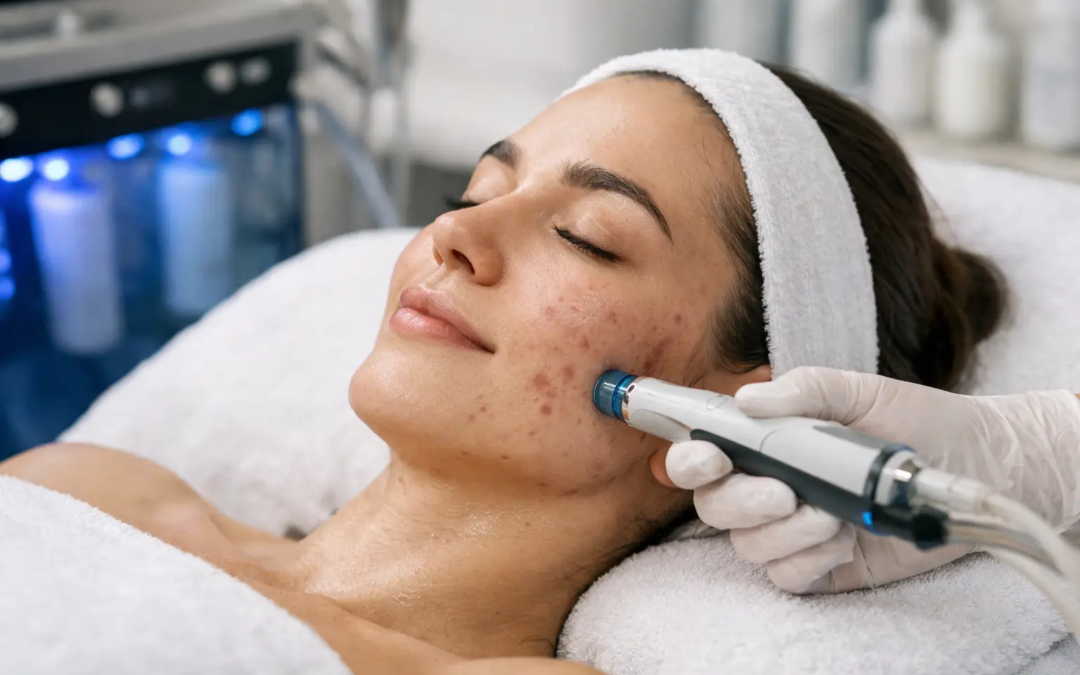
For the right candidate, HydraFacial can do more than create a temporary glow. It uses a multi-step process to cleanse, exfoliate, extract debris from pores, and infuse the skin with targeted serums. When acne is driven by clogged pores, excess oil, and uneven exfoliation, that process can help reduce the conditions that allow blemishes to form.
Many clients notice that their skin feels cleaner, looks less dull, and develops fewer small congested bumps after treatment. It can be especially useful for blackheads, whiteheads, oily skin, and mild breakout-prone skin that needs regular maintenance. It may also support clearer skin when your current home routine is not fully reaching deep congestion.
That said, HydraFacial is not a cure for every kind of acne. If you have deep cystic breakouts, widespread inflammation, or acne tied to hormonal changes, HydraFacial may be only one piece of the plan. In those cases, real progress usually comes from combining professional treatments with the right medical-grade skincare and a schedule that matches your skin’s behavior.
How HydraFacial can help acne-prone skin
The biggest strength of HydraFacial is that it treats acne-prone skin in a controlled, non-abrasive way. Traditional extractions can be uncomfortable and sometimes leave the skin red or irritated. HydraFacial uses vortex technology to loosen and remove debris more gently, which makes the treatment appealing for clients who want visible improvement without the feeling of being overworked.
Exfoliation matters because dead skin cells can trap oil inside the pores. When those cells build up, congestion tends to follow. HydraFacial helps clear that surface buildup while also extracting impurities from pores that are already packed with oil and debris.
Hydration also deserves more attention than most acne discussions give it. Many adults with acne are using strong cleansers, acids, spot treatments, or prescription products that leave the skin dry and reactive. When the barrier becomes compromised, the skin can become more inflamed and harder to balance. HydraFacial can support hydration while still focusing on congestion, which is one reason it often feels more comfortable than harsher acne facials.
Another benefit is consistency. Acne-prone skin usually responds best to a plan, not a one-time fix. Regular treatments can help keep pores clearer, support smoother texture, and reduce the cycle of buildup that leads to recurring blemishes.
The types of acne HydraFacial may help most
HydraFacial tends to be most helpful for comedonal acne, which includes blackheads, whiteheads, and small clogged bumps. It can also benefit oily skin that frequently feels congested, especially around the nose, chin, and forehead.
Some clients with mild inflammatory acne can also see improvement, particularly if breakouts are tied to excess oil and pore buildup. In these cases, the treatment works best when it is customized and performed with a light hand rather than treating the skin too aggressively.
If you are dealing with acne marks left behind after previous breakouts, HydraFacial may help improve overall skin freshness and brightness, but it is not usually the strongest standalone treatment for deeper post-acne discoloration or acne scarring. Those concerns often respond better when HydraFacial is combined over time with other advanced skin treatments based on your skin’s needs.
When HydraFacial may not be the right acne treatment
This is where an honest consultation matters. If your acne is very inflamed, painful, cystic, or actively irritated, HydraFacial may need to be postponed or modified. Skin that is already angry does not always benefit from more stimulation.
There is also a difference between acne-prone skin and sensitized skin. If you are using retinoids, benzoyl peroxide, exfoliating acids, or acne prescriptions too frequently, your skin may look oily and broken out while actually being compromised underneath. In that situation, the first goal may be calming the barrier, not chasing every pore with extra exfoliation.
Clients with rosacea-like redness, open lesions, or severe active eruptions need a more individualized approach. A polished treatment should never be forced onto skin that is signaling distress. Clinical beauty gets better results when the treatment matches the biology of the skin on that day.
Can HydraFacial make acne worse?
Sometimes, yes – but usually for understandable reasons. If the skin is over-exfoliated, if the wrong boosters are used, or if someone with highly inflamed acne receives a treatment that is too stimulating, breakouts can flare. Some clients also mistake purging, irritation, or a temporary post-treatment adjustment as the treatment causing acne.
This is why customization matters so much. An acne-focused HydraFacial should not follow the same settings or add-ons used for someone seeking only glow before an event. The treatment has to respect oil levels, inflammation, sensitivity, and current skincare use.
It also helps to set realistic expectations. One HydraFacial may leave the skin cleaner and smoother, but acne often improves in a series. If a client expects one session to stop hormonal breakouts or eliminate cystic acne, disappointment is likely.
What to expect from HydraFacial for acne
Most acne-prone clients describe HydraFacial as comfortable, refreshing, and much less irritating than they expected. The skin often looks cleaner immediately after treatment, with less surface congestion and a smoother feel. Mild redness can happen, but downtime is usually minimal.
Over the next several days, skin may feel more balanced and less rough. Pores can appear less packed, makeup often applies more evenly, and smaller bumps may be less noticeable. With repeat sessions, many clients see fewer congested areas and a more refined overall texture.
Results depend heavily on what is causing the acne in the first place. If clogged pores and oil are the main issue, improvement may be relatively quick. If hormones, chronic inflammation, or product misuse are driving the breakouts, HydraFacial can still help, but it works best as part of a broader treatment plan.
How to make HydraFacial more effective for breakouts
The best outcomes usually come from pairing professional care with restraint at home. Acne-prone clients often overdo it because they want fast change. They use too many actives, switch products too often, or pick at blemishes between appointments. That tends to keep the skin in a constant state of irritation.
A more effective approach is consistency. Keep your home routine simple, use medical-grade products recommended for your skin type, and give your skin time to respond. Avoid exfoliating aggressively right before or right after your appointment unless your provider tells you otherwise.
It also helps to think beyond the breakout itself. Oil production, hydration, stress, hormones, and inflammation all affect how your skin behaves. A treatment plan that looks elegant on the surface should still be rooted in skin function.
At a clinic like Medical Advanced Skin Care, that is where the difference shows. Personalized care is not a luxury extra. It is what makes acne treatment safer, more effective, and more likely to lead to lasting skin confidence.
So, does HydraFacial help acne?
Yes, HydraFacial can help acne, especially when breakouts are linked to clogged pores, oil, and congestion. It can support clearer, smoother skin without the harsh feel of more aggressive treatments. But it is not a one-size-fits-all answer, and it is not meant to replace a thoughtful acne strategy when the condition is more complex.
The best next step is not guessing which treatment is trending. It is having your skin evaluated honestly, so the plan fits your acne type, your sensitivity level, and your goals. Clearer skin usually comes from precision, not pressure – and your skin tends to reward that kind of care.