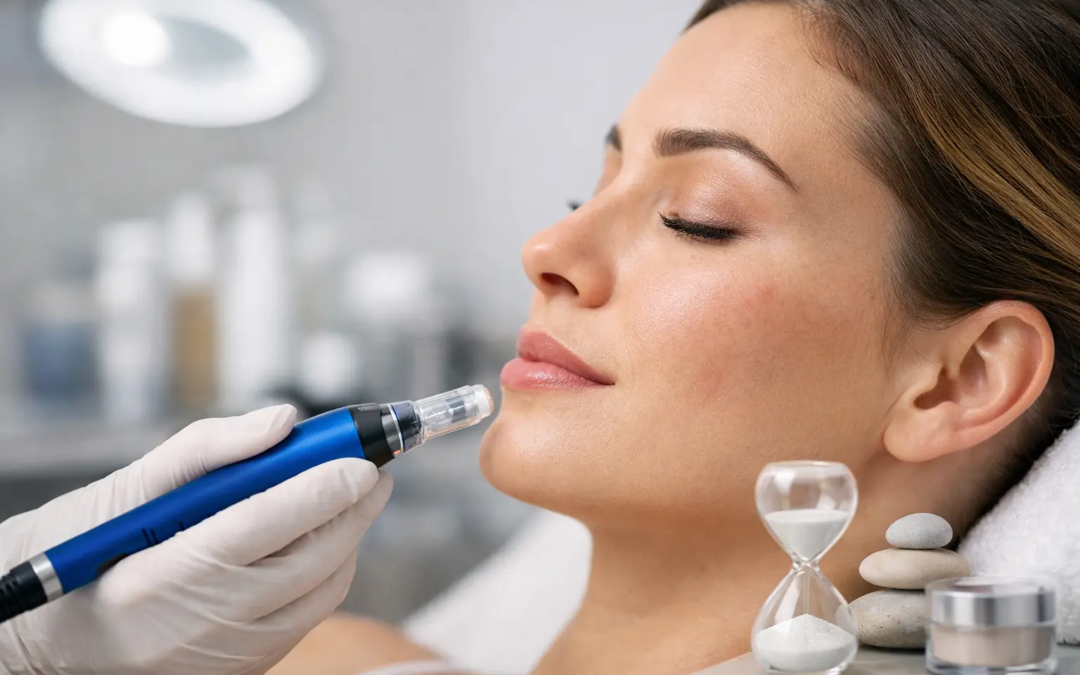
You leave your SkinPen appointment looking a little pink, feeling a little warm, and wondering what tomorrow will bring. That is completely normal. This guide to SkinPen recovery timeline is designed to give you a realistic, polished view of what healing usually looks like, what can vary from person to person, and how to support the best possible result.
SkinPen microneedling works by creating controlled micro-injuries in the skin, which prompts your body’s natural healing response. That healing process is where the real value happens. Collagen remodeling does not happen overnight, so while the initial recovery is fairly quick, your visible improvement continues well beyond the first few days.
A guide to SkinPen recovery timeline by day
For most patients, the first 24 to 72 hours are the most noticeable part of recovery. Right after treatment, your skin may look similar to a moderate sunburn. Redness, tightness, warmth, and mild swelling are all common, especially in areas where the skin is thinner or more reactive.
During the first evening, your skin can feel dry, tender, or slightly rough. Some patients also notice pinpoint sensitivity or a flushed appearance that lingers into the next morning. This is expected. It does not mean anything is wrong. It simply reflects that the skin has been stimulated and is actively beginning repair.
By day 2, redness usually starts to soften. For some people, it fades quickly. For others, particularly those with sensitive skin or a more intensive treatment plan, the pink tone can still be visible. You may also begin to notice dryness or a sandpaper-like texture. That roughness can be surprising, but it is a normal part of the renewal process.
By days 3 through 5, the skin often looks calmer on the surface while still feeling dry or slightly flaky. This is the stage when many patients feel tempted to exfoliate or restart their normal routine too quickly. It is better to stay patient. Let the skin release that rough texture naturally rather than trying to scrub it away.
Around days 5 through 7, most visible signs of treatment have settled. If your skin tends to heal efficiently, you may already look completely back to normal, only brighter. If your treatment was deeper or combined with a customized plan, mild dryness or residual pinkness may last a little longer.
What your skin may look and feel like each stage
A good guide to SkinPen recovery timeline should be honest about the fact that healing is not identical for everyone. Some patients bounce back fast enough to feel comfortable returning to work the next day. Others prefer a few days of lower visibility, especially if they are treating texture concerns, acne scarring, or signs of aging with a more corrective approach.
The most common early signs are redness, warmth, tightness, dryness, and mild swelling. Less commonly, some patients notice temporary pinpoint marks, itchiness as the skin heals, or a bronzed look before flaking begins. These effects are typically short-lived.
Where it gets more nuanced is skin type, treatment intensity, and post-care habits. Fair or reactive skin may stay pink longer. Mature or dehydrated skin may feel tighter during the first few days. Patients treating acne scars may have a different recovery feel than someone focused on maintenance and glow.
That is why personalized treatment planning matters. The right protocol is not just about getting results. It is also about matching the treatment depth and frequency to your skin’s needs, your schedule, and your comfort level.
The first 24 hours matter most
If there is one part of recovery that deserves extra attention, it is the first day. Your skin is more vulnerable during this window, and keeping things simple is usually the smartest strategy.
Use only the products recommended by your provider. Avoid makeup unless you have been specifically cleared to use it. Skip the gym, steam rooms, saunas, and anything that creates excess heat or sweat. South Florida patients in particular need to be careful with sun exposure, because even brief time outside can add unnecessary stress to freshly treated skin.
This is also not the time for active ingredients. Retinoids, exfoliating acids, scrubs, and strong brightening agents should wait until your provider tells you it is appropriate to restart them. More product does not mean faster healing. In fact, the opposite is often true.
What to avoid during the SkinPen recovery timeline
Most recovery issues are not caused by the treatment itself. They happen when skin is overhandled afterward. Picking, rubbing, over-cleansing, and trying to “help” peeling skin along can all interfere with the process.
It is also wise to avoid intense workouts, direct sun, swimming pools, and hot environments for the first couple of days. Chlorine, heat, and sweat can all increase irritation. If you are planning a beach weekend, outdoor event, or major celebration, timing your appointment thoughtfully makes a difference.
There is a trade-off here. SkinPen is considered a low-downtime treatment compared with more aggressive resurfacing, but low downtime does not mean no downtime. If you want the best texture and tone improvement, you need to give your skin space to recover well.
When you will start seeing results
The visible recovery timeline and the results timeline are not exactly the same. You may look socially presentable within a few days, but collagen production continues for weeks afterward.
Some patients notice a fresher, smoother look once the initial dryness clears. That early glow is encouraging, but the more meaningful improvements in texture, softness, and overall skin quality often build gradually over the next few weeks. If you are targeting acne scars, fine lines, or uneven texture, multiple sessions are usually recommended because collagen remodeling is cumulative.
This can be the hardest part for patients who want instant change. SkinPen is a regenerative treatment. Its strength is that it works with your skin rather than forcing a dramatic surface change all at once. That tends to produce natural-looking improvement, but it requires patience.
Factors that can change your recovery timeline
Your personal SkinPen recovery timeline may shift based on several details. Treatment depth matters. A lighter maintenance session usually heals faster than a more corrective session aimed at deeper concerns. Your skin condition before treatment also plays a role. Skin that is compromised, inflamed, or dehydrated can feel more reactive afterward.
Lifestyle matters too. Sun exposure, smoking, poor sleep, dehydration, and inconsistent aftercare can all slow down the look and feel of recovery. On the other hand, healthy skin habits support a smoother process.
There is also the question of combination treatments. If microneedling is paired with another service or part of a broader skin rejuvenation plan, your provider should explain how that may affect downtime and expectations. This is where working with an experienced medical aesthetics team becomes especially valuable. At Medical Advanced Skin Care, treatment plans are designed around the person, not a generic protocol.
When to check in with your provider
Mild redness, dryness, and sensitivity are expected. What is not expected is worsening pain, significant swelling that increases instead of improving, or signs that make you feel uncertain about how your skin is responding. If something feels unusual, it is always appropriate to reach out.
The right provider will want to hear from you, not leave you guessing. Good aesthetic care includes clear aftercare, realistic guidance, and support during healing. That reassurance is part of the experience, especially for first-time patients.
How to plan around your schedule
If you are booking SkinPen before an event, build in some cushion. A week is often a comfortable planning window for most people, though some prefer even more time if they are new to microneedling or know their skin runs sensitive.
If your goal is ongoing correction rather than a one-time refresh, think of SkinPen as part of a series rather than a single appointment. The treatment itself may be quick, but the real transformation comes from consistency, professional guidance, and respecting the recovery window after each session.
Healthy, radiant skin rarely comes from doing the most. It usually comes from doing the right things, at the right pace, with expert care behind every step.