A close shave should not leave your skin burning, itchy, or covered in tender red bumps two days later. The best treatments for razor bumps address both sides of the problem: calming the inflammation you have now and changing the hair-removal routine that keeps triggering it. With thoughtful care, most people can significantly improve razor bumps and feel more comfortable in their skin.
What Razor Bumps Really Are
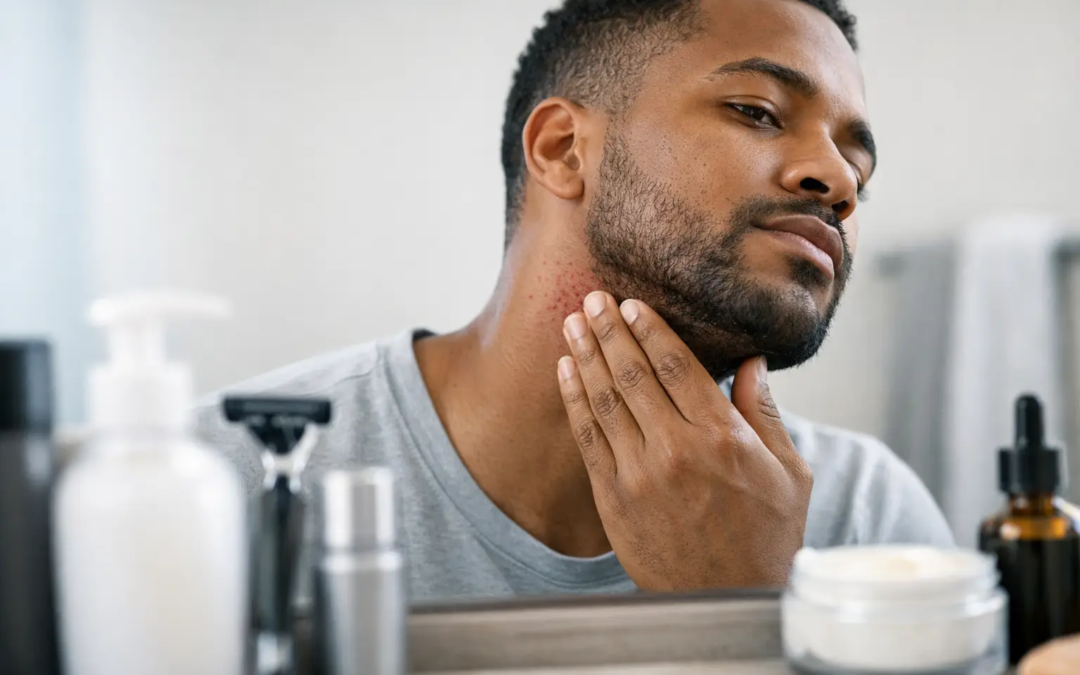
Razor bumps, clinically called pseudofolliculitis barbae, occur when shaved hair curves back into the skin instead of growing outward. Your body treats that trapped hair like an irritant, which can lead to redness, swelling, itching, dark marks, and small acne-like bumps. They are especially common on the beard area, bikini line, underarms, legs, and anywhere hair is coarse or tightly curled.
Razor bumps are not always the same as folliculitis, an inflammation or infection of the hair follicle. Folliculitis may produce pustules, increasing tenderness, warmth, or drainage. The distinction matters because persistent or infected-looking bumps deserve medical evaluation rather than more aggressive exfoliation at home.
The Best Treatments for Razor Bumps at Home
The first goal is to reduce irritation. If your skin is actively stinging, inflamed, or covered in fresh bumps, pause shaving for several days whenever possible. Continuing to shave over irritated follicles can turn a mild flare-up into a longer recovery.
Use a Warm Compress and Gentle Cleanser
A clean, warm compress can soften the skin and help ease discomfort without friction. Follow it with a mild, fragrance-free cleanser and lukewarm water. Avoid scrubs, rough washcloths, and heavily scented body products while the area is healing. Skin that is already inflamed does not need to be polished harder – it needs a calmer routine.
Choose Targeted Exfoliation, Not Aggressive Scrubbing
Chemical exfoliants can help prevent hairs from becoming trapped beneath the surface. Salicylic acid is often useful for congested follicles because it works within oil-prone areas of the skin. Glycolic acid or lactic acid may help smooth uneven texture and gradually improve the dark marks that razor bumps can leave behind.
The trade-off is that acids can sting or over-dry already compromised skin. Start slowly, avoid applying them immediately after shaving, and stop if you develop persistent burning, peeling, or worsening redness. More product is not better when the skin barrier is stressed.
Calm Inflammation Before Treating Dark Marks
A simple, non-comedogenic moisturizer can reduce the dryness and tightness that make bumps feel worse. Ingredients such as niacinamide can support a more even-looking complexion over time, while a brief course of over-the-counter hydrocortisone may help quiet minor inflammation. Hydrocortisone should be used sparingly and short term, especially on delicate areas like the face or bikini line.
Once active bumps have settled, discoloration can be treated more effectively. Daily broad-spectrum sunscreen is essential for exposed areas, particularly in South Florida, because sun exposure can deepen post-inflammatory dark spots and make recovery appear slower.
Improve Your Shaving Technique
For many people, better technique prevents more bumps than any single serum. Start with clean skin and a fresh blade. Shave after a warm shower or apply a warm compress first, then use a lubricating shaving gel or cream that allows the razor to glide rather than drag.
Shave in the direction of hair growth, using light pressure and short strokes. Avoid stretching the skin taut, which can create an extra-close shave and encourage the newly cut hair to retract below the surface. Rinse the blade frequently, and do not keep going over the same patch of skin to chase a perfectly smooth finish.
Single-blade razors or guarded electric trimmers are often kinder to people prone to ingrown hairs than multi-blade razors. A trimmer may leave a trace of hair behind, but that small compromise can mean far less inflammation. Replace blades regularly and never share them.
After shaving, rinse with cool water, pat dry, and apply a gentle moisturizer. Avoid tight clothing, fragranced deodorants, and intense workouts immediately afterward when possible, particularly after shaving the bikini line or underarms. Heat, sweat, and friction can aggravate newly shaved follicles.
When Professional Treatments Make Sense
If razor bumps keep returning despite careful at-home changes, professional treatment can offer a more lasting path forward. The right recommendation depends on where bumps occur, your hair texture and color, your skin tone, your tendency toward pigmentation, and whether active inflammation is present.
Laser Hair Removal for Long-Term Prevention
Laser hair removal is often one of the most effective options for recurring razor bumps because it reduces the need to shave in the first place. By targeting the hair follicle over a series of sessions, laser treatment can reduce hair growth and help minimize the cycle of shaving, ingrown hairs, and inflammation.
It is not an overnight fix, and results vary by hair color, skin tone, treatment area, and hormonal factors. Multiple sessions are typically needed because hair grows in cycles. Still, for people who deal with frequent bumps on the face, bikini line, underarms, or legs, the long-term reduction in shaving-related irritation can be transformative.
A professional consultation is especially valuable for deeper skin tones or clients prone to hyperpigmentation. Treatment settings, laser technology, and pre- and post-care should be selected carefully to prioritize both safety and visible results.
Professional Chemical Peels for Texture and Marks
Once active irritation is controlled, carefully selected chemical peels may help improve rough texture, uneven tone, and lingering discoloration from old razor bumps. A professional peel is not the same as adding stronger acids at home. Your provider can assess how reactive your skin is and choose a formula and strength that support renewal without creating unnecessary inflammation.
Peels are best viewed as part of a plan, not a quick correction before a vacation or special event. Skin needs time to respond, and sun protection remains non-negotiable after treatment.
Clinical Skin Assessment for Stubborn Bumps
Persistent bumps may not be caused by shaving alone. Acne, bacterial folliculitis, yeast-related folliculitis, contact dermatitis, and other skin conditions can look similar at first glance. If you have painful lesions, pus, spreading redness, scarring, or bumps that do not improve after several weeks, seek assessment from a qualified medical professional or dermatologist.
Common Mistakes That Keep Razor Bumps Around
The urge to pick or squeeze is understandable, but it increases the chance of dark marks, infection, and scarring. Another common mistake is combining too many active products at once, such as a scrub, acid toner, retinoid, and aftershave on freshly shaved skin. That approach often creates more irritation rather than faster results.
Waxing and tweezing can also cause ingrown hairs for some individuals, especially in sensitive areas. If you are trying a new hair-removal method, introduce it thoughtfully and give your skin time to show you how it responds.
A More Comfortable, Confident Routine
Razor bumps can be frustrating, but they are not something you have to simply accept as the cost of grooming. A personalized approach that respects your skin, hair type, and lifestyle can make a visible difference. At Medical Advanced Skin Care, a professional consultation can help determine whether advanced laser hair removal or a skin-renewing treatment is the right next step toward smoother, clearer-looking skin and greater confidence.