A client may come in saying she wants to erase sun damage, only to discover that her main concern is actually uneven pigment, facial redness, or a texture change that makeup can no longer soften. That distinction matters. In the conversation around BBL vs laser resurfacing, the best treatment is not automatically the strongest one. It is the one that addresses what your skin is showing, respects your lifestyle, and supports results you can maintain with confidence.
Both treatments can make skin look brighter, clearer, and more refreshed. Yet they work in very different ways. BroadBand Light, often called BBL, is especially effective for visible color concerns. Laser resurfacing is generally more focused on rebuilding skin texture and stimulating collagen. Understanding that difference makes it easier to choose a treatment plan that feels purposeful rather than overwhelming.
BBL vs Laser Resurfacing: The Core Difference
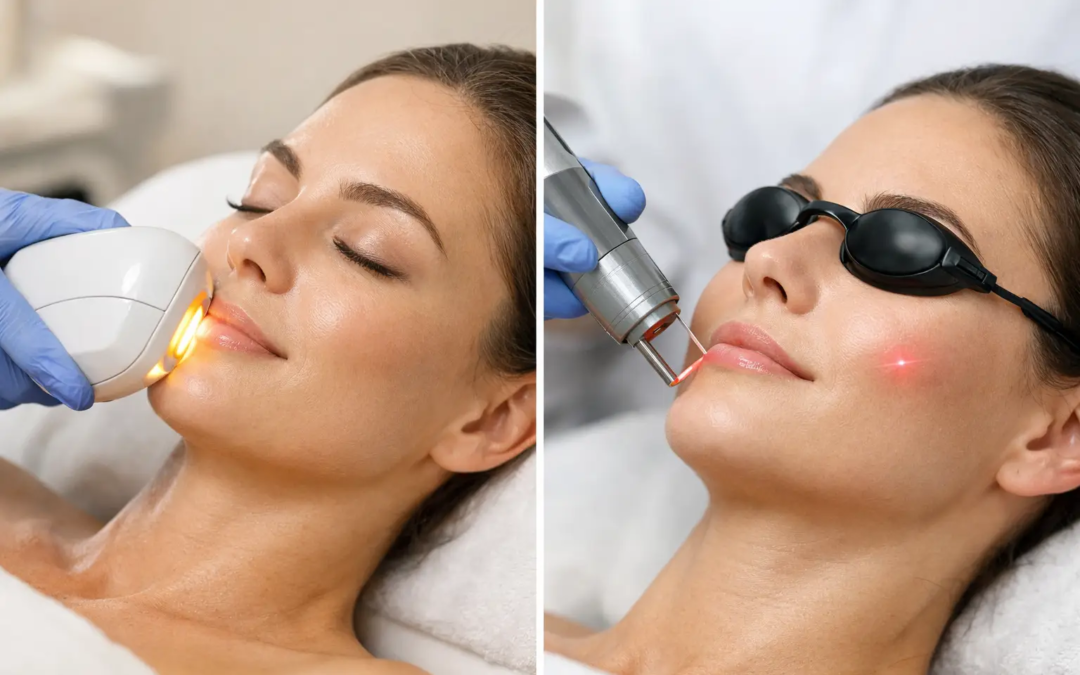
BBL uses advanced intense pulsed light technology, not a traditional laser. It delivers broad-spectrum light that targets pigment and blood vessels in the skin. When the light is absorbed, it helps break up excess pigment and reduce the appearance of redness. This makes BBL a popular choice for sun spots, freckles, facial flushing, broken capillaries, and uneven tone.
Laser resurfacing uses concentrated laser energy to create controlled changes within the skin. Depending on the laser and treatment settings, it may gently heat deeper layers without disrupting the surface, or it may remove portions of the outer skin to encourage more significant renewal. Its primary strength is improving textural concerns such as fine lines, acne scars, enlarged pores, roughness, and crepey-looking skin.
A simple way to think about it is this: BBL is often the better first conversation when color is the concern. Laser resurfacing is often the stronger conversation when texture is the concern. Many people have both, which is why an individualized plan may include more than one approach over time.
What BBL Can Do for Sun-Damaged, Uneven Skin
South Florida sunshine is part of the lifestyle, but years of UV exposure can leave a visible record on the skin. Brown spots, mottled pigmentation, redness, and a dull or uneven complexion often become more noticeable with age. BBL can address these concerns with very little disruption to daily life.
After a BBL treatment, darker pigment may temporarily appear more pronounced before it flakes away or gradually fades. Redness can settle over the days that follow. Many clients describe their skin as looking clearer and more even after a series of treatments, especially when they pair their care with consistent sunscreen and medical-grade skincare.
BBL is also valued for its flexibility. Treatment settings can be adjusted based on your skin tone, sensitivity, goals, and the area being treated. It may be used on the face, neck, chest, hands, or other sun-exposed areas where discoloration tends to collect.
That said, BBL is not designed to dramatically erase deep acne scars or substantially resurface rough skin. It can support overall radiance and collagen health, but it does not create the same level of texture remodeling that an appropriate resurfacing laser can provide.
When Laser Resurfacing May Be the Better Choice
If your concern is less about brown spots and more about the feel and structure of the skin, laser resurfacing may offer a better path. Fine lines around the mouth or eyes, acne scarring, uneven texture, enlarged pores, and a loss of smoothness can respond well to laser-based skin renewal.
There are different categories of laser resurfacing, and the recovery experience varies widely. Non-ablative lasers heat the skin beneath the surface to stimulate collagen with less downtime. Results tend to develop gradually and may require a series of treatments. Ablative or fractionated resurfacing treatments create more intensive controlled injury, often producing more dramatic improvement but requiring a longer healing period.
For the right candidate, laser resurfacing can create meaningful change in skin texture and firmness. However, it is not a casual lunch-break service. Depending on the technology and intensity, you may experience redness, swelling, peeling, or a period when your skin needs careful aftercare. Planning treatment around events, travel, and sun exposure is part of receiving great results safely.
Results, Downtime, and Comfort: What to Expect
BBL typically has minimal downtime. Most clients return to normal activities quickly, although temporary warmth, mild redness, or darkening of pigment can occur. Makeup may often be worn the next day, depending on your provider’s instructions. The treatment itself is usually well tolerated, with many people describing quick flashes of warmth or a light snapping sensation.
Laser resurfacing has a broader range. A gentle non-ablative treatment may leave you pink and slightly swollen for a short time. More intensive resurfacing can involve several days of peeling and extended redness as the skin repairs itself. Comfort is managed with appropriate topical numbing and a customized treatment approach, but recovery remains an important consideration.
Neither choice should be based on downtime alone. A low-downtime treatment can be ideal when it aligns with your concern. But choosing BBL for deep scarring simply because it is easier to recover from may lead to disappointing results. Likewise, choosing aggressive resurfacing for isolated sun spots may be more treatment than your skin truly needs.
The Role of Skin Tone, Pigment History, and Season
The safest and most effective choice depends on more than the concern you see in the mirror. Skin tone, a history of melasma or post-inflammatory hyperpigmentation, active acne, rosacea, medication use, and recent tanning all influence treatment planning.
For example, heat-based treatments can sometimes worsen melasma when performed without careful evaluation and an appropriate skincare strategy. Deeper skin tones require thoughtful settings and technology selection to reduce the risk of unwanted pigment changes. Active cold sores around the mouth, certain skin conditions, and recent use of some medications may also affect timing.
Living in South Florida adds another practical layer. Sun exposure before and after treatment can increase the risk of complications and compromise results. This does not mean you must avoid skin rejuvenation year-round. It means you need a realistic plan for sun protection, including daily broad-spectrum sunscreen, hats, shade, and avoiding intentional tanning. Fall and winter are often convenient seasons for more intensive resurfacing, while BBL maintenance can be timed around your lifestyle and skin condition.
Can BBL and Laser Resurfacing Be Combined?
Yes, in many cases, a carefully staged combination creates a more complete result. BBL can help clear visible pigment and redness, while laser resurfacing can focus on texture and collagen renewal. These treatments are not necessarily performed on the same day. Your provider may recommend spacing them apart so the skin can respond well and heal properly.
Combination planning is especially useful for clients who feel their skin looks both discolored and tired. A single treatment may improve one dimension of the concern, but a personalized series can address tone, clarity, smoothness, and long-term skin quality more comprehensively.
At Medical Advanced Skin Care, treatment recommendations are built around your skin rather than a preset menu. A thoughtful consultation should include what bothers you most, how much downtime you can accommodate, your history with cosmetic treatments, and the level of improvement you want to achieve. Honest guidance matters because the right treatment should feel like an investment in healthier-looking skin, not pressure to pursue every available option.
Choosing the Treatment That Fits Your Goal
Choose BBL when your priority is a clearer, more even-looking complexion with minimal interruption to your routine. It is particularly well suited for visible sun damage, scattered brown spots, redness, and uneven tone.
Consider laser resurfacing when texture is the larger concern. If scars, fine lines, roughness, or enlarged pores are affecting how smooth your skin looks and feels, resurfacing may deliver a deeper level of renewal.
If you are not sure which category your concern falls into, that is exactly what a professional skin consultation is for. Bring photos of the results you admire, explain what you see in different lighting, and be open about your calendar. The most refined results often come from a plan that is measured, well-timed, and designed to let your skin improve naturally over time.
Your skin does not need the most aggressive treatment to look renewed. It needs the right level of care, delivered with clinical expertise and a plan that helps you feel comfortable in your skin long after the appointment is over.