
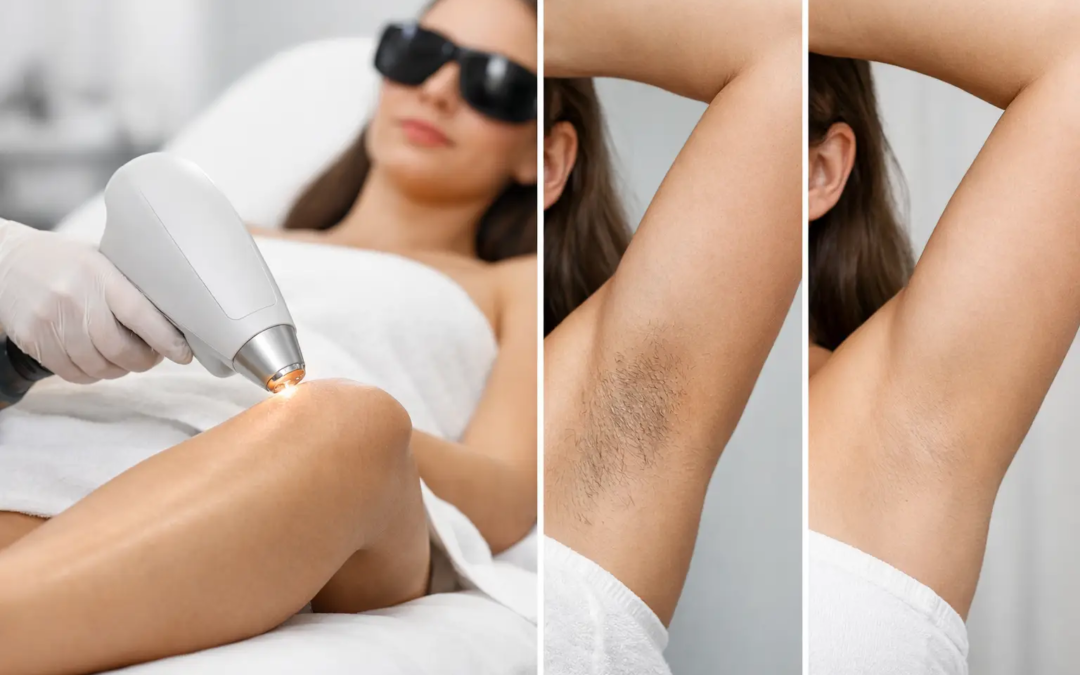
A close look at laser hair removal before after examples reveals something more useful than perfectly smooth skin in a single appointment: progressive change. Early photos may show hair growing back more slowly. Later images often show finer, sparser regrowth and skin that looks easier to maintain between shaves or waxing appointments. The most meaningful results are personal, shaped by the treatment area, hair characteristics, skin tone, hormones, and a carefully selected laser plan.
At Medical Advanced Skin Care, laser hair removal is approached as a personalized medical aesthetics treatment, not a one-size-fits-all service. Knowing what authentic progress can look like helps you set realistic expectations and recognize the value of consistent care.
What Laser Hair Removal Before After Examples Can Show
Before-and-after images are most helpful when they are taken under similar lighting, from the same angle, and after comparable periods without shaving or waxing. They can illustrate changes in hair density, thickness, and the frequency of regrowth. They may also show a reduction in ingrown hairs and the dark shadow that can appear beneath the skin after shaving.
What they cannot show on their own is the full treatment timeline. Laser hair removal works by targeting pigment in the hair follicle during its active growth phase. Because hair cycles through growth, resting, and shedding stages at different times, only a portion of follicles can be effectively treated at each visit. That is why a series of appointments, spaced according to the area and your individual plan, is typically recommended.
A photo taken after one treatment and a photo taken after a full series tell very different stories. One early session can begin to disrupt regrowth, but it is not a finish line. Lasting reduction develops through consistency.
What Results Often Look Like by Stage
After the first one to two treatments
Many clients notice that hair takes longer to return. The regrowth may feel less coarse, especially in areas that previously required frequent shaving. Some treated hairs shed over the following days or weeks, which can resemble new growth at first. This is a normal part of the process and not a sign that treatment has failed.
In before-and-after examples at this stage, the difference can be subtle. The skin may look calmer after shaving, and there may be fewer visible hairs, but patchiness is common. Hair does not disappear evenly because follicles are not all in the same growth phase.
Mid-series progress
By the middle of a recommended treatment series, before-and-after examples often become more dramatic. Common changes include visibly lower density, finer individual hairs, and larger stretches of time between hair-removal routines. Underarms and bikini areas may show a reduced shadow, while legs may feel smoother for longer.
This is also the stage when clients with recurring ingrown hairs may notice a welcome difference. When there are fewer coarse hairs curling back into the skin, shaving can become more comfortable and the appearance of bumps may improve. Results vary, particularly if irritation or discoloration has more than one cause, but reduced hair growth can make a meaningful difference in daily skin comfort.
After a complete series and maintenance
The strongest laser hair removal before after examples usually reflect a completed series rather than a single appointment. The goal is long-term hair reduction, not a promise that every follicle will be permanently eliminated forever. Many clients have substantially less hair, softer regrowth, and much less need to shave, wax, or tweeze.
Some areas may require occasional maintenance visits. Hormonal changes, medications, genetics, and naturally resistant hair patterns can stimulate new growth over time. Facial hair, in particular, can be more hormone-responsive than underarm or leg hair. A thoughtful maintenance plan keeps the treatment realistic, effective, and tailored to your needs.
Why One Person’s Before and After May Not Match Yours
The most striking images can be encouraging, but comparison has limits. Dark, coarse hair tends to respond especially well because it contains more pigment for the laser to target. Fine, light blond, gray, red, or white hair may respond less predictably. A consultation is the right place to discuss whether your hair characteristics are a strong match for treatment.
Skin tone matters, too. Modern laser technology and appropriate settings allow many skin tones to be treated safely, but treatment must be selected and calibrated with care. The goal is to direct energy toward the follicle while protecting the surrounding skin. This is where clinical knowledge, a thorough skin assessment, and conservative adjustments matter far more than a generic treatment menu.
Treatment area also affects the pace of visible change. Underarms and bikini lines often respond efficiently because the hair is typically darker and coarser. Legs may require patience because they cover a larger area and have a different growth rhythm. The face can show excellent improvement, yet may need more ongoing attention due to hormonal influence.
How to Read Before-and-After Photos More Carefully
Look beyond the headline result. A trustworthy example should make it clear that treatment takes time and that individual outcomes vary. Consider whether the images show the same area, similar lighting, and a reasonable timeline. A photo captured immediately after shaving does not tell you much about long-term hair reduction.
Also pay attention to the quality of the skin, not only the amount of visible hair. For many clients, the desired result is freedom from daily stubble, razor bumps, and the irritation of frequent waxing. Smooth-looking skin can be a meaningful outcome even when a small amount of regrowth remains.
Be cautious about examples that imply every client will be completely hair-free after one session or that erase the need for maintenance. Ethical aesthetic care is built on honest expectations. The best treatment plan is the one that respects your skin, your schedule, and your definition of confidence.
Preparing for Results That Photograph Well and Feel Better
Your results begin before the laser appointment. Avoid waxing, tweezing, threading, or using depilatory creams in the weeks leading up to treatment unless your provider gives different instructions. The laser needs the hair follicle intact to do its job. Shaving is generally preferred because it removes surface hair while leaving the follicle in place.
Sun exposure and tanning deserve special attention in South Florida. Tanned or recently sun-exposed skin can increase sensitivity and may affect which settings are appropriate. Follow your provider’s pre-treatment guidance, use daily sun protection, and disclose any recent sun exposure, skincare actives, or medications at your visit.
After treatment, mild redness or warmth around follicles can occur temporarily. Treat the area gently, avoid heat and friction as directed, and protect it from the sun. Between appointments, resist the urge to wax or tweeze. Shaving is usually acceptable when needed, and it does not make hair grow back thicker.
The Result That Matters Beyond the Photo
A beautiful before-and-after image can capture smoother skin, but it cannot fully capture the relief of retiring a daily razor routine or feeling comfortable in a swimsuit without last-minute waxing. For some people, the value is time. For others, it is less irritation, fewer ingrowns, or the confidence of skin that feels more consistently cared for.
The right next step is not choosing treatment based on someone else’s transformation. It is having a personalized consultation that considers your skin, hair, goals, and lifestyle, then building a plan that gives your own before-and-after story time to develop.