A good SkinPen microneedling review should answer more than whether the treatment is popular. The questions that matter are more personal: Will it help the texture left behind by acne? Is the downtime manageable before a South Florida event? Does it create a natural-looking glow without making skin look overtreated?
For many clients, SkinPen is worth considering because it works with the skin’s own repair process rather than adding volume, removing layers of skin, or relying on a dramatic one-day change. Results are gradual, which is a strength for people who want smoother, healthier-looking skin that still looks like their skin.
What SkinPen microneedling is designed to do
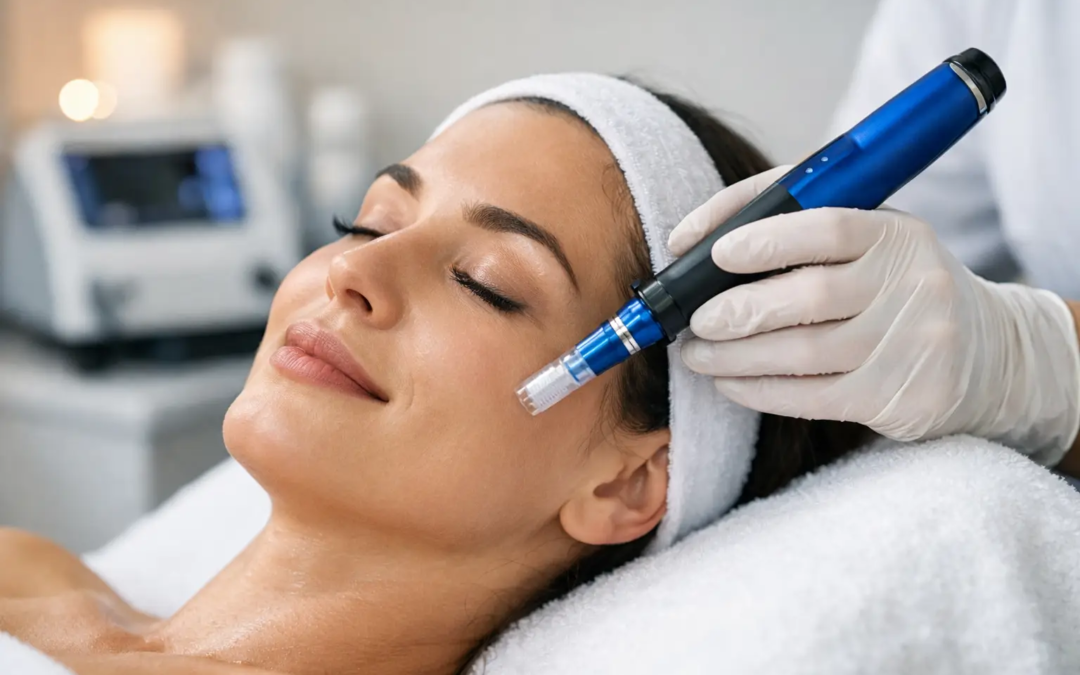
SkinPen is an FDA-cleared microneedling device that uses sterile, single-use needle cartridges to create controlled microchannels in the skin. Those tiny channels trigger the body’s natural wound-healing response, encouraging collagen and elastin production over time.
Collagen is a structural protein that supports skin’s firmness and resilience. As we age, collagen production naturally slows. It can also be disrupted by acne inflammation, sun exposure, and certain skin injuries. Microneedling does not erase every concern, but it can support visible improvement in concerns tied to uneven texture and collagen loss.
Clients commonly choose SkinPen for the appearance of acne scars, fine lines, enlarged pores, rough texture, mild laxity, and an overall dull or uneven complexion. It is particularly appealing when the goal is refinement rather than a drastic change. Skin often looks fresher and more even as the treatment series progresses.
The SkinPen microneedling review clients want: comfort, downtime, and results
The treatment itself is more comfortable than many people expect, especially when it is performed with thoughtful preparation. A topical numbing cream is typically applied beforehand, then removed before treatment begins. Most clients describe the sensation as a firm vibration, scratchy pressure, or a warm prickling feeling in more sensitive areas such as the forehead, upper lip, and around the nose.
A professional treatment is also customized. Needle depth should not be the same everywhere on the face, and it should be selected based on the area being treated, the concern, and the client’s skin condition. Deeper is not automatically better. Precision matters far more than intensity.
Immediately afterward, the skin is usually pink to red, similar to a moderate sunburn. Some warmth, tightness, and mild swelling are normal for the first day. By day two or three, redness generally settles and skin may feel dry or lightly rough. Makeup, exercise, direct sun, and active skincare ingredients may need to wait briefly while the skin recovers.
For most people, visible social downtime is short – often one to three days – though recovery varies. A client with sensitive skin, a more intensive treatment plan, or an event on the calendar may want to allow extra time. This is not the treatment to schedule the day before a wedding, beach weekend, or major photo session.
The first post-treatment glow can be encouraging, but collagen remodeling takes longer. Some clients notice a smoother feel and brighter appearance within a few weeks. More meaningful changes to texture and acne scarring often emerge over several months, particularly after a series of treatments.
Who may be a strong candidate
SkinPen microneedling can be an excellent fit for adults who want clinically guided rejuvenation without surgery or extended recovery. It is commonly considered for clients whose main goals are smoother skin, softened acne-scar texture, a more refined appearance of pores, or early signs of collagen loss.
It can be especially useful for people who feel that topical skincare alone has plateaued. Medical-grade skincare remains valuable, but a treatment that creates controlled microchannels may help support a more active collagen response than products can achieve on their own.
Still, microneedling is not right for every skin concern or every moment. Active acne, cold sores, an active skin infection, irritated eczema, recent sunburn, and certain medications or health conditions can affect timing and suitability. Clients prone to post-inflammatory hyperpigmentation need careful assessment and a tailored pre- and post-care plan. In South Florida, diligent sun protection is non-negotiable after treatment.
A consultation should also distinguish between acne scars that respond well to collagen induction and scars that may need another approach. Deep, tethered scars, pronounced pigmentation, significant skin laxity, or redness from broken capillaries may benefit more from, or in addition to, treatments such as chemical peels, BBL, laser services, or targeted scar procedures.
How many treatments does SkinPen take?
One treatment can leave skin looking refreshed, but a single appointment is rarely the full answer for established texture concerns. Many clients begin with a series of three treatments, usually spaced about four to six weeks apart. Acne scarring or more advanced signs of aging may call for additional sessions.
The right schedule depends on the concern, the condition of the skin barrier, lifestyle factors, and how the skin responds. A responsible provider should explain what is realistically achievable, rather than promising that any one treatment will resolve every concern.
Maintenance can also make sense. After completing an initial series, some clients return periodically to support ongoing collagen renewal and keep their skin care plan on track. Think of SkinPen as part of long-term skin health, not a quick fix to repeat every time there is an event.
What makes a professional SkinPen treatment different
Microneedling is a technique, but not all microneedling experiences are equal. The device, sterile protocol, provider training, depth selection, skin preparation, and aftercare guidance all influence both safety and outcomes.
At Medical Advanced Skin Care, the focus is on a personalized plan rather than a one-size-fits-all facial. That begins with evaluating your skin goals and history, then considering whether SkinPen is the best stand-alone option or whether another treatment better matches the result you want.
Professional treatment also includes clear aftercare. Skin should be treated gently after microneedling: use the recommended products, avoid picking or exfoliating, pause retinoids and other potentially irritating actives as instructed, and protect the skin carefully from UV exposure. The goal is to give the skin a calm, supported environment for recovery.
Is SkinPen worth it?
For the right candidate, SkinPen can be a worthwhile investment in skin texture, collagen support, and confidence. It is not a replacement for surgery, filler, or every laser treatment. It also requires patience. The best outcomes are cumulative and tend to look natural because they develop through the skin’s own renewal process.
If your concern is mild texture, early fine lines, lingering acne marks, or a complexion that no longer reflects how well you care for your skin, SkinPen may offer a meaningful next step. If your goals involve deeper scars, significant tightening, or stubborn discoloration, a consultation can clarify whether microneedling belongs in a more comprehensive treatment plan.
The most valuable review is the one your skin writes over time: smoother texture, a healthier-looking glow, and the quiet confidence that comes from care chosen specifically for you.