A South Florida glow can be beautiful, but daily sun exposure, humidity, sunscreen buildup, and busy schedules can leave skin looking less luminous than it feels. Understanding how Miami Peel refreshes complexion starts with recognizing that dullness is rarely just one concern. It may show up as uneven tone, rough texture, lingering blemish marks, fine lines, or a makeup routine that no longer sits smoothly on the skin.
The Miami Peel is a professional chemical peel designed to encourage fresher-looking skin through controlled exfoliation. At Medical Advanced Skin Care, the treatment is approached as personalized skin renewal, not a one-size-fits-all appointment. The right peel plan considers your skin type, current sensitivity, goals, lifestyle, and the amount of visible downtime you are comfortable with.
How Miami Peel Refreshes Complexion
Your complexion is shaped by the condition of the skin’s outermost layers. When dead skin cells accumulate unevenly, light does not reflect as evenly from the surface. Skin can appear flat, dry, congested, or shadowed by areas of discoloration even when it is otherwise healthy.
A Miami Peel uses professional exfoliating ingredients to loosen the bonds between older surface cells and support natural cellular turnover. As those dull cells shed over the days following treatment, the skin that emerges can look clearer, smoother, and more even. The result is not an artificial change to your features. It is a refreshed appearance that helps your natural skin look more polished and awake.
The treatment can be especially valuable for concerns that often overlap. Uneven pigmentation can make texture more noticeable, while dehydration and roughness can make fine lines appear more pronounced. By improving surface clarity and smoothness, a peel can help the complexion look more refined overall.
That said, visible peeling is not the only measure of a successful treatment. Some clients experience light flaking, while others have little obvious shedding. What matters is choosing an appropriate professional protocol and allowing the skin to recover properly.
What a Miami Peel Can Help Improve
Miami Peel treatment may be recommended for clients who want a brighter, more even-looking complexion without an invasive procedure. Depending on the skin assessment and selected protocol, it may help improve the appearance of sun-related discoloration, post-breakout marks, mild congestion, rough texture, enlarged-looking pores, early fine lines, and a generally tired or lackluster tone.
For clients in Lighthouse Point and throughout South Florida, pigmentation is often a central concern. UV exposure can encourage uneven tone, especially when sunscreen use is inconsistent or skin has recently been inflamed by acne, waxing, or aggressive home exfoliation. A professionally selected peel can support a more balanced-looking tone, but it is not a substitute for daily broad-spectrum sun protection. Without consistent sun care, discoloration can return and compromise the progress you have made.
The Miami Peel can also be a thoughtful option before an event when timed correctly. Skin needs time to complete its recovery process, so it should not be scheduled at the last minute. A consultation helps determine whether a peel, a HydraFacial®, dermaplaning, or another treatment is the better fit for your calendar and complexion goals.
The Experience Is Personalized From the Start
A quality chemical peel begins before the solution is applied. Your provider should review your skin concerns, medical history, home care products, previous aesthetic treatments, and recent sun exposure. Certain active ingredients, recent procedures, or skin conditions may mean that treatment should be adjusted or postponed.
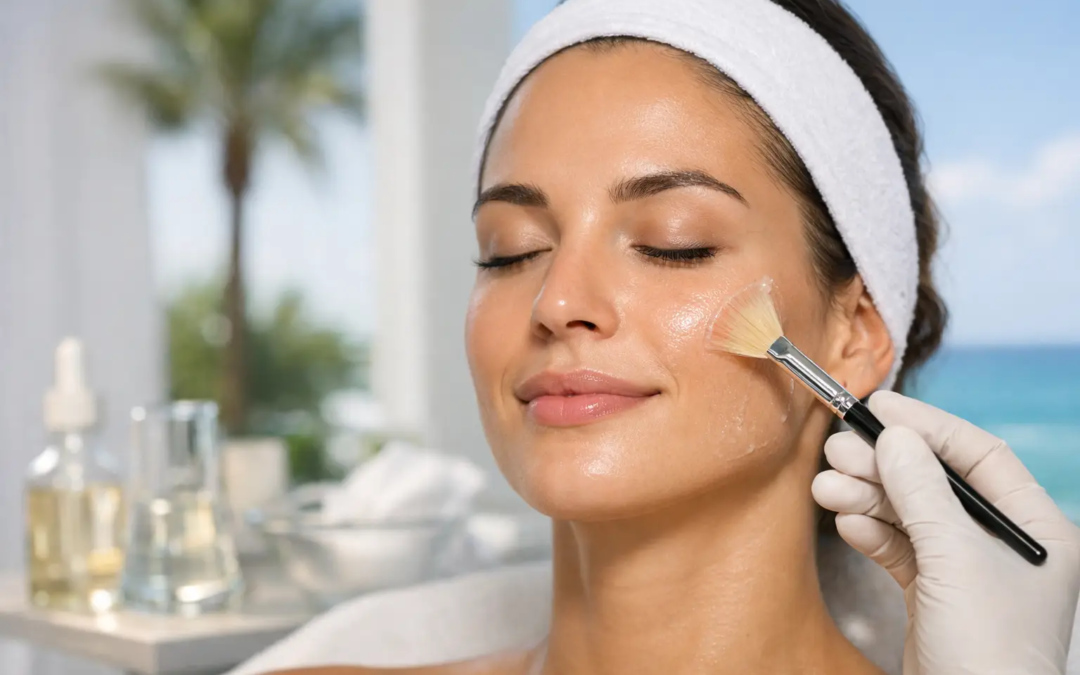
During the appointment, skin is cleansed and prepared before the peel is applied according to the selected protocol. You may feel warmth, tingling, or a temporary prickling sensation. These sensations vary with the formula, strength, and individual skin sensitivity. Your provider monitors the skin closely and gives clear guidance throughout the experience.
This clinical attention matters because stronger is not always better. An overly aggressive peel can disrupt the skin barrier and lead to unnecessary irritation, particularly in skin that is already dry, reactive, or prone to post-inflammatory discoloration. The goal is measured renewal: enough exfoliation to create visible improvement while respecting the health of your skin.
What Recovery Looks Like
After a Miami Peel, the skin may look slightly pink, feel tight, or become dry over the next few days. Peeling or flaking can occur, often around the mouth, nose, and other areas where skin is naturally more active. The degree of shedding depends on the protocol and your individual response.
The most important recovery rule is simple: do not pick, scrub, or manually remove peeling skin. Let it release naturally. Pulling at flakes can cause irritation and may increase the risk of uneven pigmentation or prolonged redness.
For the days after treatment, keep your routine calm and protective. Use the aftercare products recommended by your provider, avoid exfoliating acids and retinoids until cleared to resume them, and protect your skin diligently from the sun. Hot yoga, saunas, intense workouts, and prolonged heat may also be best avoided immediately after treatment if your skin feels warm or sensitive.
Recovery is also a time to manage expectations. Fresh skin may appear quickly, but deeper concerns such as established pigmentation, acne scarring, and pronounced textural changes often respond best to a series of treatments and a consistent home care plan. Your provider can recommend an interval that respects your skin’s ability to renew.
Is a Miami Peel Right for Every Complexion?
Not every client needs the same peel, and not every complexion should be peeled on the same schedule. If your skin is actively irritated, severely dry, sunburned, or experiencing a flare of a skin condition, it may be wiser to focus first on barrier support. Clients who are pregnant or nursing, taking certain medications, or prone to cold sores should disclose this during consultation so the treatment plan can be appropriately tailored.
Skin tone also deserves careful consideration. Clients with deeper skin tones can absolutely benefit from professional exfoliation, but treatment selection, preparation, and aftercare are especially important to reduce the risk of post-inflammatory hyperpigmentation. This is where experienced guidance makes a meaningful difference. The best plan is the one that addresses your concern without asking your skin to do more than it can comfortably tolerate.
A Miami Peel may be one part of a broader skin strategy. For example, a provider may alternate peels with hydrating treatments or pair them over time with microneedling, BroadBand Light, or medical-grade home care when appropriate. The sequence depends on your goals, skin history, and the season. In sunny Florida, timing and sun avoidance are practical parts of treatment planning, not afterthoughts.
Making Your Results Last
The glow after a peel is motivating, but lasting skin confidence comes from what happens between appointments. Gentle cleansing, targeted professional skincare, regular hydration, and daily broad-spectrum SPF help preserve a more even, smooth appearance. If discoloration is your primary concern, sun protection is one of the most effective ways to protect the results of your investment.
It is also helpful to replace the idea of a quick fix with a more rewarding standard: healthy-looking skin that improves thoughtfully over time. A peel can reset the look and feel of the complexion, while an individualized plan helps maintain that renewed clarity through changing seasons, travel, stress, and life.
If your skin has begun to look duller than you feel, a personalized Miami Peel consultation can clarify the most comfortable path forward. The right treatment should leave you feeling cared for, informed, and confidently refreshed – never pressured into more than your skin needs.