A face that suddenly looks more mottled after a South Florida summer is rarely asking for a dramatic procedure. More often, it needs the right kind of light-based correction. In the BBL versus IPL conversation, both treatments can address visible sun damage, redness, brown spots, and uneven tone with little interruption to your routine. The meaningful difference is not simply the name on the treatment menu. It is the technology, the provider’s treatment plan, and how precisely the settings are selected for your skin.
At Medical Advanced Skin Care, that distinction matters. Light treatments should feel like an informed investment in healthier-looking skin, not a one-size-fits-all facial.
BBL Versus IPL: The Core Difference
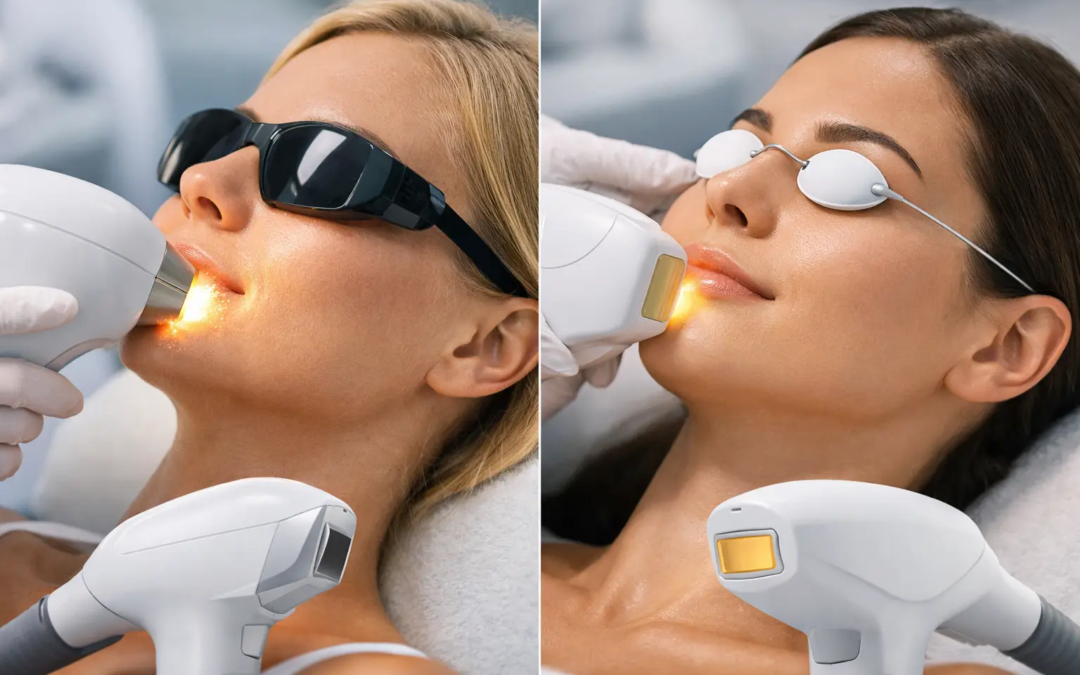
IPL stands for intense pulsed light. It is a category of treatment that uses broad-spectrum pulses of visible light to target pigment and blood vessels in the skin. Although it is often casually called a laser treatment, IPL is not technically a laser. Lasers use one focused wavelength; IPL uses a range of wavelengths filtered to address a specific concern.
BBL, or BroadBand Light, is a specific advanced light technology. It works on the same general principle as IPL but is delivered through a particular platform with sophisticated filters, cooling, and control over treatment parameters. In other words, IPL describes the treatment category, while BBL is a branded form of broad-spectrum light treatment.
That may sound like a small distinction, but it can influence the experience and the plan. A quality BBL device can allow providers to tailor wavelength ranges, pulse duration, energy, and cooling to the concern being treated. This level of customization can be especially valuable when skin has a mix of concerns, such as brown spots alongside facial redness or diffuse sun damage.
Still, BBL is not automatically the right answer for every person, and not every IPL treatment produces the same result. The quality of the device and, more importantly, the clinical judgment behind it determine whether light energy is being used appropriately for your skin tone, sensitivity, and goals.
What BBL and IPL Can Treat
Both BBL and IPL are commonly chosen for photorejuvenation, which means improving the visible effects of accumulated sun exposure and environmental stress. They can be especially helpful for skin that looks dull, blotchy, or prematurely weathered even when it feels smooth to the touch.
Depending on the device and personalized settings, treatment may help improve the appearance of sun spots, freckles, uneven pigmentation, redness, visible tiny vessels, rosacea-related flushing, and a generally uneven complexion. Some patients also notice a clearer, more refined look to the skin as discoloration fades and collagen activity is supported over time.
BBL can be used beyond the face in appropriate cases. The chest, neck, hands, shoulders, and arms are frequent areas of concern because they often reveal years of sun exposure. IPL may also be used in these areas, provided the treatment is suitable for the skin’s condition and color.
Neither option is a replacement for a consistent skincare routine or sun protection. Light treatment can correct visible damage, but new pigment can develop if skin continues to receive unprotected UV exposure. For South Florida patients, daily broad-spectrum sunscreen and thoughtful sun habits are part of protecting the results.
Why the Device Is Only Part of the Decision
A BBL treatment is often associated with greater precision and comfort because of the technology’s customizable settings and integrated cooling. Many patients describe a quick snapping or warming sensation during treatment, followed by mild temporary redness. The cooling component can make a noticeable difference in comfort, particularly on sensitive areas.
IPL treatment experiences vary more widely because IPL is an umbrella term. One device may offer excellent filtering and cooling, while another may have fewer options for customization. This does not mean IPL is ineffective. It means the right question is not, “Is IPL good?” It is, “Is this device and treatment protocol right for my skin?”
For both treatments, a careful provider evaluates the color and depth of pigmentation, the presence of redness or visible vessels, recent sun exposure, skincare products, medications, and history of hyperpigmentation. A treatment that is beautifully effective for one complexion can be inappropriate for another without adjustments or an alternative approach.
Skin Tone, Pigment, and Safety Considerations
Light-based treatments target pigment. That is why they can soften brown spots, but it is also why skin tone requires thoughtful evaluation. When there is more melanin throughout the skin, there can be a higher risk of unwanted pigment changes if energy is not selected conservatively and correctly.
BBL and IPL are often best suited to lighter skin tones with visible sun damage, redness, or brown spots. People with deeper skin tones are not automatically excluded from professional rejuvenation, but BBL or IPL may not be the first recommendation. Other treatments, such as carefully selected chemical peels, microneedling, or different laser technologies, may better support the goal while reducing unnecessary risk.
Active tanning is another reason to pause. Tanned skin contains more surface pigment, making it harder to distinguish between the pigment being targeted and the surrounding skin. Patients should avoid intentional sun exposure, tanning beds, and self-tanner before treatment according to their provider’s instructions.
A consultation should also include a discussion of melasma. Melasma is a pigment condition that can be triggered or worsened by heat and light in some individuals. While light therapy may be appropriate in selected cases, it needs a cautious, layered plan rather than an aggressive spot-treatment approach.
What Results and Downtime Look Like
One of the reasons patients choose BBL or IPL is that both can fit into a busy lifestyle. Most people return to normal daily activities right away, although the skin may look pink or feel warm for several hours. Makeup can often be applied the next day, depending on skin sensitivity and post-treatment instructions.
Pigmented spots commonly look darker before they improve. This is expected. Over the following days, treated pigment may resemble tiny coffee grounds or dark flakes before naturally lifting away. It is important not to pick or exfoliate the area prematurely. Redness and small vessels may gradually become less visible as the skin settles.
Results are typically progressive rather than immediate. Some patients see a fresher appearance after one session, but a series is often recommended for more comprehensive correction. The number of treatments depends on the condition being treated, the degree of sun damage, and the response of your skin. Maintenance sessions may help preserve clarity and even tone over time.
The treatment cannot erase every sign of aging or replace volume restoration, skin tightening, or surgical care when those are the true concerns. If laxity, deep folds, acne scarring, or loss of facial volume is the primary issue, a different treatment or combination plan may be more appropriate.
How to Choose Between BBL and IPL
If a clinic offers both options, the choice should be based on your skin rather than a trend. BBL may be an excellent fit when you want a highly customized approach to multiple concerns, especially sun-related pigment and redness. IPL can also be a strong option when the device is appropriate, the provider is experienced, and your goals are well matched to the technology.
Bring clear priorities to your consultation. Are brown spots your main concern, or is it persistent flushing? Do you want a single pre-event refresh or a longer-term correction plan? Have you had pigmentation changes after treatments in the past? These details guide a safer and more effective recommendation.
You should also be honest about recent sun exposure, medications, active skincare ingredients, and any history of cold sores if the treatment area includes the mouth. Your provider may ask you to pause retinoids, acids, or other sensitizing products before treatment. Following those directions protects both comfort and outcomes.
A polished result comes from restraint as much as technology. The best treatment is the one that respects your skin’s starting point, gives it time to respond, and supports the healthy, refreshed appearance you want to maintain.
When deciding between BBL and IPL, look beyond the label. Choose a provider who listens closely, evaluates your skin carefully, and can explain not just what a treatment can do, but why it is the right choice for you.