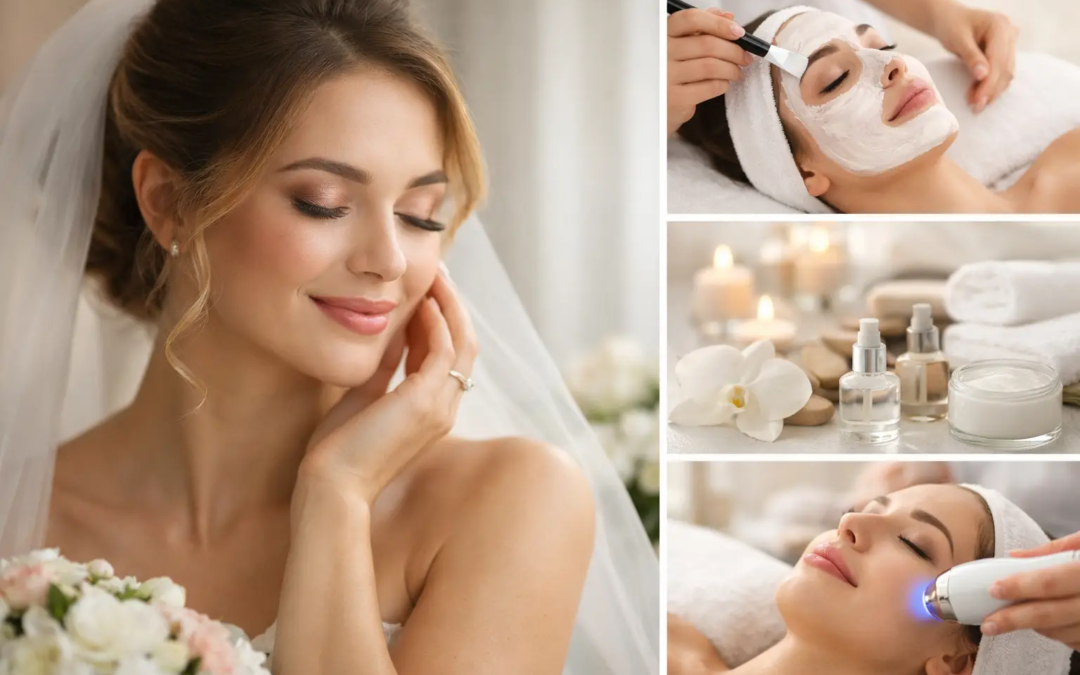
Wedding photos remember everything – dehydration, uneven texture, surprise breakouts, and the tired look that tends to show up right when stress is highest. The best treatments for wedding skincare are not always the strongest or most expensive. They are the treatments chosen at the right time, in the right order, for your skin.
That distinction matters. Bridal skincare should never be a last-minute experiment. A polished, radiant result usually comes from a personalized plan that improves tone, texture, clarity, and hydration gradually, without pushing the skin into irritation just before a major event. Whether you are the bride, groom, or part of the wedding party, the goal is the same – healthy skin that looks naturally refreshed in person and in every photo.
What makes the best treatments for wedding skincare?
The best wedding skincare treatments do two things at once. They create visible improvement, and they respect your timeline. If a treatment has a period of peeling, purging, or temporary redness, that does not make it a bad choice. It simply means it needs to be scheduled properly.
This is where professional guidance makes a real difference. Skin concerns before a wedding are rarely one-dimensional. Someone may want brighter skin, but the real issue is a mix of pigmentation, rough texture, congestion, and mild laxity. Another person may think they need a glow facial when they actually need a series of treatments to calm acne and smooth post-breakout marks. The most reliable results come from matching the treatment to the concern rather than chasing trends.
Start with a timeline, not a trend
If you have six months or more before the wedding, you have room to address deeper concerns such as acne scarring, pigmentation, fine lines, and skin laxity. This is the ideal window for corrective treatments that stimulate collagen or target discoloration over time.
If you are three months out, the focus becomes visible refinement. Skin can still improve beautifully in this phase, but the plan should be more selective. Treatments that support brightness, hydration, smoother texture, and even tone tend to perform best here.
If the wedding is only a few weeks away, the strategy shifts again. This is maintenance territory, not experimentation. The right treatment can leave skin luminous and polished. The wrong one can trigger irritation, flaking, or a breakout at exactly the wrong moment.
The best professional treatments by concern
For dull, dehydrated, tired-looking skin
HydraFacial is one of the most dependable options in a wedding skincare plan because it offers immediate payoff with minimal downtime. It cleanses, exfoliates, extracts, and infuses the skin with targeted hydration in one visit. For clients dealing with travel, stress, poor sleep, or dry skin from seasonal changes, it can create that smoother, well-rested look people often describe as glow.
Dermaplaning can also work well here, especially when peach fuzz and surface buildup are making skin look flat. By removing dead skin cells and fine facial hair, it helps makeup apply more evenly and leaves the complexion looking fresher. For many clients, it pairs well with a hydrating facial when timed appropriately.
Oxygen facials are another strong choice when the skin looks fatigued or depleted. They do not replace more corrective treatments, but they can be excellent close to the event when the goal is comfort, hydration, and a polished finish.
For rough texture, acne marks, and early signs of aging
Microneedling with SkinPen is often one of the best treatments for wedding skincare when texture is the main issue. It supports collagen production and can improve the look of fine lines, enlarged pores, and post-acne irregularities over a series of sessions. The trade-off is timing. Microneedling is not usually the treatment to book right before the wedding. It tends to work best when started several months in advance so the skin has time to heal and reveal the full benefit.
PRP paired with microneedling may be recommended for clients who want a more regenerative approach. This can be especially appealing for those focused on tone, texture, and overall skin vitality. As with standard microneedling, planning matters more than urgency.
For pigmentation, sun damage, and redness
In South Florida, sun exposure is often part of the story. Uneven pigmentation, lingering redness, and visible photodamage are common concerns before weddings, especially for outdoor events and high-definition photography.
BBL can be an excellent option for clients who want clearer, more even-looking skin. It is often chosen to improve brown spots, redness, and signs of sun damage. The results can be striking, but this is another treatment where proper consultation matters. Not every skin type or every timeline is the same, and the treatment plan should reflect that.
Chemical peels can also play an important role. A carefully selected peel can brighten the complexion, improve clarity, and refine surface texture. Lighter peels may fit well into a shorter timeline, while stronger peels require more caution and recovery planning. The key is not choosing the most aggressive peel available. It is choosing the one your skin can benefit from safely.
For lifting and tightening
When clients are concerned about mild sagging, soft jawline definition, or a less firm look around the lower face, skin tightening treatments may be part of the conversation. Ultraformer III is often considered when someone wants a non-surgical approach to firmer-looking skin.
This category tends to reward patience. Tightening treatments are usually not about instant glow. They are about gradual improvement over time. For someone planning well in advance, they can complement other services beautifully. For someone getting married in two weeks, they are usually not the first move.
The treatments to avoid right before the wedding
Even excellent treatments can be poor choices if the timing is wrong. Anything new, especially if you have reactive or acne-prone skin, deserves caution in the final stretch. Strong peels, first-time laser treatments, extractions that leave prolonged redness, and unfamiliar active products can all create avoidable stress.
This is also not the time to over-treat. A common mistake is stacking too many services close together in hopes of faster results. Skin usually responds better to consistency than intensity. Calm, balanced skin almost always looks better than skin pushed too hard.
A practical wedding skincare timeline
Six months or more before the wedding is the best time for a full skin consultation. This is when corrective options like microneedling, BBL, skin tightening, or a peel series can be discussed based on your skin goals.
About three months out, your plan should become more focused. This is a good time to continue treatments that are already working, refine home care, and stop chasing anything too aggressive. If your skin is improving, that is the moment to stay consistent, not get adventurous.
In the final month, most clients benefit from treatments that support hydration, smoothness, and brightness without significant downtime. HydraFacial, dermaplaning, or other gentle polishing treatments often fit well here, depending on your skin history.
In the last one to two weeks, the best appointment is often one you know your skin loves. Familiar, predictable treatments are the safest path to that clean, healthy, camera-ready finish.
Home care matters more than people think
The best in-clinic plan can only do so much if home care is inconsistent. Wedding skincare should include daily sunscreen, barrier-supportive hydration, and products that make sense for your skin type. That does not mean a 10-step routine. It usually means a disciplined one.
If your provider recommends medical-grade skincare, the benefit is not marketing language. It is formulation strength, ingredient stability, and a treatment plan built around real skin goals. Still, more products are not always better. Before a wedding, calm and steady often wins.
Why personalization changes the result
No single answer covers every bride or groom. Oily, breakout-prone skin needs a different strategy than dry, mature skin. Pigmentation requires a different plan than redness. A person with six months to prepare has options that are not appropriate for someone booking services three weeks before the ceremony.
That is why the best treatments for wedding skincare are always personal. At a clinic like Medical Advanced Skin Care, the strongest results come from combining clinical expertise with a treatment schedule designed around your skin, your event date, and your comfort level. Luxury care should feel reassuring, not rushed.
The best wedding skin does not look overdone. It looks clear, smooth, well-rested, and confident. If you start early, choose carefully, and let your skin respond at its own pace, that glow tends to look less like a treatment and more like you on your best day.