The moment after a chemical peel is when your results are quietly being built. Treatment day matters, but the healing that follows is what helps reveal smoother texture, more even tone, and that fresh, refined look most clients want. Good chemical peel aftercare instructions are not extra advice – they are part of the treatment itself.
A peel creates controlled exfoliation, which means your skin is temporarily more vulnerable to heat, friction, active ingredients, and sun exposure. That does not mean recovery has to be stressful. It means your skin needs a short period of calm, protection, and restraint. When aftercare is handled well, most clients move through the peeling process more comfortably and with better-looking results.
Why chemical peel aftercare instructions matter
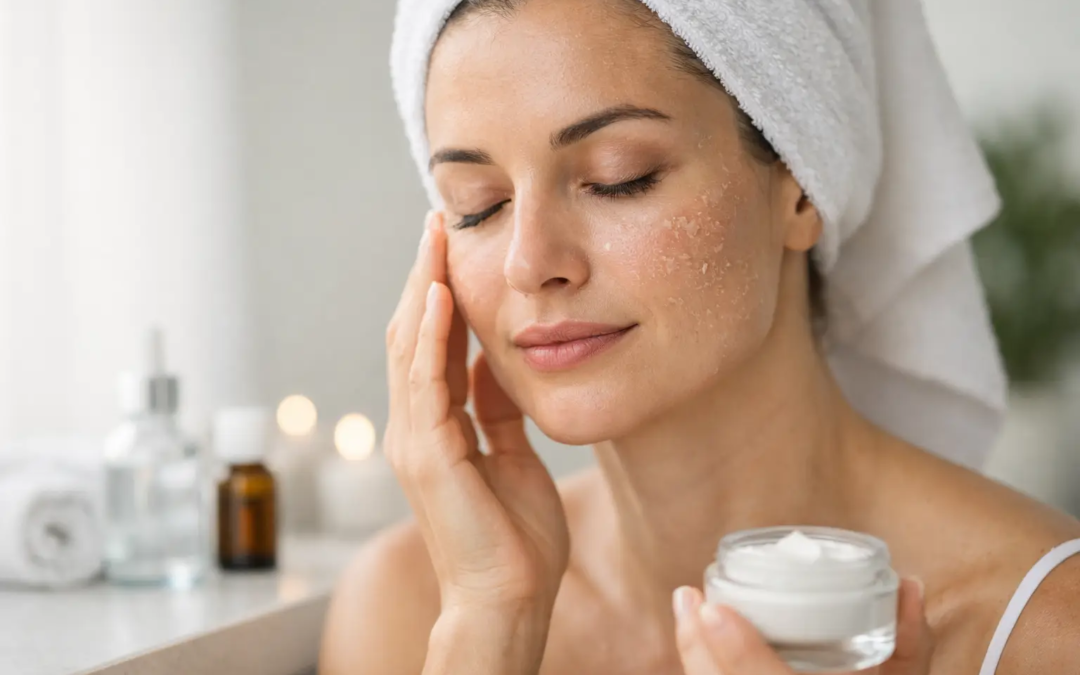
A chemical peel works by loosening and removing damaged outer layers of skin. Depending on the peel used, you may notice tightness, redness, flaking, or visible peeling over the next several days. This is expected, but the intensity varies. A light peel may feel like mild dryness, while a stronger peel can bring more noticeable shedding and sensitivity.
The goal of aftercare is simple – support healing without interfering with it. That means avoiding the temptation to scrub away flakes, restart your usual retinol too quickly, or spend a little too much time in the Florida sun. Skin that is healing from a peel is more reactive, and even products you normally tolerate can suddenly sting or cause irritation.
The first 24 hours after your peel
The first day sets the tone for recovery. Your skin may feel warm, tight, or slightly tender, almost like a mild sunburn. During this window, keep your routine minimal and gentle.
Cleanse only if your provider has instructed you to do so, and use cool to lukewarm water rather than hot water. Apply only the recommended post-treatment products. In most cases, that means a gentle moisturizer and broad-spectrum sunscreen if you are heading outdoors. Avoid makeup unless you have been specifically told it is safe.
This is also the time to stay away from workouts, steam rooms, saunas, hot yoga, and anything else that raises skin temperature. Heat can increase redness and irritation. If your skin feels flushed, that does not mean something is wrong, but it is a sign to keep things cool and quiet.
What to expect during days 2 through 7
This is usually when clients start wondering if their skin is healing normally. For many peels, day 2 or 3 brings dryness, rough texture, and the beginning of visible flaking. Around the mouth, nose, and chin, peeling is often more noticeable. That pattern is common.
The most important rule here is not to pick, peel, rub, or exfoliate the skin yourself. Pulling off loose skin before it is ready can lead to raw spots, prolonged redness, uneven healing, and in some cases post-inflammatory pigmentation. Let the shedding happen naturally.
Keep cleansing gentle, keep moisturizing consistently, and keep sun protection non-negotiable. If your skin feels dry, you may need to moisturize more often than usual. That does not interfere with the peel. In fact, comfortable skin tends to heal more predictably.
The products to avoid after a chemical peel
One of the biggest mistakes after a peel is returning to active skincare too soon. Even clients with experienced routines need to pause for a bit.
For several days, and sometimes longer depending on the depth of the peel, avoid retinoids, retinol, tretinoin, exfoliating acids, benzoyl peroxide, scrubs, cleansing brushes, and strong vitamin C formulas if they sting. Fragrance-heavy products can also be irritating when the barrier is compromised.
This is where personalized guidance matters. There is no single restart date that fits every peel and every skin type. A light corrective peel for oily, resilient skin has a different recovery pattern than a stronger peel performed for pigmentation or texture. If a product burns, that is useful information. Healing skin usually does better with less, not more.
Sun protection is not optional
After a chemical peel, your skin is more vulnerable to UV damage. In South Florida, that matters even if you are only driving, walking to lunch, or sitting near a bright window. Sun exposure during the healing phase can aggravate redness and increase the risk of unwanted pigmentation, especially for clients treating melasma, sun damage, or acne marks.
Use a broad-spectrum SPF daily and reapply if you are outside. A hat and physical shade are smart layers of protection, not overkill. If your peel was intended to brighten discoloration, sun avoidance is one of the simplest ways to protect that investment.
When to wash your face and wear makeup again
This depends on the peel used and your provider’s protocol, but in general, gentle cleansing is resumed early while makeup may need to wait. If your skin is actively peeling, makeup often sits unevenly anyway. More importantly, brushes, sponges, and long-wear formulas can add friction and irritation.
If you have an event coming up, this is one reason timing matters. A peel is best scheduled when you can give your skin a few recovery days without pressure to look polished immediately. Beautiful results often come after the peeling phase, not during it.
What is normal and what is not
Some redness, tightness, dryness, and flaking are common after a peel. Mild swelling can also happen, especially in more sensitive skin. Not every client peels dramatically, and visible peeling is not the only sign a treatment worked. Some peels do more at the cellular level with less obvious shedding.
What deserves a call to your provider is worsening discomfort, significant swelling, blistering, oozing, or any reaction that feels severe rather than expected. The right clinic will want to hear from you. Post-treatment support is part of quality care.
Chemical peel aftercare instructions for different skin types
Not every skin type heals the same way. Oily skin may move through recovery with less tightness but still needs barrier support. Dry or sensitive skin may need a slower return to active products and more frequent moisturizing. Skin with a history of pigmentation issues often needs especially careful sun avoidance and provider-guided product reintroduction.
This is why a personalized treatment plan matters more than generic internet advice. The right chemical peel aftercare instructions depend on the peel strength, your skin goals, your history with sensitivity, and even your daily environment. Someone spending hours outdoors in South Florida needs a different recovery strategy than someone working from home in controlled indoor conditions.
How to get the best results from your peel
Think of the week after your treatment as a short reset. Keep your skincare simple. Protect your skin from heat and sun. Let the peeling happen on its own timeline. Resist the urge to judge the final result too early, especially if your skin looks dry before it looks bright.
It also helps to think beyond one appointment. Many of the best peel results come from a series spaced appropriately, paired with a customized home routine and seasonal maintenance. A single treatment can refresh the skin, but long-term improvement in tone, texture, breakouts, or fine lines usually comes from consistency.
At Medical Advanced Skin Care, that is the difference between a treatment that feels temporary and a plan that supports real skin confidence. Clinical beauty and luxury care should always include guidance that protects your skin after you leave the treatment room.
If you are ever unsure whether your skin is healing normally, pause the guesswork and ask. A calm recovery is not about doing more. It is about doing the right less, at the right time.