A mirror usually shows collagen loss before you can put it into words. Skin starts to look a little less springy, jawlines soften, and fine lines seem to rest in place instead of bouncing back. That is why so many patients ask how skin tightening stimulates collagen – because they want firmer skin, but they also want to understand what is actually changing beneath the surface.
The short answer is that skin tightening treatments create controlled stimulation in the deeper layers of the skin. That stimulation signals the body to repair, rebuild, and produce more collagen over time. The result is not just a temporary tighter feel. When the treatment is appropriate for your skin and done well, it supports structural improvement that can lead to a smoother, firmer, more refreshed appearance.
How skin tightening stimulates collagen in the skin
Collagen is one of the main proteins that gives skin its strength and support. In younger skin, collagen fibers are plentiful and organized, which helps the skin stay firm and resilient. With age, sun exposure, stress, and natural hormonal changes, collagen production slows and existing collagen begins to break down.
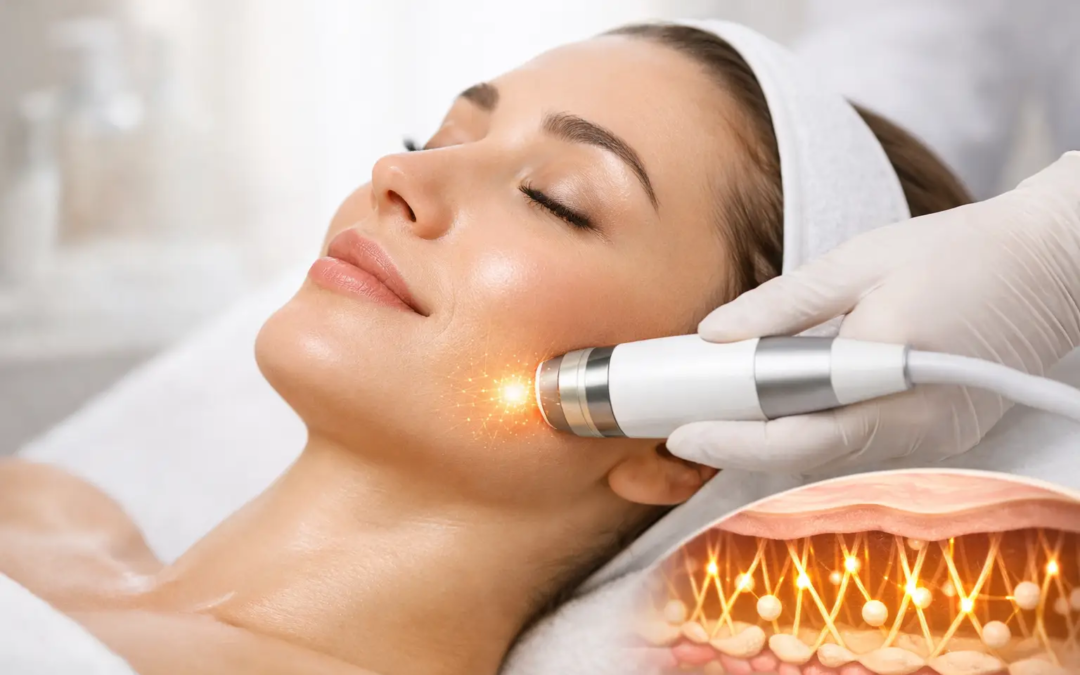
Skin tightening treatments are designed to interrupt that decline. Most non-surgical tightening technologies work by delivering controlled heat or energy into targeted layers of tissue. That energy causes a precise injury response without creating the kind of damage associated with surgery. Your body recognizes the treated area as needing repair, and fibroblasts – the cells responsible for producing collagen – become more active.
At first, some collagen fibers contract, which can create an early tightening effect. The more meaningful change happens gradually. Over the following weeks and months, the skin produces new collagen and often some elastin as well. This remodeling process helps improve firmness, texture, and overall skin quality.
That timeline matters. Many people expect instant transformation, but collagen renewal is a biological process, not a surface trick. Good skin tightening is less about forcing dramatic change overnight and more about encouraging your skin to behave in a healthier, younger way over time.
Why heat-based treatments are so effective
The most common way to stimulate collagen through skin tightening is with heat. Technologies such as ultrasound and radiofrequency are popular because they can deliver energy below the skin’s surface while protecting the outer layer. That matters when you want visible improvement with minimal downtime.
Heat works because collagen responds to temperature. When specific tissue layers are warmed to the right range, existing collagen contracts and the wound-healing response begins. That response includes increased fibroblast activity and collagen remodeling. Think of it as waking up sluggish support structures and encouraging them to rebuild.
Different devices reach different depths. Some target superficial laxity and fine textural concerns, while others reach the deeper foundational layers that influence lifting and contour. This is one reason treatment selection should never be one-size-fits-all. A patient with mild cheek laxity, for example, may need a different approach than someone concerned about early jowling or loose skin along the neck.
What types of skin tightening treatments boost collagen
Several non-surgical treatments can help stimulate collagen, but they do not all work the same way or produce the same feel and finish.
Ultrasound-based skin tightening is known for reaching deeper structural layers. It delivers focused energy below the skin to trigger collagen production in the tissue that supports firmness and lift. This can be a strong option for patients who want gradual improvement in areas like the lower face, jawline, and neck.
Radiofrequency treatments use heat to stimulate collagen in the dermis and sometimes deeper tissue, depending on the device. They are often chosen for improving mild to moderate laxity and can also help refine texture. Some patients prefer radiofrequency because it can feel more comfortable or suit maintenance plans well.
Microneedling-based treatments can also stimulate collagen, especially when paired with radiofrequency or growth-factor support. While traditional microneedling is often associated with texture, acne scars, and fine lines, it works through controlled micro-injury that prompts collagen formation. In the right patient, it can complement a tightening plan beautifully.
At a clinic like Medical Advanced Skin Care, the most appropriate recommendation depends on the degree of laxity, your skin quality, your comfort level with downtime, and how quickly you want to see change. The best treatment is not the trendiest one. It is the one that matches your skin’s current needs and your long-term goals.
What collagen stimulation feels like in real results
Patients often hear the word collagen and picture plumper, younger-looking skin, but the visible changes are usually more specific. When skin tightening stimulates collagen effectively, you may notice a firmer feel, better definition around the jawline, softer creasing, and skin that looks less tired or heavy. Texture can also improve because stronger support structures help the surface appear smoother.
The change is usually subtle at first. You may look more rested before you look noticeably tighter. That is often a good sign. Natural-looking rejuvenation tends to build in layers rather than announce itself all at once.
Results also depend on the starting point. If laxity is very advanced, a non-surgical treatment may improve firmness without creating the degree of lift a patient expects. That does not mean the treatment failed. It means the right conversation about realistic outcomes matters just as much as the device itself.
Factors that affect how well your skin builds collagen
Not every patient produces collagen at the same rate. Age plays a role, but it is not the only factor. Sun exposure, smoking history, nutrition, inflammation, hormone changes, genetics, and general skin health all influence how well the skin responds.
Consistency matters too. A single treatment may provide improvement, but some patients benefit more from a series or a combined approach. For example, someone with both laxity and crepey texture may see stronger overall results from pairing collagen-stimulating treatments instead of relying on one modality alone.
Home care also supports the process. Medical-grade skincare, daily sunscreen, hydration, and ingredients that encourage healthy cell turnover can help protect the collagen you are working to build. It makes little sense to invest in collagen stimulation while allowing ongoing UV damage to break collagen back down.
How long does it take to see collagen remodeling?
This is one of the most common questions, and the honest answer is that it depends on the treatment and the patient. Some people notice a mild early tightening effect within days or weeks, especially when collagen fibers contract. More significant collagen remodeling often becomes visible over two to six months.
That waiting period can feel slow, but it reflects real tissue change. Skin is rebuilding from within, not being masked at the surface. For many patients, that is exactly the appeal. They want to look fresher and firmer without looking overdone.
Maintenance is part of the conversation as well. Collagen production slows naturally with age, so even excellent results are not frozen in time. Periodic treatments and thoughtful skincare help preserve improvements and support long-term skin quality.
Is skin tightening right for everyone?
Not always. Skin tightening works best when there is mild to moderate laxity and enough skin quality left to respond well to stimulation. It can be an excellent choice for patients who want to delay more invasive procedures or maintain their appearance in a polished, natural way.
It may be less satisfying for someone expecting surgical-level lifting from a single appointment. In those cases, a consultation should be honest about what is possible, what is not, and whether combination treatment would produce a better result. Ethical recommendations protect both the patient experience and the outcome.
Skin tone, medical history, sensitivity, and lifestyle also matter. A personalized plan is what turns a promising technology into a smart treatment decision. That is especially true in aesthetics, where the goal is not simply to do more, but to do what makes sense for your face, your skin, and your comfort.
When patients understand how skin tightening stimulates collagen, they tend to make better choices and feel more confident in the process. Firmer skin is not just about heat or devices. It is about guiding the body to rebuild support where time has slowly taken it away. With the right treatment plan, that rebuilding can be subtle, elegant, and genuinely worth the wait.