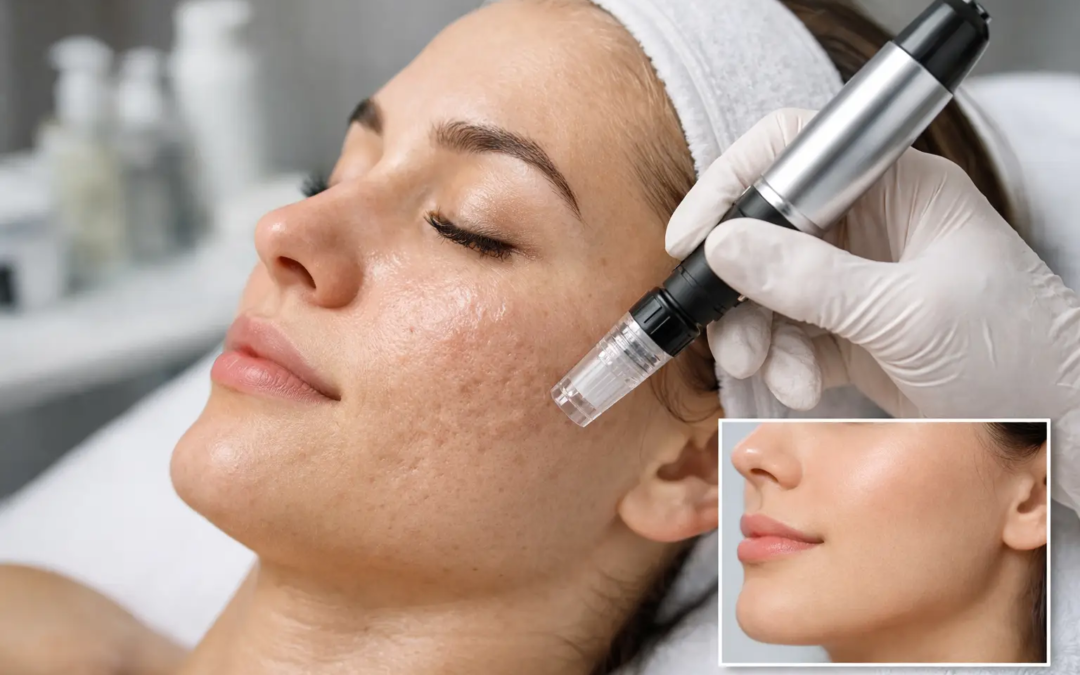
If acne is finally under control but your skin still looks uneven in certain light, you are not imagining it. Microneedling for post acne texture is one of the most effective in-office treatments for patients who want smoother skin, softer acne scarring, and a healthier-looking surface without surgery or extended downtime.
What makes post-acne texture frustrating is that it is rarely just one issue. Some patients have shallow rolling scars, others notice enlarged pores, rough patches, or small indented marks that makeup does not fully blur. In many cases, the skin needs collagen support more than another harsh exfoliating product. That is where professional microneedling can make a meaningful difference.
How microneedling for post acne texture works
Microneedling creates controlled micro-injuries in the skin using fine, medical-grade needles. This process stimulates the skin’s natural repair response and encourages new collagen and elastin production. Over time, that renewed collagen helps improve uneven texture, soften the look of certain acne scars, and create a smoother, firmer appearance.
For post-acne concerns, the goal is not to strip the skin down. It is to rebuild it in a precise, measured way. That distinction matters, especially for patients who have already tried aggressive scrubs, peels, or at-home devices and ended up with irritation instead of improvement.
Professional treatment also allows for customization. Needle depth, treatment intensity, and the spacing of sessions should be based on your skin type, scar pattern, sensitivity, and overall goals. A personalized plan typically leads to better results and a better recovery experience.
What kinds of acne texture changes respond best
Microneedling can be very helpful for mild to moderate textural irregularities, particularly rolling scars, shallow boxcar scars, and generalized roughness after breakouts. It can also improve the appearance of enlarged pores and support overall skin refinement.
That said, not every acne scar responds the same way. Deeper ice pick scars often need a combination approach, and more severe tethered scarring may improve only partially with microneedling alone. This is where an honest consultation matters. The best treatment plan is not the most aggressive one. It is the one that matches what your skin actually needs.
Patients with post-inflammatory discoloration may also benefit from microneedling, but texture and pigment are different concerns. If redness or dark marks are part of the picture, your provider may recommend pairing microneedling with other treatments or skincare strategies over time.
What to expect from treatment
A professional microneedling appointment begins with skin assessment and cleansing. A topical numbing cream is typically applied first to keep the treatment comfortable. Once the skin is prepared, the device is passed over the treatment area in a controlled pattern.
Most patients describe the sensation as manageable, with certain areas feeling more sensitive than others. After treatment, the skin usually looks pink to red, similar to a moderate sunburn. You may also feel warmth, tightness, or mild swelling for the first day or two.
Recovery is usually straightforward, which is one reason microneedling appeals to busy patients. Many people return to normal routines quickly, although the skin needs gentle care while it heals. That means no picking, no intense workouts immediately after treatment, and no active products unless your provider tells you they are safe to use.
The first improvement patients often notice is a fresher look to the skin. The deeper remodeling happens more gradually. Collagen renewal takes time, so changes in acne texture develop over a series of weeks and sessions rather than overnight.
How many sessions do you need?
This is one of the most common questions, and the honest answer is that it depends. A patient with mild roughness and early acne scarring may be happy after three sessions. Someone with more visible textural change often needs a series of four to six treatments, sometimes more, spaced several weeks apart.
Your age, skin healing response, scar depth, and home care all influence the timeline. Consistency matters. One treatment can refresh the skin, but a series is usually what delivers visible improvement in post-acne texture.
Maintenance can also be part of the plan. Once the main series is complete, occasional follow-up treatments may help support collagen and preserve results.
Why professional microneedling matters
At-home rollers and lower-grade devices are often marketed as shortcuts, but they do not offer the precision, safety, or results of a medical-grade treatment. Post-acne skin can be sensitive, and treating it incorrectly can lead to unnecessary inflammation, prolonged redness, or uneven results.
In a clinical setting, microneedling is performed with sterile technique, appropriate depth control, and a treatment plan designed around your skin’s history. That is especially important for patients with darker skin tones, reactive skin, or a history of post-inflammatory hyperpigmentation, where technique and aftercare can make a significant difference.
This is also why a consultation should cover more than just the device. Active acne, certain medications, recent sun exposure, and current skincare products can all affect whether you are ready for treatment. Responsible providers look at the whole picture, not just the scar itself.
SkinPen microneedling and post-acne texture
For patients considering microneedling for post acne texture, SkinPen is often a strong option because it is a professional, FDA-cleared device designed to create controlled, consistent microchannels in the skin. That consistency matters when the goal is visible improvement with a safe, structured treatment process.
A high-quality device does not replace expertise, but it supports it. When paired with a thoughtful provider, professional microneedling can improve texture while keeping the skin barrier in mind. That balance is part of what separates a medical aesthetics treatment from a one-size-fits-all facial.
At Medical Advanced Skin Care, this type of treatment is approached through a personalized lens, with attention to your skin history, your comfort, and the long-term health of your skin.
Who is a good candidate?
Many healthy adults with lingering acne texture are good candidates for microneedling, especially if they want gradual, natural-looking improvement without ablative downtime. It can be an excellent fit for patients who feel stuck between over-the-counter skincare that is not doing enough and more aggressive procedures that feel like too much.
The timing does matter, though. If you still have inflamed, active breakouts, your provider may recommend getting the acne itself more stable first. Treating over active acne can spread bacteria and create more irritation. Similarly, if your skin is sunburned, highly sensitized, or compromised, it may be better to wait.
This is one of those treatments where patience pays off. Starting at the right time, with the right protocol, usually leads to better skin and fewer setbacks.
How to support your results
Post-treatment care is simple but important. Gentle cleansing, hydration, and strict sun protection help the skin recover well. The skin can be more vulnerable after microneedling, so this is not the time for strong acids, retinoids, or exfoliating scrubs unless your provider tells you when to restart them.
Longer term, your results will also reflect how you care for your skin between visits. Ongoing breakouts can create new texture issues, and chronic sun exposure can work against collagen renewal. A smart maintenance plan often includes medical-grade skincare, regular follow-up, and a strategy tailored to your skin’s behavior, not trends.
Is it worth it?
For many patients, yes. Microneedling is worth considering when post-acne texture makes your skin feel less smooth, less polished, or less reflective of the effort you already put into skincare. It offers a middle ground that many people are looking for – clinically effective, non-surgical, and capable of producing meaningful improvement over time.
The key is having realistic expectations. Microneedling can improve texture significantly, but it does not erase every scar in one session or make all skin concerns disappear at once. What it often does very well is help skin look smoother, healthier, and more refined in a way that feels natural.
If you are tired of chasing temporary fixes for acne aftereffects, a personalized microneedling plan may be the step that helps your skin finally move from recovery to renewal.