If your skin looks tired even when you are well rested, makeup is starting to sit differently, or acne marks seem to linger longer than they used to, a prp facial for skin rejuvenation may be worth a closer look. This treatment appeals to people who want meaningful improvement in tone, texture, and glow without surgery and without looking overdone. It is one of the most talked-about regenerative treatments in aesthetics for a reason – it works with your body’s own healing response to help skin look healthier, smoother, and more refreshed.
At a well-run medical aesthetics clinic, PRP is not treated like a trend. It is evaluated as part of a larger skin plan, with attention to your concerns, your downtime tolerance, and the condition of your skin before treatment begins. That personalized approach matters because PRP can be highly effective, but the best results come from using it on the right candidate, in the right way, and often in combination with treatments that support long-term skin health.
What is a PRP facial for skin rejuvenation?
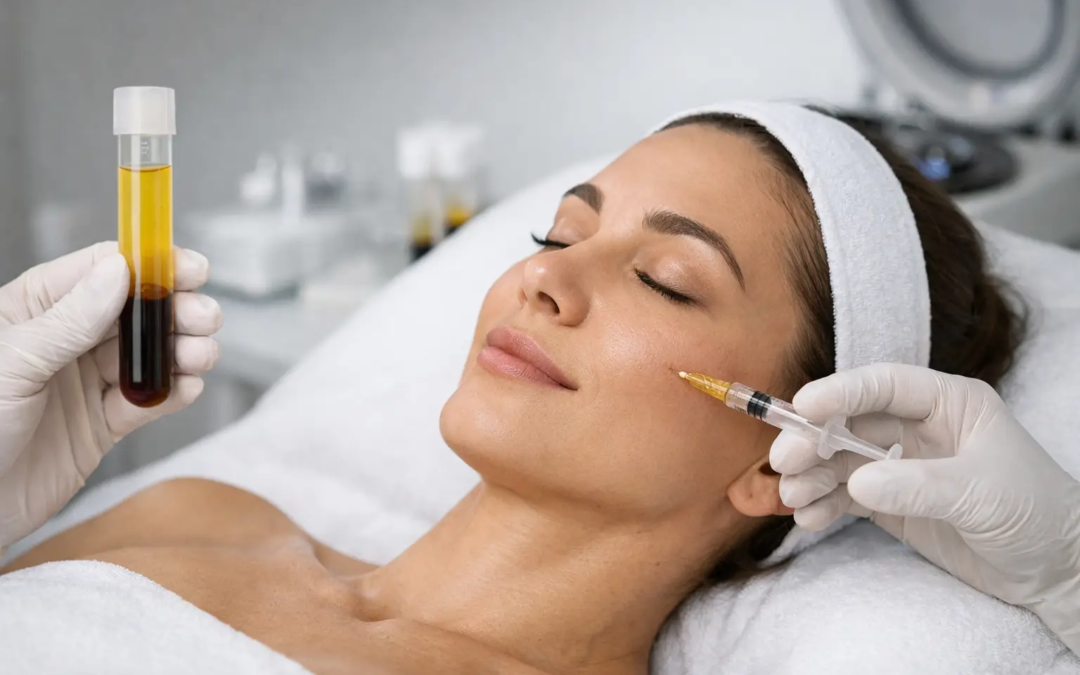
A PRP facial uses platelet-rich plasma, drawn from your own blood, to support skin repair and renewal. After a small blood draw, the sample is spun in a centrifuge to separate the platelet-rich portion. That concentrated plasma is then applied to the skin, typically after microneedling has created controlled microchannels.
You may also hear this called a Vampire Facial. While the name gets attention, the real value is in the science behind it. Platelets contain growth factors that signal the skin to repair itself. When paired with microneedling, PRP can help encourage collagen production, improve texture, and support a brighter, firmer appearance over time.
This is not the same as a quick glow facial at a spa. It is a medical aesthetics treatment designed to stimulate regeneration. That distinction is important if you are looking for visible change rather than a short-lived surface boost.
How PRP helps rejuvenate the skin
Skin aging and damage rarely show up in just one way. Some people notice crepey texture around the eyes. Others are more bothered by acne scarring, dullness, early laxity, or a rougher feel to the skin. PRP is valuable because it addresses several of these concerns through the skin’s natural repair process rather than by simply coating the surface.
The treatment can improve fine lines, uneven texture, enlarged pores, post-acne marks, and overall radiance. Many patients also choose it because they want their skin to look fresher without adding volume or changing facial movement. It is a subtle treatment in the best sense – the goal is healthier-looking skin that still looks like you.
Results tend to build gradually. You may notice some early brightness once the initial healing phase passes, but collagen remodeling takes time. Most people see the most meaningful improvement over several weeks, with continued refinement after a series of treatments.
What happens during treatment
The experience is usually straightforward and well tolerated. Your appointment begins with cleansing the skin and reviewing the treatment plan. A topical numbing cream is often applied to improve comfort. Then a small blood sample is taken and processed to isolate the platelet-rich plasma.
Once the skin is ready, microneedling is performed to create precise micro-injuries that trigger repair. The PRP is applied during or immediately after this step so it can penetrate more effectively. Depending on the treatment area and the intensity of the session, the full appointment may take about an hour or a little longer.
Afterward, the skin often looks pink to red, similar to a moderate sunburn. Some patients feel warmth, tightness, or mild swelling for a day or two. By the time that initial redness settles, the skin typically starts to look smoother and more radiant.
Who is a good candidate?
A PRP facial for skin rejuvenation is often a strong choice for adults who want a natural approach to improving skin quality. It can be especially appealing if you are not ready for more aggressive procedures, or if you want to support collagen production with minimal interruption to your routine.
It is commonly recommended for early signs of aging, sun damage, uneven tone, acne scarring, and skin that simply looks less vibrant than it used to. It can work for a wide range of skin types, which is one reason it remains a popular option in South Florida, where concerns about sun exposure and texture changes are common.
That said, not every patient is an ideal fit at every moment. If you have active acne breakouts, an active skin infection, certain blood disorders, or you are taking specific medications, your provider may recommend delaying treatment or choosing another option first. This is where an honest consultation matters. Ethical recommendations are part of good aesthetics care.
PRP facial results – what to expect realistically
PRP has earned a strong reputation, but it helps to go in with clear expectations. This is not a one-day transformation, and it is not meant to replace surgery or deeper resurfacing when those are truly indicated. What it can do very well is improve skin quality in a natural, progressive way.
Many patients notice healthier glow and a smoother feel after the first treatment. For concerns like acne scarring, fine lines, or visible textural change, a series is usually recommended. Three sessions spaced several weeks apart is common, though your skin condition and goals may shift that plan.
Maintenance also matters. Skin continues to age, and environmental stress does not stop after one appointment. Periodic follow-up treatments, paired with medical-grade skincare and sun protection, help preserve results and keep the skin moving in the right direction.
PRP compared with other rejuvenation treatments
PRP is not the answer to every concern, which is why treatment planning should never be one-size-fits-all. If your main issue is pigmentation, a light-based treatment may be more efficient. If laxity is your biggest concern, skin tightening technology may deliver better structure support. If surface dullness is mild, a HydraFacial or chemical peel may be enough to refresh the skin with less downtime.
Where PRP stands out is regeneration. It is particularly useful when you want to improve texture, support collagen, and enhance healing in a way that feels biologically aligned with your body. For some patients, it is the hero treatment. For others, it is one part of a broader plan that may also include microneedling, peels, BBL, or advanced skincare.
That is often the difference between average and excellent outcomes. The best providers do not force every skin concern into the same treatment category. They match the treatment to the skin in front of them.
Why provider technique matters
PRP may sound simple on paper, but quality varies significantly based on how the treatment is performed. Blood processing protocols, microneedling depth, skin preparation, sanitation, and post-care instructions all influence the experience and the result.
A clinical setting matters because this is a treatment that blends regenerative medicine with aesthetic technique. You want a provider who understands not just how to perform the service, but when to recommend it, how to tailor it, and how to combine it strategically if your skin needs more than one solution.
At Medical Advanced Skin Care, that kind of thoughtful customization is central to the patient experience. The goal is not to sell a trendy facial. It is to create visible, lasting improvement with a plan that respects your skin, your comfort, and your long-term confidence.
Aftercare and downtime
Most patients can return to normal activities quickly, but the first 24 to 72 hours require some care. Your provider may ask you to avoid intense workouts, hot environments, direct sun exposure, and active skincare ingredients right after treatment. Gentle cleansing, hydration, and sun protection become especially important during the healing window.
You should also expect a little patience. Skin can feel dry or look slightly rough as it recovers, especially after microneedling. That temporary phase is normal. Picking at the skin or restarting harsh products too soon can interfere with healing and compromise your result.
If you have a busy schedule, timing your appointment a few days before a major event is usually wiser than doing it the day before. The glow is real, but so is the initial redness.
Is it worth it?
For the right patient, yes. PRP is worth considering when your goal is stronger, healthier-looking skin and you value gradual, authentic improvement over dramatic change. It is especially appealing if you like the idea of using your body’s own regenerative potential to support collagen and recovery.
The real question is not whether PRP is good in general. It is whether it is good for your skin, your goals, and this stage of your aesthetic journey. That answer depends on what you want to improve, how much downtime you can manage, and whether you are prepared to support the treatment with proper skincare and maintenance.
When done thoughtfully, PRP can be one of the most rewarding ways to restore brightness, soften textural concerns, and help your skin look as vibrant as you feel. If your reflection seems a little less fresh than it used to, this may be the kind of treatment that brings your skin back into balance – naturally, elegantly, and with results that build confidence over time.