Texture that looks uneven under bathroom lighting, makeup that settles into fine lines, and lingering acne marks can make skin feel harder to manage than it should. This skin resurfacing treatment guide explains how professional treatments refresh the skin’s surface, what results are realistic, and why the right approach depends on your skin history, goals, and lifestyle.
Skin resurfacing is not a single procedure. It is a category of treatments designed to improve the appearance of rough texture, dullness, enlarged pores, fine lines, discoloration, acne scarring, and sun-related changes. Some treatments work by gently removing dead surface cells. Others use controlled energy or collagen-stimulating techniques to encourage healthier-looking skin over time.
The goal is not to erase every line or change your face. Thoughtful resurfacing helps your skin look smoother, clearer, more even, and more refreshed while respecting its natural character.
What Skin Resurfacing Can Treat
Healthy skin naturally sheds and renews itself, but that cycle can slow with age, sun exposure, breakouts, stress, and environmental damage. When dead cells remain on the surface, skin can appear flat or feel rough. Beneath the surface, collagen loss and prior inflammation may contribute to fine lines, scars, and uneven texture.
Professional resurfacing treatments can address concerns such as persistent dullness, rough patches, mild to moderate acne scarring, post-breakout marks, visible pores, fine lines, uneven tone, and sun spots. Results vary by concern. Surface dullness may improve quickly after a facial exfoliation treatment, while scars and deeper textural changes often need a series of treatments and time for collagen remodeling.
A treatment plan should also consider what resurfacing cannot reliably do. Significant skin laxity, deep folds, and severe scarring may require a different approach or a combination plan. Ethical aesthetic care means being clear about those boundaries before treatment begins.
Skin Resurfacing Treatment Guide: Your Main Options
The best treatment is not necessarily the strongest one. It is the one that safely matches your skin condition, tolerance for downtime, and desired pace of improvement.
Chemical peels
Chemical peels use carefully selected solutions to exfoliate the outer layers of skin. Light peels can brighten dull skin, smooth minor texture, and help with congestion with little to no social downtime. More corrective peels can target visible discoloration, acne-related concerns, and more established texture changes, but they may involve peeling, redness, and a more structured recovery period.
In South Florida, where sun exposure is a year-round reality, post-peel protection matters as much as the peel itself. Freshly treated skin is more vulnerable to irritation and pigment changes if it is exposed to heat or UV radiation too soon. Your provider should help determine the right peel depth and timing for your schedule.
Microneedling and PRP-supported treatments
SkinPen microneedling creates controlled microchannels in the skin to stimulate the natural collagen response. It is often selected for texture, enlarged pores, fine lines, and certain acne scars. Improvements tend to develop gradually as the skin rebuilds, rather than appearing overnight.
When platelet-rich plasma is incorporated into a Vampire Facial-style treatment, it may support the recovery process using components derived from your own blood. This can be an appealing option for clients who want a regenerative approach, though candidacy and expected results should always be discussed individually. Microneedling is usually performed as a series, especially when scar improvement is a priority.
Laser and light-based resurfacing
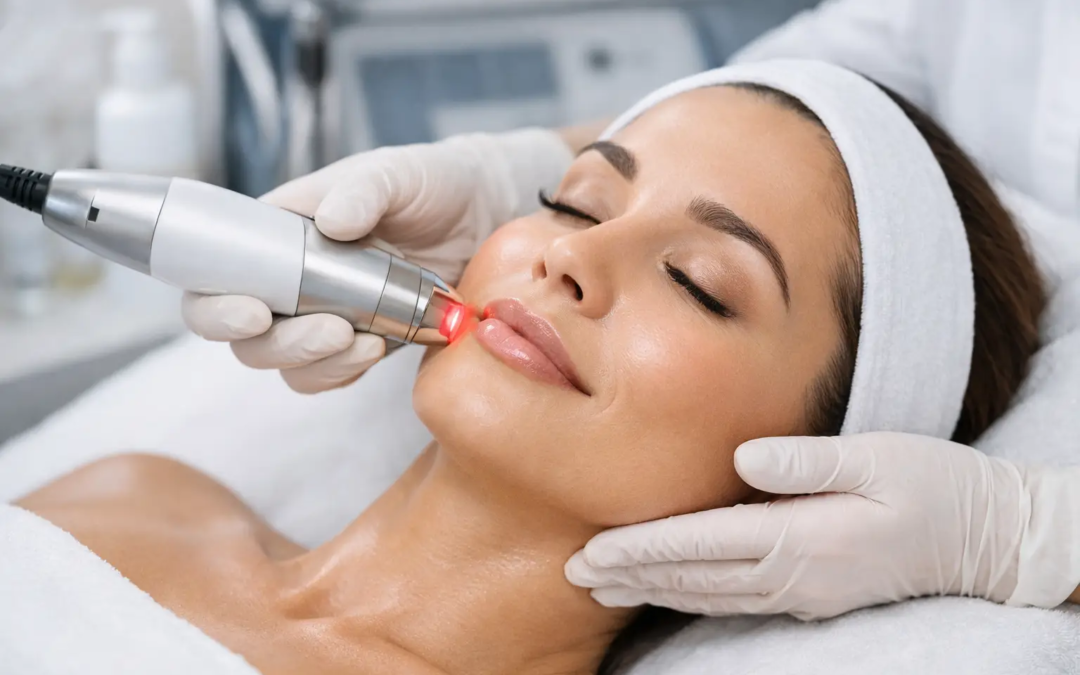
Laser resurfacing and light-based treatments use targeted energy to address specific concerns. A carbon peel laser facial, for example, can help refine the look of congested, oily, or dull skin while providing a polished, refreshed appearance. BroadBand Light, often called BBL, is commonly used for visible sun damage, redness, brown spots, and uneven tone.
These are not interchangeable treatments. Light-based technology is generally chosen for color concerns, while other resurfacing methods may be better for texture and scars. Skin tone, recent sun exposure, medical history, and active skincare ingredients all influence which technologies can be used safely.
Dermaplaning and microdermabrasion
For clients seeking immediate smoothness with minimal recovery, dermaplaning and microdermabrasion can be excellent maintenance options. Dermaplaning removes surface buildup and fine facial hair with a sterile blade, creating a soft, makeup-ready finish. Microdermabrasion uses mechanical exfoliation to refresh dull, congested skin.
These treatments are less corrective than a peel, laser, or microneedling series, but they have value. They can support a consistent skincare routine, improve the look of surface texture, and provide a welcome reset before an event. They are also often used between more intensive treatments when appropriate.
How to Choose the Right Level of Treatment
Start with your primary concern. If uneven pigment and sun spots are your biggest frustration, a light-based treatment or targeted peel may make more sense than microneedling alone. If acne scars and pores are the focus, collagen-stimulating treatments may be the stronger choice. For a quick glow and smoother makeup application, dermaplaning, oxygen facials, or gentle exfoliation may be enough.
Then consider downtime honestly. A treatment with a few days of redness or visible peeling can be worthwhile, but not if you have a beach weekend, work presentation, or major event ahead. Florida heat, humidity, and outdoor activity can also affect recovery planning. Scheduling is part of safety, not just convenience.
Your skin type and history matter, too. Clients with melasma, deeper skin tones, a tendency toward post-inflammatory hyperpigmentation, active acne, rosacea, or a history of cold sores need a tailored protocol. More aggressive is not always better. Carefully paced treatment, proper preparation, and medical-grade home care can lead to more reliable results with less unnecessary irritation.
What Recovery Really Looks Like
Recovery can range from no downtime to several days of visible flaking, tightness, redness, or mild swelling. The exact response depends on the treatment intensity and your individual skin. Even low-downtime services require gentle aftercare.
After resurfacing, keep the routine simple. Use the products your provider recommends, avoid picking or scrubbing, and pause potentially irritating ingredients such as retinoids or exfoliating acids until you are cleared to restart them. Heat-heavy workouts, saunas, swimming pools, and direct sun exposure may need to be avoided temporarily.
Sunscreen is nonnegotiable. Daily broad-spectrum SPF helps protect your investment and reduces the risk that treated pigmentation returns or worsens. A wide-brimmed hat and intentional shade are especially helpful during South Florida’s brightest hours.
It is also wise to avoid scheduling resurfacing immediately before a vacation, wedding, or photo-heavy event unless your provider has recommended a treatment specifically suited for that timeline. Skin can look beautifully renewed after recovery, but it needs room to complete the process.
Why Personalized Treatment Plans Deliver Better Results
A single treatment can make skin look brighter, but lasting improvement usually comes from a strategic plan. That may include a series of microneedling appointments for scars, BBL sessions for sun damage, seasonal peels for tone, or maintenance facials that keep surface buildup in check.
At Medical Advanced Skin Care, personalized recommendations begin with understanding the skin in front of us, not pushing a predetermined menu. A good consultation reviews your goals, current routine, medications, past procedures, upcoming events, and comfort level with downtime. From there, treatment can be paced in a way that supports visible progress and long-term skin health.
The most satisfying resurfacing results tend to look natural: smoother texture, a more even glow, and skin that appears rested rather than treated. Choose a plan that feels sustainable, protect your results daily, and give your skin the patience and professional care it deserves.