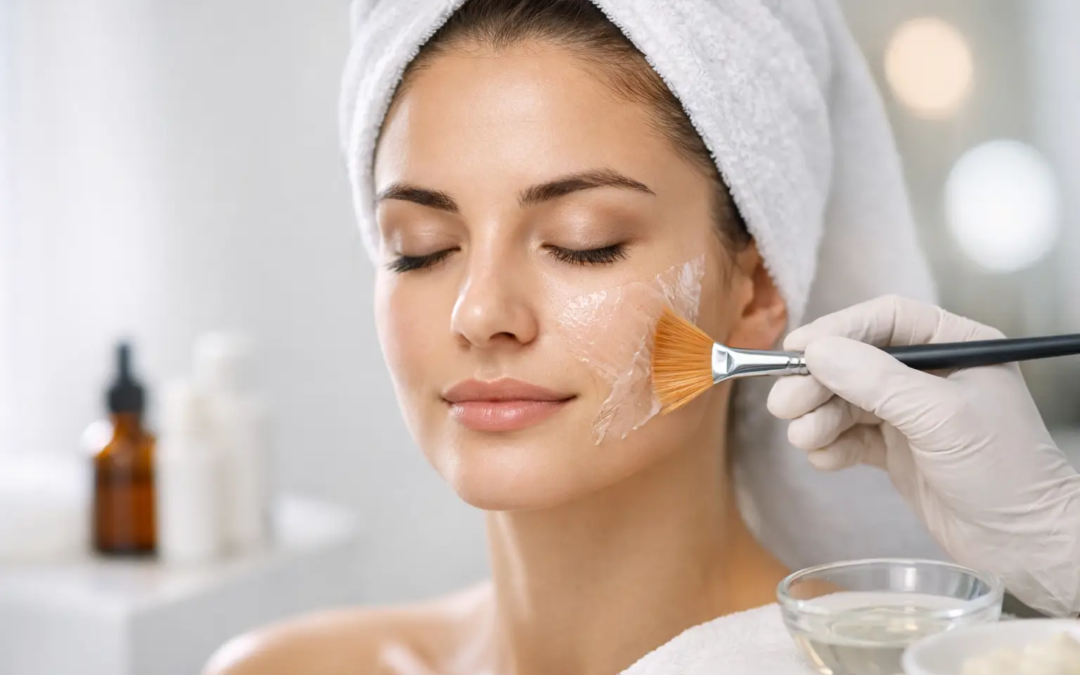
A chemical peel can do a lot in one treatment room visit – soften acne marks, brighten sun damage, smooth rough texture, and help tired skin look clearer and more refined. But the best results usually come from one question first: who is candidate for chemical peel treatment, and is it the right choice for your skin right now?
That answer is rarely one-size-fits-all. The right peel depends on your skin tone, sensitivity, goals, lifestyle, and medical history. In a clinical setting, a peel should be selected with intention, not simply chosen because it is popular or trending.
Who Is a Candidate for Chemical Peel?
In general, a good candidate for a chemical peel is someone who wants to improve visible skin concerns without surgery or significant downtime. Many patients seek peels to address dullness, uneven tone, mild acne scarring, fine lines, breakouts, enlarged-looking pores, or sun-related discoloration. If your skin feels rough, looks congested, or has lost some of its brightness, a peel may be an effective way to reset it.
The strongest candidates are also realistic about the process. A chemical peel can create beautiful improvement, but it is not a miracle fix in a single session for every concern. Some people do well with a light peel before an event, while others need a series of treatments as part of a more complete skin plan.
Good candidates also tend to be consistent. They are willing to follow pre-treatment instructions, wear sunscreen daily, and support their results with proper home care. That matters because even an excellent peel can be undermined by sun exposure, picking, or using the wrong products afterward.
Skin Concerns That Often Respond Well
Chemical peels work by encouraging controlled exfoliation and skin renewal. That makes them especially useful for surface-level concerns and early to moderate signs of aging.
Uneven tone and sun damage
If you have freckles, patchy pigmentation, or general discoloration from years of sun exposure, a peel may help brighten the complexion and create a more even appearance. In South Florida, this is one of the most common reasons patients consider treatment. Daily UV exposure can leave skin looking weathered long before wrinkles become the main concern.
Acne and post-acne marks
Many candidates ask about peels because they are dealing with active breakouts, clogged pores, or lingering marks after acne clears. Certain peels can help reduce congestion, calm oiliness, and fade superficial post-inflammatory discoloration. If acne is severe, cystic, or hormonally driven, a peel may still help, but it often works best as part of a broader treatment strategy.
Fine lines and texture
A peel can be a strong option for patients noticing crepey skin, early fine lines, or a rough, uneven surface. Light to medium-depth peels are often chosen to refine texture and support smoother-looking skin over time. The effect is usually a fresher, healthier look rather than a dramatic surgical change.
Dull or tired-looking skin
Sometimes the concern is not a specific flaw but an overall loss of radiance. Skin can start to look flat from buildup, dehydration, stress, or environmental exposure. A well-chosen peel can revive that glow and improve how the skin reflects light.
Skin Tone Matters – But It Does Not Automatically Rule You Out
One of the biggest misconceptions is that chemical peels are only for fair skin. That is not true. Many people with medium, olive, tan, brown, and deep skin tones can be excellent candidates for chemical peels when the treatment is selected carefully.
The key is customization. Darker skin tones can be more prone to post-inflammatory hyperpigmentation if a peel is too aggressive or performed without the right preparation. That does not mean peels are off the table. It means your provider should understand how to choose the correct peel type, depth, timing, and aftercare for your skin.
This is where medical judgment matters. A personalized approach helps protect the skin barrier while still targeting concerns like acne marks, melasma tendencies, or uneven tone. At Medical Advanced Skin Care, that type of individualized planning is central to achieving visible results safely.
Who May Need to Wait or Choose Another Treatment
Not everyone is an immediate candidate, and that is part of ethical aesthetic care. Sometimes the safest recommendation is to postpone treatment, prep the skin first, or choose a different service.
Very sensitive or inflamed skin
If your skin is currently irritated, peeling, windburned, or reacting to strong active ingredients, a chemical peel may be too much at the moment. The skin barrier may need time to recover before a peel is introduced.
Active infections, open skin, or certain breakouts
Cold sores, cuts, severe inflammation, or active skin infections can make treatment inappropriate until the area has healed. In some cases, patients with inflamed acne need to calm the skin first before moving into peel-based resurfacing.
Pregnancy, nursing, or medication considerations
Some peel ingredients may not be ideal during pregnancy or while nursing, depending on the formula and your provider’s protocols. Medications also matter. Recent isotretinoin use, certain topical prescriptions, or photosensitizing drugs may affect whether a peel is recommended and when.
Unrealistic expectations
If someone wants deep scars erased instantly or expects a peel to replace more advanced procedures, they may not be the right candidate for that treatment alone. A peel can improve many concerns, but it has limits. Good treatment planning means matching the service to the result you actually want.
Lifestyle Factors That Influence Candidacy
Being a candidate is not just about skin type. It is also about how you live before and after treatment.
If you spend long hours in the sun, have an upcoming beach vacation, or know you will not be diligent with SPF, timing matters. Freshly treated skin is more vulnerable to sun damage and pigment changes. In South Florida, where outdoor exposure is constant, this point deserves extra attention.
You should also think about downtime tolerance. Some peels are light and leave you with only mild flaking, while others cause visible peeling for several days. If you have an important social event, photos, or travel plans, your provider may adjust the treatment depth or schedule.
What a Consultation Should Evaluate
A quality consultation goes beyond asking what peel you want. It should evaluate why you want it, whether your skin is prepared for it, and what level of treatment makes sense.
Your provider should assess your skin tone, texture, oil production, sensitivity, acne activity, pigment patterns, and medical history. They should also ask about recent treatments, current skincare products, and your comfort with downtime. This is how a peel becomes a personalized treatment rather than a generic menu choice.
For some patients, the best first step is a lighter peel or a series of progressive treatments. For others, combining a peel with a broader skin rejuvenation plan may lead to better long-term results. The right recommendation should feel thoughtful, not pushed.
Signs You May Be a Strong Candidate for a Chemical Peel
You may be a strong candidate if you want brighter, smoother skin and have concerns like mild acne, discoloration, rough texture, early fine lines, or dullness. You are also more likely to do well if your skin is healthy overall, you can avoid excess sun during healing, and you are willing to follow aftercare closely.
You may need a modified approach if you have deeper skin tones, reactive skin, melasma, or a history of pigmentation changes. That does not disqualify you. It simply means your treatment should be selected with more precision.
And if a provider tells you that now is not the right time for a peel, that can be a good sign. Thoughtful aesthetic care is not about saying yes to every treatment. It is about protecting your skin while moving you toward results that are both visible and sustainable.
The Best Candidate Is the One With the Right Plan
When people ask who is candidate for chemical peel services, the most accurate answer is this: the best candidate is someone whose skin concerns, skin health, and treatment goals align with the right peel at the right time. That may sound simple, but it is exactly what makes the difference between a disappointing experience and one that leaves your skin clearer, smoother, and more confident-looking.
If you have been considering a chemical peel, the smartest next step is not guessing your way through treatment options. It is getting your skin evaluated by a qualified professional who can tell you what fits, what does not, and what will truly move your skin forward.