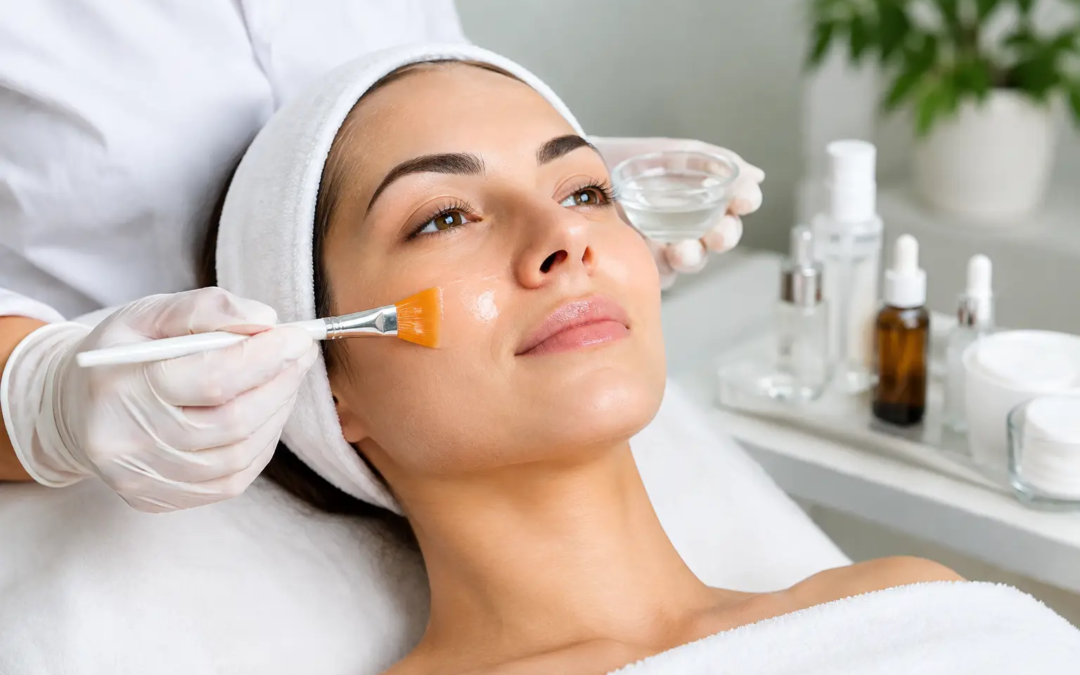
A peel that leaves a friend glowing can leave your skin irritated, overly dry, or uneven if it is not the right match for you. The best chemical peel selection tips begin with a simple shift in perspective: choose a treatment for your current skin condition, not for the strongest result someone else received. A properly selected peel can brighten dullness, soften the look of fine lines, clear congestion, and improve uneven tone while respecting your skin’s natural barrier.
At Medical Advanced Skin Care, peel recommendations are built around your skin goals, history, tone, lifestyle, and tolerance for recovery. That personalized approach matters, particularly in South Florida, where sun exposure, heat, humidity, and active outdoor routines can affect both results and aftercare.
Start With the Concern You Want to Treat
Chemical peels work by applying a carefully selected solution that encourages controlled exfoliation and skin renewal. But “chemical peel” is a category, not one treatment. The ideal formula and depth depend on whether you are focused on a quick refresh or a more corrective plan.
For dull skin, rough texture, mild congestion, or a pre-event glow, a light superficial peel may be enough. These treatments typically work in the outermost layers of skin, with minimal visible peeling and limited downtime. They are often a good fit for clients who want refreshed-looking skin but cannot step away from work, social plans, or regular routines for long.
For persistent breakouts, post-acne marks, visible pores, or early signs of aging, a series of professional peels may produce more meaningful change than a single aggressive treatment. Repeated, appropriately spaced treatments allow your provider to adjust the protocol as your skin responds.
More pronounced sun damage, deeper discoloration, or advanced texture concerns may call for a stronger corrective approach. Stronger is not automatically better, however. It can mean more peeling, more sensitivity, and a longer recovery period. The right choice is the peel that moves you toward your goal without creating unnecessary stress for your skin.
Chemical Peel Selection Tips for Your Skin Tone
Skin tone should always be part of the treatment conversation. Clients with medium, tan, olive, brown, or deep skin tones can achieve beautiful results with chemical peels, but they need a thoughtful approach. When skin becomes inflamed or is exposed to too much sun during recovery, it may be more vulnerable to post-inflammatory hyperpigmentation – dark marks that can linger after irritation has faded.
This does not mean you should avoid peels. It means the provider should select the formulation, concentration, timing, and preparation plan with care. A gradual series of superficial treatments may be a wiser choice than immediately pursuing an aggressive peel. Your provider may also recommend a targeted home-care routine to support pigment control and barrier health before and after treatment.
Be especially open about whether you have developed dark marks after acne, waxing, insect bites, procedures, or irritation in the past. That history offers useful information about how your skin may react. Honest details lead to safer recommendations and more predictable results.
Consider Your Sensitivity and Skin Barrier
If your skin stings when you apply basic products, flakes around the nose or mouth, looks persistently red, or feels tight after cleansing, your barrier may need attention before a peel. Proceeding too soon can turn a rejuvenating treatment into an uncomfortable recovery period.
A skilled provider may recommend calming your skin first with gentle cleansing, hydration, strategic product adjustments, and strict sunscreen use. This is not a delay without purpose. Healthy, well-supported skin generally tolerates treatment more evenly and recovers more comfortably.
Sensitive skin does not rule out professional exfoliation. It simply calls for restraint and expertise. The treatment might involve a gentler peel, fewer passes, a shorter contact time, or a plan that alternates exfoliating treatments with restorative facials. Your skin should look refined and healthy, not pushed past its limits.
Share Your Products and Recent Treatments
Bring your full skincare routine into the consultation, including retinoids, exfoliating acids, benzoyl peroxide, vitamin C products, prescription acne medications, and any brightening treatments. Even products that seem routine can influence how reactive your skin is on peel day.
Recent waxing, dermaplaning, laser treatments, microneedling, or prolonged sun exposure can also affect timing. In some cases, spacing treatments apart is the safest way to protect your skin and preserve results. Do not stop prescription medications without guidance from the clinician who prescribed them, but do make sure your aesthetics provider knows what you use.
Be Realistic About Downtime and Sun Exposure
Downtime is not just about visible flaking. It also includes how long your skin may feel dry, sensitive, tight, or more reactive to heat and sunlight. A superficial peel may involve mild dryness or fine peeling for a few days. A more intensive peel may create noticeable shedding and require a more deliberate recovery schedule.
Before selecting a peel, look at your calendar. If you have a beach weekend, outdoor sporting event, wedding, business photos, or travel coming up, timing matters. Freshly treated skin needs diligent sun protection, and Florida sunshine can make post-treatment care more challenging.
For many clients, the best timing is several weeks before a major event rather than a few days before it. That allows the skin to complete its recovery and reveal the smoother, brighter result you wanted. If your goal is long-term improvement, start early enough to complete a treatment series without rushing.
Aftercare Is Part of the Treatment
A chemical peel does not end when you leave the treatment room. Avoid picking, scrubbing, or trying to speed up visible peeling. Pulling at shedding skin can lead to irritation and uneven healing. Use the products recommended for your recovery, keep the skin moisturized, and wear broad-spectrum sunscreen every day.
You may need to pause exfoliating products, retinoids, and other active ingredients temporarily. This is one reason professional guidance matters: aftercare should match the peel you received and the way your skin is responding, rather than following a generic online timeline.
Know When a Peel Is Not the First Choice
Chemical peels are highly versatile, but they are not the answer to every concern. If your primary goal is skin tightening, significant facial laxity, facial volume restoration, unwanted hair reduction, or redness from vascular concerns, another treatment may be more aligned with the result you want.
Sometimes the strongest plan combines treatments at carefully planned intervals. For example, a peel may support brighter tone and smoother texture, while microneedling, BBL, or skin-tightening technology addresses a different aspect of skin aging. The sequence matters. Combining too much too quickly can compromise your barrier and interfere with recovery.
A consultation should feel educational, not pressured. Ask what the peel is designed to improve, what recovery will look like, how many treatments may be recommended, and what alternatives make sense for your goals. A provider who can explain why a gentler option may serve you better is prioritizing your skin health over a quick sale.
Choose Progress You Can Maintain
The most satisfying peel results often come from consistency, not intensity. One client may thrive with periodic light peels for year-round brightness and congestion control. Another may benefit from a focused corrective series followed by seasonal maintenance. Your routine, sun habits, skin history, and desired level of downtime should shape that plan.
The right peel should leave you feeling cared for, informed, and confident in what comes next. When clinical expertise guides the choice and aftercare supports the process, your treatment becomes more than a temporary glow – it becomes a thoughtful investment in healthier-looking skin.