
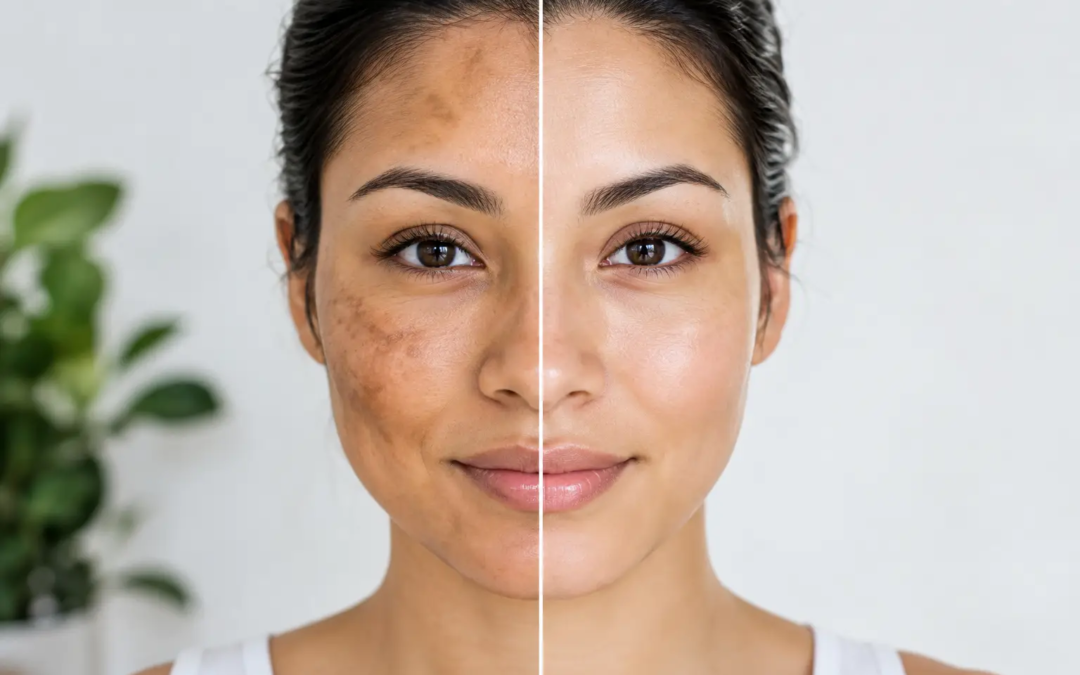
A few extra minutes in the South Florida sun can make dark spots look more noticeable, especially across the cheeks, forehead, upper lip, and jawline. Facial hyperpigmentation is common, but that does not make it simple. The most effective path to clearer-looking skin begins with identifying why pigment developed, how your skin responds to treatment, and what will protect your results long term.
At Medical Advanced Skin Care, the focus is never on aggressively chasing a quick fix. Healthy pigment correction requires a thoughtful plan that respects your skin barrier while using proven, professional treatments to improve tone, texture, and confidence.
What Causes Facial Hyperpigmentation?
Hyperpigmentation occurs when melanocytes, the cells responsible for skin color, produce excess melanin. That pigment can collect in concentrated areas, creating spots, patches, or uneven tone. It may appear gradually or become more visible after sun exposure, inflammation, or hormonal shifts.
Sun exposure is one of the most common contributors. Ultraviolet light signals the skin to produce melanin as a protective response. In a bright climate like Florida, even routine driving, walking, or sitting near a window can add up over time. Freckles, sunspots, and diffuse discoloration often become more apparent after repeated exposure without consistent broad-spectrum sunscreen.
Inflammation is another major trigger. A blemish, insect bite, rash, waxing irritation, or an overly harsh exfoliating product can leave behind post-inflammatory hyperpigmentation. This is particularly common after acne and can affect every skin tone. The spot may remain long after the original breakout has healed.
Hormonal pigment changes, often called melasma, tend to appear as broader, symmetrical patches on the cheeks, forehead, nose, or upper lip. Pregnancy, birth control, hormone changes, heat, and sunlight can all play a role. Melasma is manageable, but it can be persistent and typically needs a more cautious maintenance strategy than a single sunspot.
Why the Right Diagnosis Matters
Dark spots may look similar at first glance, yet their causes can be very different. Treating post-acne marks exactly like melasma, for example, may lead to disappointing results or unnecessary irritation. Skin tone, sensitivity, active acne, current medications, history of melasma, and recent sun exposure all influence which approach is appropriate.
This is why professional guidance matters. A consultation allows your provider to assess the pattern, depth, and likely cause of discoloration before recommending treatment. Some pigment sits closer to the surface and may respond well to controlled exfoliation. Deeper or hormonally driven pigment may require a slower course of care and consistent maintenance.
There is also a safety consideration. Any new, changing, raised, irregular, or bleeding spot should be evaluated by a medical professional before cosmetic treatment. Aesthetic care is best reserved for pigmentation that has been properly assessed.
Professional Treatments for Uneven Pigment
The best treatment for facial hyperpigmentation depends on the skin in front of you, not a trend or a one-size-fits-all package. Many clients achieve their best results through a series of treatments paired with medical-grade home care and diligent sun protection.
Chemical Peels
Professional chemical peels use carefully selected acids and active ingredients to encourage surface cell turnover. By helping shed dull, pigment-heavy cells, peels can improve the appearance of sunspots, post-acne marks, uneven tone, and rough texture.
A customized peel can range from light and refreshing to more corrective, depending on your goals and recovery preferences. Treatments such as the Miami Peel may be considered when discoloration is paired with acne, congestion, or textural concerns. The trade-off is that stronger is not always better. Over-exfoliating compromised or highly reactive skin can create inflammation, which may worsen pigment rather than improve it.
BroadBand Light Therapy
BroadBand Light, or BBL, uses targeted light energy to address visible pigment and signs of sun damage. It can be an excellent option for select clients with freckles, brown spots, redness, and overall uneven tone. After treatment, pigmented areas may temporarily darken before gradually lifting and fading as the skin renews.
Light-based treatment is highly technique- and skin-type-dependent. Not every form of pigmentation is a candidate, and melasma may need special caution because heat and light can trigger a flare in some individuals. A careful assessment helps determine whether BBL fits your goals or whether another approach is more appropriate.
SkinPen Microneedling and PRP
Microneedling creates controlled microchannels in the skin to support natural collagen production and renewal. SkinPen microneedling can be particularly helpful when post-acne discoloration appears alongside textural scarring, enlarged pores, or uneven skin quality. When paired with platelet-rich plasma in a PRP Vampire Facial, the treatment may further support a revitalized, healthy-looking complexion.
Microneedling is not primarily a pigment-erasing treatment, and expectations should be realistic. It is often chosen for its broader skin-renewing benefits, with pigment improvement developing as part of a personalized plan. Active breakouts, recent tanning, and certain skin conditions may mean it is better to wait.
Supporting Treatments for Brighter Skin
For some clients, dermaplaning, HydraFacial treatments, oxygen facials, or microdermabrasion can support a brighter, smoother appearance by addressing surface buildup and dehydration. These treatments can be valuable for maintenance and can help skin look more radiant before an event.
They are not substitutes for deeper corrective care when pigmentation is significant. Think of them as part of a well-rounded plan: they can improve how the skin reflects light, support product absorption when appropriate, and maintain a polished appearance between more targeted treatments.
Home Care Protects Your Investment
In-clinic treatment can create meaningful change, but daily habits determine how well those results hold. Sun protection is the foundation. Use a broad-spectrum sunscreen with SPF 30 or higher every morning, and reapply when you are outdoors, sweating, swimming, or spending extended time near sunny windows. Hats and sunglasses offer useful additional protection, especially during peak sun hours.
A well-chosen home regimen may also include pigment-supporting ingredients such as vitamin C, niacinamide, retinoids, azelaic acid, tranexamic acid, or other professional-strength options. The right formula and schedule depend on your skin type and treatment plan. Layering several strong actives at once can cause irritation, so more products do not automatically mean faster improvement.
Avoid picking at blemishes or using scrubs that leave your skin red and tender. When the skin barrier is inflamed, it is more likely to produce unwanted pigment. Consistency, gentleness, and targeted correction tend to outperform occasional aggressive treatments.
What Results Can You Expect?
Pigment correction takes patience. Some superficial discoloration may begin to look brighter after a few weeks, while deeper sun damage, acne marks, or melasma often require several months of consistent care. Results also depend on whether new triggers, particularly sun exposure and inflammation, are kept under control.
The goal is not necessarily perfectly uniform skin. Natural skin has variation. The goal is a clearer, more even, healthy-looking complexion that lets you feel comfortable in your skin with less reliance on coverage. A personalized treatment plan can make that goal feel realistic, measurable, and worth the time it takes.
If dark spots are affecting how you see your skin, a professional consultation can provide clarity before you commit to a treatment. With the right combination of clinical expertise, luxury care, and daily protection, brighter-looking skin can become part of your long-term routine.