A treatment can be clinically effective and still be the wrong choice for your skin at this moment. That is the real question behind BBL laser vs chemical peel: not which service is better in general, but which one addresses your specific concerns, lifestyle, skin tone, and desired recovery time.
For many South Florida clients, sun exposure is part of daily life. Brown spots, visible redness, uneven tone, enlarged pores, fine lines, and post-acne marks can all show up at once. BroadBand Light treatments and professional chemical peels can both create a clearer, more refreshed appearance, but they work through very different pathways. Understanding that distinction leads to safer treatment planning and more satisfying, lasting results.
BBL Laser vs Chemical Peel: The Core Difference
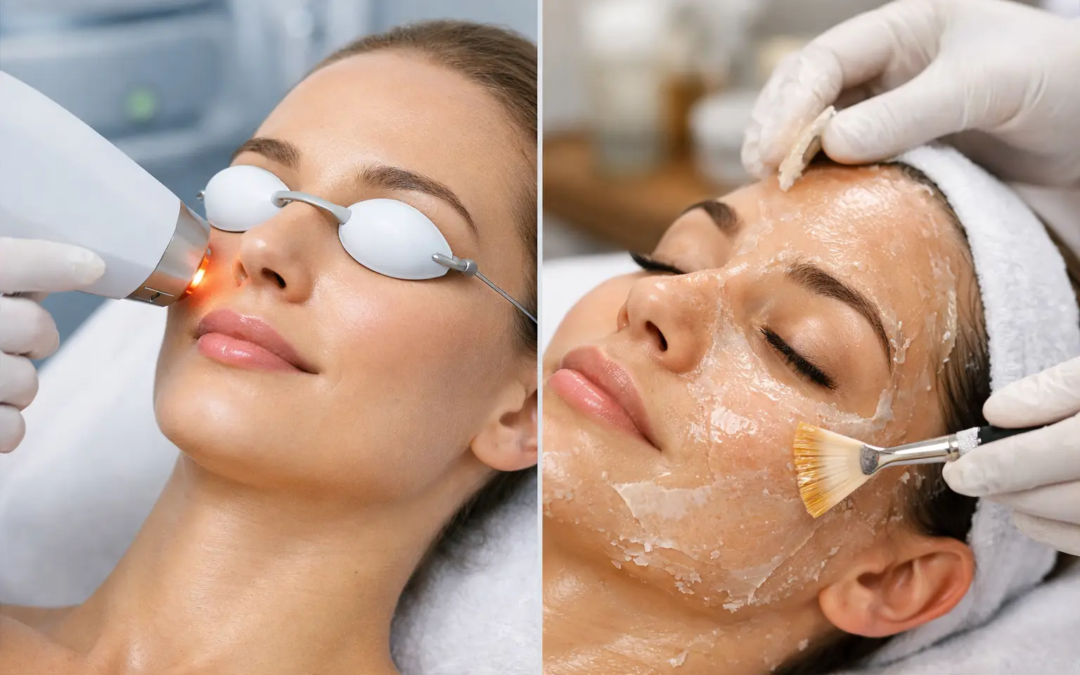
BBL, or BroadBand Light, is an advanced light-based treatment that targets color concerns beneath and within the skin. Although it is often called a BBL laser, it technically uses intense pulsed light rather than a traditional laser beam. A provider selects specific wavelengths of light that are absorbed by pigment or blood vessels, helping reduce the appearance of sun spots, redness, broken capillaries, and uneven tone.
A chemical peel uses a customized solution to exfoliate the skin at a controlled depth. Depending on the formulation and strength, a peel can loosen dull surface cells, stimulate cell turnover, improve congestion, soften fine lines, and support a smoother texture. Some peels create visible flaking, while lighter options may leave skin looking refreshed with little to no peeling.
Put simply, BBL is often chosen for visible pigment and redness, while chemical peels are especially valuable for texture, acne-related concerns, and surface dullness. There is meaningful overlap, which is why a thoughtful consultation matters more than choosing from a menu based on one symptom alone.
When BBL May Be the Better Choice
BBL is a strong option when discoloration is your leading concern. Sun spots on the cheeks, chest, shoulders, and hands often respond beautifully to a series of properly planned treatments. It can also help improve diffuse facial redness and the appearance of small visible vessels, concerns that a peel may not address as directly.
The treatment is typically well suited for clients who want noticeable brightening without significant social downtime. Skin can look mildly pink or feel warm after a session, similar to a light sunburn. Pigmented spots may temporarily darken before they lift or fade, which is a normal part of the process. Most clients can return to regular activities quickly, provided they are diligent about sunscreen and heat avoidance as directed.
BBL can also be an appealing choice for ongoing skin maintenance. A series may be recommended initially, followed by periodic treatments to help manage new signs of sun exposure and maintain an even, luminous complexion. Results are often gradual and polished rather than abrupt, which suits clients who want to look rested and refreshed without appearing overtreated.
That said, BBL is not appropriate for every skin tone or pigment condition. Clients with deeper skin tones, an active tan, recent sun exposure, or a history of melasma need careful assessment. Heat-based treatments can sometimes worsen certain forms of pigmentation, particularly when skin is not properly prepared or the treatment settings are not individualized.
When a Chemical Peel May Be the Better Choice
A chemical peel is often the more targeted answer when skin feels rough, congested, breakout-prone, or lackluster. By encouraging controlled exfoliation and renewal, peels can improve the look of uneven texture, superficial acne scarring, post-breakout marks, fine lines, and enlarged-looking pores.
For acne-prone skin, the right peel can help clear dead skin cell buildup and excess oil that contribute to clogged pores. For mature or sun-stressed skin, a peel may create a smoother canvas and restore a healthier glow. Medical-grade options can be adjusted to your skin’s tolerance, treatment goals, and expected downtime, from a light refresh to a more corrective approach.
Recovery depends entirely on the peel selected. A lighter peel may cause tightness, dryness, or subtle flaking for a few days. A stronger peel can lead to more visible shedding and requires a more deliberate recovery plan. Picking at peeling skin, using active ingredients too soon, or skipping sunscreen can interfere with healing and compromise your results.
Chemical peels can be suitable for a broad range of skin types, but they are not automatically risk-free. Overly aggressive exfoliation can irritate the skin barrier, trigger inflammation, or contribute to post-inflammatory hyperpigmentation. The best peel is not necessarily the strongest one. It is the one selected and timed appropriately for your skin.
Comparing Results, Comfort, and Downtime
Both treatments can make skin look brighter and more refined, but their results tend to show up differently. BBL is particularly effective when the eye is drawn to color – brown spots, blotchiness, redness, and visible sun damage. A chemical peel is often more impactful when the issue is feel – roughness, congestion, dullness, and uneven texture.
Comfort is also different. During BBL, clients may feel quick flashes of warmth or a light snapping sensation. During a peel, there may be tingling, warmth, or temporary stinging while the solution is applied. Both are generally well tolerated when performed with appropriate protocols and professional guidance.
Downtime is not always a deciding factor, but it should be discussed honestly. BBL commonly involves minimal recovery, though pigment can look darker before it improves. Peels range from nearly no downtime to several days of visible flaking. If you have an event, travel, beach plans, or a major work presentation ahead, your treatment schedule should reflect that.
Can You Combine BBL and Chemical Peels?
In many cases, yes. BBL and chemical peels can complement one another when they are scheduled strategically rather than stacked carelessly. For example, BBL may be used to address visible pigment and redness, while a series of customized peels supports texture, clarity, and ongoing skin renewal.
Combination planning should never be treated as a shortcut to faster results. Skin needs time to respond and recover. Your provider may alternate treatments over several weeks or recommend a seasonal approach based on sun exposure, current sensitivity, acne activity, and your home skincare routine.
At Medical Advanced Skin Care, treatment planning is built around what your skin needs now and what will support healthier-looking skin over time. Sometimes that means choosing one focused service. Sometimes it means creating a measured plan that combines advanced technology with corrective skincare and maintenance appointments.
What to Consider Before Choosing
The right choice begins with a clear view of the concern you want to change. If brown spots, redness, and sun-related discoloration are most noticeable, BBL may offer the more direct path. If clogged pores, rough texture, acne, or dullness are front and center, a peel may be the better starting point.
Your skin history matters just as much. Tell your provider about melasma, cold sores, active acne, eczema, previous reactions, recent tanning, prescription skincare, and any use of retinoids or exfoliating acids. These details help determine whether treatment should be adjusted, delayed, or paired with a skin-preparation plan.
Finally, consider what consistency looks like for you. One appointment can create a visible improvement, but skin rejuvenation is usually most rewarding when it is approached as ongoing care. Daily sunscreen, medical-grade skincare, thoughtful treatment timing, and realistic expectations protect the investment you make in your complexion.
The best next step is not choosing between trends. It is choosing a provider who can read your skin carefully, explain the trade-offs clearly, and create a plan that leaves you looking brighter, smoother, and confidently like yourself.