
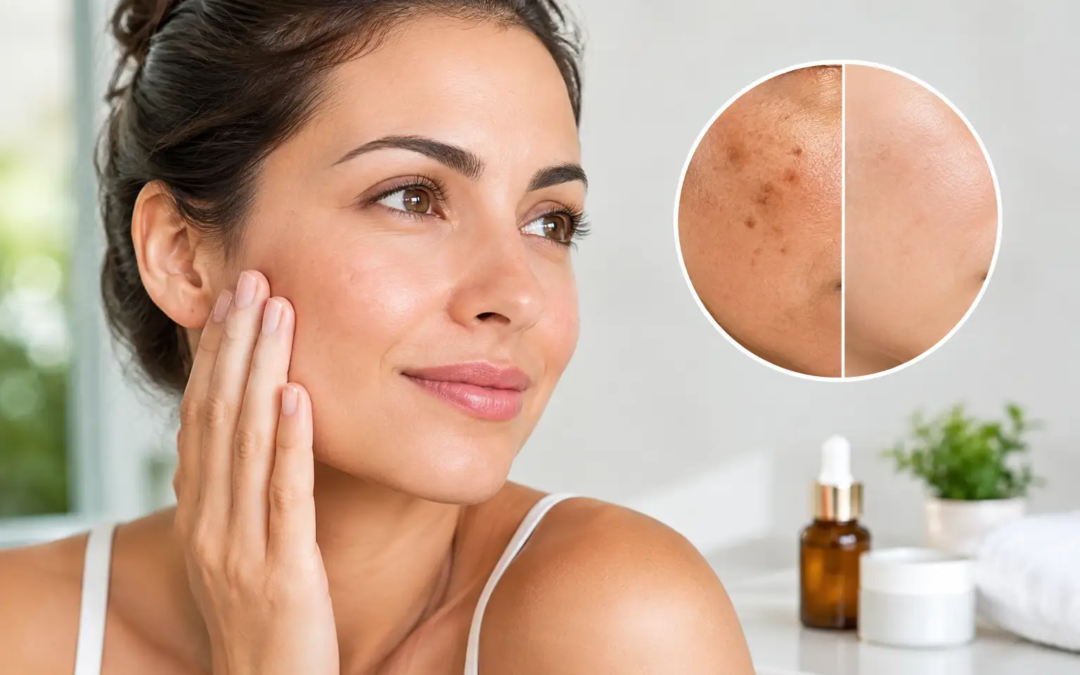
Those flat brown spots that seem to appear after a summer outdoors are often not a sign that your skin suddenly changed overnight. Sunspots develop gradually from cumulative ultraviolet exposure, then become more visible as pigment collects unevenly in the skin. The best sunspot removal methods are rarely about one miracle product. They combine the right in-office treatment, thoughtful home care, and consistent sun protection to help skin look clearer, more even, and beautifully refreshed.
Sunspots are common in South Florida, where strong sunlight is part of daily life. They can show up on the face, chest, shoulders, arms, and hands, often alongside redness, rough texture, or a duller overall tone. While many spots are harmless, any new, changing, raised, irregular, itchy, or bleeding lesion should be evaluated by a medical professional before cosmetic treatment.
What Are Sunspots, Exactly?
Sunspots, also called solar lentigines or age spots, are areas of excess pigment caused primarily by repeated UV exposure. They are different from melasma, which tends to appear as larger, patchy areas of discoloration and may be influenced by hormones, heat, visible light, and genetics. Post-inflammatory hyperpigmentation, the marks left behind after acne or irritation, also requires a different approach.
That distinction matters. A treatment that works beautifully for isolated sunspots may not be the best choice for active melasma or sensitive, inflammation-prone skin. A personalized skin assessment helps identify what is creating the discoloration, how deeply the pigment sits, and which treatment plan offers the safest path to visible improvement.
Best Sunspot Removal Methods in a Clinical Setting
Professional treatments can target established pigment more effectively than skincare alone. The ideal option depends on your skin tone, the type and depth of discoloration, your sensitivity level, your lifestyle, and how much downtime you are comfortable with.
BroadBand Light (BBL™) for Visible Brown Spots
BroadBand Light, often called BBL™, is a light-based treatment that can be an excellent option for scattered sunspots, uneven tone, and sun-related redness. It delivers targeted pulses of light that are absorbed by pigment in the skin. In the days following treatment, treated spots may temporarily darken before they gradually flake away or fade.
BBL is especially appealing for clients who want to improve more than one concern at once. Along with brown spots, it may help create a more even-looking complexion and address diffuse redness associated with sun exposure. Treatment is typically quick, and most clients return to normal activities right away, although temporary warmth, pinkness, or darkening of spots is expected.
Results build with a customized series and maintenance plan. The trade-off is that light-based treatments require disciplined sun avoidance before and after appointments, and they are not appropriate for every pigment concern or every skin type without careful evaluation.
Chemical Peels for Pigment and Texture
A professionally selected chemical peel can help brighten surface discoloration while improving rough texture, clogged pores, and dullness. Peels work by encouraging controlled exfoliation and skin renewal. Depending on the formula and strength, a peel may create little to no visible peeling or several days of flaking.
For sun-damaged skin, chemical peels are often a smart choice when brown spots are accompanied by uneven texture or a lack of radiance. They can also complement light-based treatments by keeping the complexion clearer between appointments. Stronger is not always better, however. Overly aggressive exfoliation can irritate the skin and worsen discoloration, particularly in deeper skin tones or clients prone to post-inflammatory hyperpigmentation.
A medical-grade peel should be selected for your skin’s current condition, not simply for the fastest possible peel. This is where experienced guidance protects both your comfort and your results.
Microneedling for Overall Skin Renewal
Microneedling, including SkinPen® microneedling, is best known for supporting collagen production and improving the appearance of fine lines, acne scars, and texture. It can also support a more refined, even-looking complexion when pigment is part of broader sun damage.
Microneedling is not usually the first standalone choice for a few distinct dark spots. It is more valuable when the goal includes smoother texture, healthier-looking skin, and long-term rejuvenation. Because the treatment creates tiny controlled channels in the skin, proper technique and aftercare are essential. Skin must be protected carefully from heat and UV exposure during recovery.
Carbon Peel Laser Facials for a Clearer-Looking Complexion
A carbon peel laser facial may be a helpful option for clients whose discoloration is paired with congestion, oiliness, or a lackluster surface texture. The treatment uses a carbon-based solution and laser energy to exfoliate and refresh the skin. It can leave the complexion looking smoother and brighter with minimal downtime.
It is generally better viewed as part of a skin-maintenance strategy than a replacement for more targeted pigment treatments. For deeper or well-established sunspots, BBL or a tailored peel may provide a more direct approach.
The At-Home Habits That Protect Your Results
No professional treatment can outpace repeated, unprotected sun exposure. Once pigment has faded, UV exposure can stimulate new discoloration and bring existing spots back into view. Daily prevention is what helps your investment last.
Use a broad-spectrum sunscreen with SPF 30 or higher every morning, including on cloudy days and when driving. Apply enough to cover the face, ears, neck, and chest, then reapply when you are outdoors, sweating, or near water. Wide-brimmed hats, sunglasses, and shade add meaningful protection, particularly during South Florida’s brightest hours.
Your home routine may also include pigment-supporting ingredients such as vitamin C, retinoids, niacinamide, azelaic acid, tranexamic acid, or prescription options when appropriate. These are not interchangeable, and piling on too many active products can compromise the skin barrier. Irritated skin is more likely to develop uneven pigment, which defeats the purpose of a brightening routine.
A simple, well-tolerated plan used consistently is more valuable than an overcrowded shelf of products used inconsistently.
Why DIY Sunspot Removal Can Backfire
At-home acids, scrubs, and spot correctors can have a place in maintenance care, but they cannot diagnose a lesion or safely replace professional treatment. Trying to burn off a dark spot with harsh acids, lemon juice, or unregulated devices can cause burns, scarring, prolonged redness, and darker pigmentation.
Even products marketed as “dark spot removers” require patience. Most topical brighteners work gradually over weeks to months, and their results depend heavily on sunscreen use. If a spot is changing, looks unlike your other spots, or does not behave as expected, do not attempt to treat it cosmetically first.
How to Choose the Right Plan for Your Skin
The best treatment plan begins with an honest conversation about your skin, your history of pigmentation, and what you want to see in the mirror. A client with a few crisp brown spots on the cheeks may be an excellent BBL candidate. Someone with uneven tone, texture concerns, and sensitive skin may benefit from a measured series of peels and supportive skincare. Another person may need to calm inflammation and stabilize melasma before pursuing more intensive procedures.
Timing matters, too. If you have a beach vacation, outdoor event, or a schedule that makes strict sun protection unrealistic, it may be wiser to postpone pigment treatment rather than risk a setback. Clinical beauty is most effective when treatment and lifestyle work together.
At Medical Advanced Skin Care, treatment recommendations are designed around your skin’s needs, not a one-size-fits-all menu. A professional consultation can clarify which options are appropriate, what recovery to expect, and how to maintain a brighter, more even-looking complexion with confidence.
Sunspots may be a visible record of time in the sun, but they do not have to define your skin. With the right care and a commitment to protection, clearer-looking skin can become part of your long-term routine, not a short-lived result.