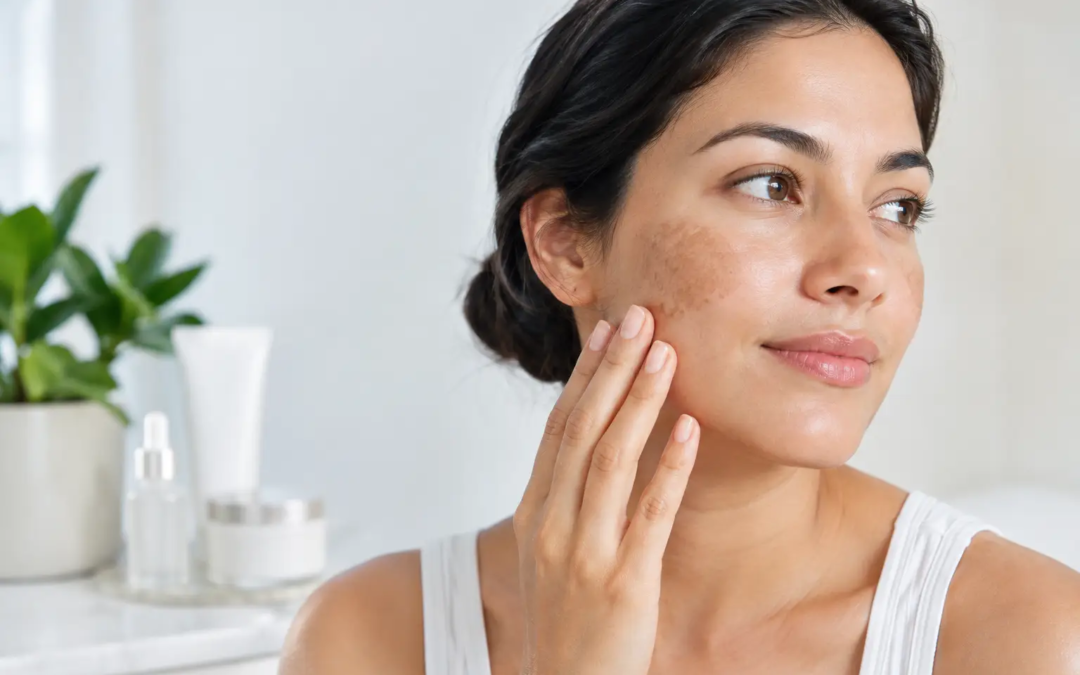
Melasma rarely responds well to a single quick fix. These brown or gray-brown patches, often appearing across the cheeks, forehead, upper lip, and jawline, can be influenced by sun exposure, heat, hormones, genetics, and even irritation from the wrong products. Effective melasma treatment approaches focus on calming the triggers, gradually fading visible pigment, and protecting results with a plan that respects your individual skin.
For South Florida clients, that last point matters. Bright sun, humidity, and heat are part of daily life here, so maintaining clearer-looking skin requires more than an occasional corrective treatment. It requires thoughtful, consistent care.
Why Melasma Needs a Personalized Plan
Melasma is not simply surface discoloration. Pigment may sit closer to the surface of the skin, deeper within it, or at both levels. The color, depth, distribution, skin tone, sensitivity, pregnancy status, and history of prior treatments all influence which options make sense.
That is why aggressive treatment is not automatically better treatment. Over-exfoliation, excessive heat, or an energy setting that is not appropriate for your skin can create inflammation. Inflammation may lead to post-inflammatory hyperpigmentation, making discoloration look more noticeable rather than less.
A professional consultation should begin with a close look at the skin and an honest conversation about triggers, current skincare, medications, hormones, sun habits, and timeline. Melasma is often manageable, but it tends to be chronic. The goal is not to promise permanent erasure. It is to create a strategic path toward a more even, luminous complexion and help protect that progress over time.
The Foundation of Every Melasma Treatment Approach
Daily ultraviolet and visible-light protection
Sun protection is the non-negotiable starting point for melasma. A broad-spectrum sunscreen with SPF 30 or higher should be applied every morning and reapplied when spending time outdoors, driving, exercising, or sitting near strong windows. For many people with melasma, a tinted mineral sunscreen containing iron oxides is especially valuable because it can help defend against visible light as well as UV exposure.
A wide-brimmed hat, sunglasses, shade, and practical changes to outdoor routines add another layer of protection. In South Florida, even brief, unplanned exposure can matter. A client who invests in professional treatments but skips consistent sunscreen may find that pigment returns sooner than expected.
Heat can also worsen melasma for some people. You do not need to avoid every warm day or workout, but it is wise to notice patterns. If your skin darkens after time in intense heat, scale back where possible, cool the skin gently afterward, and discuss this trigger during your consultation.
Medical-grade skincare at home
The right home routine supports professional treatment between appointments. Depending on your skin, a provider may recommend pigment-calming ingredients such as vitamin C, azelaic acid, tranexamic acid, kojic acid, niacinamide, retinoids, or carefully supervised hydroquinone.
These ingredients are not interchangeable, and more is not always more. Retinoids can improve cell turnover, for example, but they can be too irritating when introduced too quickly. Hydroquinone may be appropriate for some patients in structured treatment cycles, while others benefit from non-hydroquinone alternatives or cannot use certain ingredients due to pregnancy, breastfeeding, sensitivity, or medical considerations.
The most effective routine is often a simple one you can follow consistently: gentle cleanse, targeted pigment support, moisturizer to protect the skin barrier, and daily sunscreen. A compromised barrier can make discoloration harder to control, so comfort is part of the treatment plan, not an afterthought.
Professional Melasma Treatment Approaches
Chemical peels for controlled renewal
Professional chemical peels can help improve dullness, uneven tone, and surface pigment when chosen carefully. Superficial peels are often preferred for melasma because they encourage renewal without creating unnecessary trauma. The formula, strength, preparation, and timing should all be tailored to your skin’s sensitivity and pigment risk.
A series of gentle, professionally selected peels may create more dependable improvement than one intense peel. Peels also work best when paired with diligent home care and sun protection. They are not a substitute for either one.
For deeper skin tones or clients with a history of hyperpigmentation, careful selection is especially important. The wrong peel, or peeling too frequently, can leave skin inflamed and prolong the pigment cycle. Clinical expertise matters as much as the peel itself.
Microneedling when texture is part of the concern
Melasma sometimes appears alongside acne scarring, enlarged pores, or uneven texture. In selected cases, SkinPen microneedling may be incorporated into a broader skin-rejuvenation plan to support smoother-looking texture and healthy collagen renewal.
However, microneedling is not a universal first-line melasma treatment. Because any procedure creates a controlled skin response, it must be performed conservatively and only when the skin is stable. Clients prone to post-inflammatory hyperpigmentation need a provider who understands when to proceed, when to pause, and how to prepare the skin beforehand.
Light- and laser-based treatments require precision
Light-based services, including BroadBand Light treatments, can be helpful for certain types of visible discoloration and overall photodamage. Yet melasma is more complex than many isolated sunspots. Heat and energy can stimulate pigment in some skin types, particularly if settings are too aggressive or the skin is not properly prepared.
This does not mean energy-based treatments are always off the table. It means they should be approached with discernment. A provider may recommend a cautious protocol, postpone treatment until pigment is more stable, or prioritize skincare and peels first. The safest choice depends on your skin tone, melasma pattern, sensitivity, and previous response to treatments.
Prescription support when appropriate
Some clients benefit from prescription-strength topical medications or oral options prescribed and monitored by a qualified medical professional. These treatments may be useful when topical skincare and in-clinic services alone are not producing enough improvement.
Prescription options are never one-size-fits-all. A medical provider will consider health history, potential side effects, pregnancy plans, medications, and whether the treatment is appropriate for long-term use. Be cautious with unverified online products or overly aggressive pigment-lightening formulas. Skin health should never be traded for a faster-looking result.
What a Realistic Timeline Looks Like
Melasma improvement is gradual. With consistent protection and a tailored regimen, some clients begin seeing a brighter, more even appearance within several weeks. More established pigment can require several months of steady treatment and maintenance.
Progress is not always perfectly linear. A beach weekend, a hormonal shift, a new irritating product, or a lapse in sunscreen can trigger a setback. That does not mean the plan has failed. It means the skin needs an adjustment and renewed consistency.
Before-and-after photos taken in similar lighting can be helpful for tracking subtle changes that are hard to notice day to day. A trusted provider should be direct about what is realistic, celebrate meaningful improvement, and recommend changes only when they serve your skin’s long-term health.
Avoiding the Common Melasma Mistakes
At-home exfoliating acids, scrubs, and brightening products can be useful in the right formulation, but stacking too many active ingredients is a common problem. Burning, stinging, persistent redness, and peeling are signals to stop and reassess, not signs that a product is working harder.
Another mistake is treating melasma only when it looks darker. Maintenance matters even after pigment has faded. Continue your prescribed or recommended routine, use sunscreen every day, and schedule periodic professional care based on how your skin behaves through the seasons.
Finally, avoid comparing your treatment journey to someone else’s. Two people can have melasma in the same area and require very different plans. Skin tone, pigment depth, hormone influences, lifestyle, and sensitivity all change the equation.
At Medical Advanced Skin Care, the most meaningful results begin with a plan that feels both clinically sound and comfortable to maintain. When melasma care is personalized, patient, and protective of the skin barrier, clearer-looking skin becomes a realistic goal worth caring for over time.