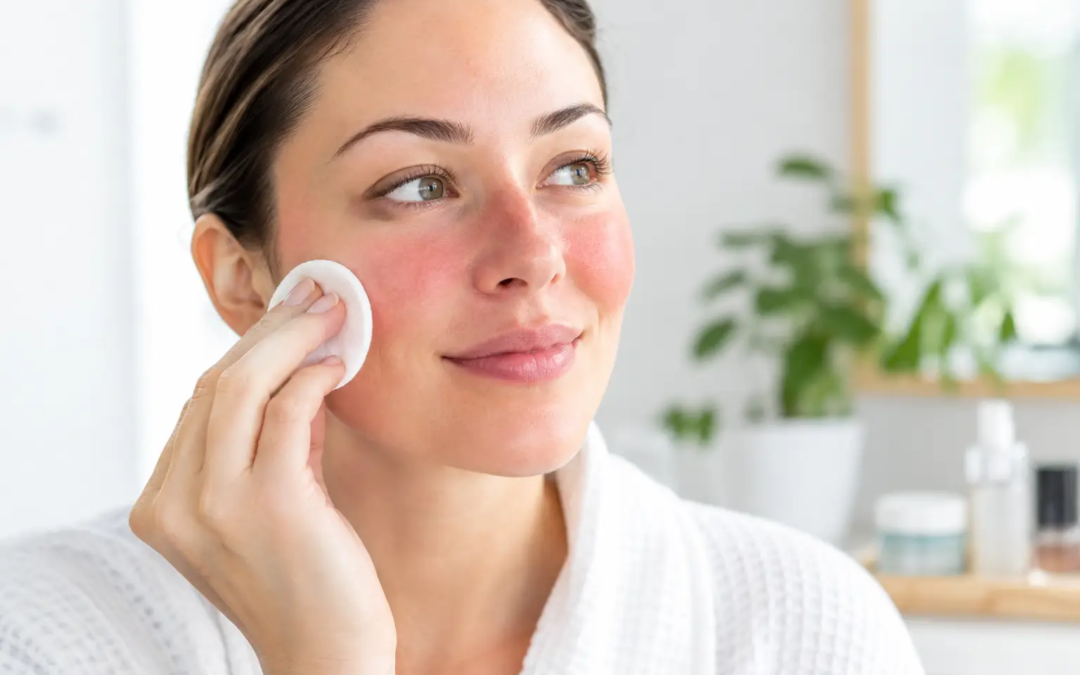
A flushed face after a South Florida afternoon may fade quickly. Redness that lingers across the cheeks, nose, chin, or forehead is different. The most effective facial redness treatment steps begin by identifying what is provoking the skin, then choosing calming care and professional treatments that respect its sensitivity rather than overwhelming it.
Redness is not one single concern. It can come from rosacea, sun exposure, acne inflammation, a weakened skin barrier, allergy or irritation, visible blood vessels, or a reaction to products that are simply too strong for your skin. That is why a personalized plan is more valuable than chasing the latest “redness relief” product.
Facial Redness Treatment Steps Begin With the Cause
Before treating redness, look at its pattern. Does it flare after heat, exercise, wine, spicy foods, stress, or sun exposure? Does it sting when you apply skincare? Is it concentrated around the nose and cheeks, or does it appear alongside breakouts, itching, scaling, or swelling?
These details help distinguish temporary irritation from a concern that needs medical evaluation. Persistent flushing with visible tiny vessels may point to rosacea. Redness paired with dry, burning skin can signal barrier damage. Acne-related redness may improve only when active breakouts are addressed as well.
A professional skin consultation creates a clearer starting point. At Medical Advanced Skin Care, treatment planning considers your skin’s current condition, history, lifestyle, and goals, not just what looks red on the surface that day. If symptoms are severe, sudden, painful, or involve swelling around the eyes, seek prompt evaluation from a medical provider or dermatologist before pursuing aesthetic treatment.
Step 1: Pause What Is Aggravating Your Skin
When redness is active, more is rarely better. Put potentially irritating products on hold for a short period, especially physical scrubs, at-home peels, strong retinoids, high-strength acids, fragranced products, and harsh cleansing brushes. Even products that once worked well can become too much when the skin barrier is compromised.
Use lukewarm water instead of hot water, and pat the skin dry rather than rubbing it with a towel. Avoid picking at blemishes or trying to “scrub away” texture. Friction and inflammation can make redness look more pronounced and last longer.
This does not mean you must abandon every active ingredient forever. It means your skin may need a reset before those ingredients are reintroduced thoughtfully. The right approach depends on whether your redness is linked to acne, photoaging, rosacea tendencies, or simple over-exfoliation.
Step 2: Rebuild a Calm, Supportive Daily Routine
A simple routine gives reactive skin room to recover. Start with a gentle cleanser that leaves your face comfortable, not tight. Follow with a fragrance-free moisturizer selected for your skin type, ideally one that supports the barrier with ingredients such as ceramides, glycerin, or hyaluronic acid.
Daily sunscreen is non-negotiable. UV exposure can worsen visible redness, inflammation, pigmentation, and the appearance of broken capillaries. Choose a broad-spectrum SPF 30 or higher that feels comfortable enough to wear consistently. For some people with redness-prone skin, mineral formulas with zinc oxide or titanium dioxide are especially well tolerated, although the best option is the one your skin can comfortably use every day.
Keep the routine steady for several weeks rather than changing products every few days. Skin responds to consistency. If you want to add a serum or active treatment, add one product at a time so it is easier to recognize what helps and what triggers a flare.
Step 3: Notice and Reduce Personal Triggers
Triggers are highly individual, but they matter because repeated flushing can keep the skin in an inflammatory cycle. A short notes app log can be surprisingly useful. Record when redness appears, what you ate or drank, your sun and heat exposure, exercise, stress level, and new skincare products.
Common triggers include intense sun, hot showers, steam rooms, alcohol, spicy meals, abrupt temperature changes, strenuous workouts, and emotional stress. You do not have to avoid every trigger forever. The goal is to understand your threshold and make practical choices, such as cooling down after a workout, wearing a hat outdoors, or choosing a gentler facial treatment before an important event.
South Florida heat and humidity can complicate this picture. Heavy creams may feel uncomfortable, while skipping moisturizer altogether can leave the barrier vulnerable. A professional recommendation can help you find a formula that provides support without feeling greasy or congested.
Step 4: Treat Sun Damage and Visible Vessels Strategically
At-home skincare can calm mild inflammation, but it cannot always address persistent vascular redness or visible capillaries. When redness is driven by sun damage and superficial vessels, light-based treatments may be considered after a careful skin assessment.
BroadBand Light, often called BBL, can be an excellent option for appropriate candidates seeking a clearer, more even-looking complexion. It uses targeted light energy to address visible redness and certain signs of sun damage. Treatment is not one-size-fits-all: settings, timing, and the number of sessions should be tailored to your skin tone, sensitivity, degree of redness, and recent sun exposure.
For some clients, a series of treatments offers the best visible improvement. For others, maintenance sessions and consistent sun protection help preserve results. BBL is not the right starting point during an active rosacea flare, after recent tanning, or when the skin is irritated and compromised. Safety and timing matter as much as the technology itself.
Step 5: Be Selective With Exfoliation and Resurfacing
Chemical peels, dermaplaning, microneedling, and laser-based facial services can improve texture, uneven tone, acne marks, and overall radiance. However, they should never be selected simply because redness is present. The wrong intensity, or a treatment performed while the skin is inflamed, can make sensitivity worse.
Gentle, professionally selected exfoliation may be useful once the skin is stable, particularly if dullness, congestion, or rough texture are contributing to an uneven appearance. A deeper peel or more intensive resurfacing approach may be better reserved for a later stage, when a provider has confirmed that it fits your skin’s needs.
The trade-off is straightforward: aggressive treatments may promise faster change, but sensitive or redness-prone skin often achieves better long-term results with a measured plan. Healthy skin is not built by pushing through burning, peeling, or prolonged irritation.
Step 6: Plan for Treatment Day and Recovery
If you are scheduling a professional redness-focused treatment, avoid excess sun exposure and tanning beforehand. Arrive with your provider aware of any medications, recent procedures, skincare products, history of cold sores, and changes in your health. These details can affect whether a treatment should proceed and how it should be customized.
After treatment, follow your specific post-care instructions closely. In many cases, that means gentle cleansing, a soothing moisturizer, diligent sunscreen use, and avoiding heat, vigorous exercise, exfoliants, and active ingredients for the recommended recovery window. Mild temporary pinkness can be expected after certain services, but increasing pain, blistering, significant swelling, or unusual discomfort deserves prompt professional attention.
Step 7: Choose Maintenance Over Quick Fixes
Facial redness often improves through ongoing skin support, not a single appointment or product. Once the skin looks calmer, maintain the habits that got you there: daily SPF, gentle home care, trigger awareness, and follow-up treatments when clinically appropriate.
If redness returns, do not assume you need stronger products. Revisit what changed. A new cleanser, a week at the beach, a stressful season, a resurfacing service, or even overuse of an acne treatment can shift your skin’s tolerance. Adjusting early is gentler and often more effective than waiting for a full flare.
Clearer-looking skin begins with listening to what your skin is communicating. With thoughtful care, appropriate technology, and a treatment plan designed around your tolerance, you can move away from constant camouflage and toward a complexion that feels calmer, healthier, and more confidently your own.