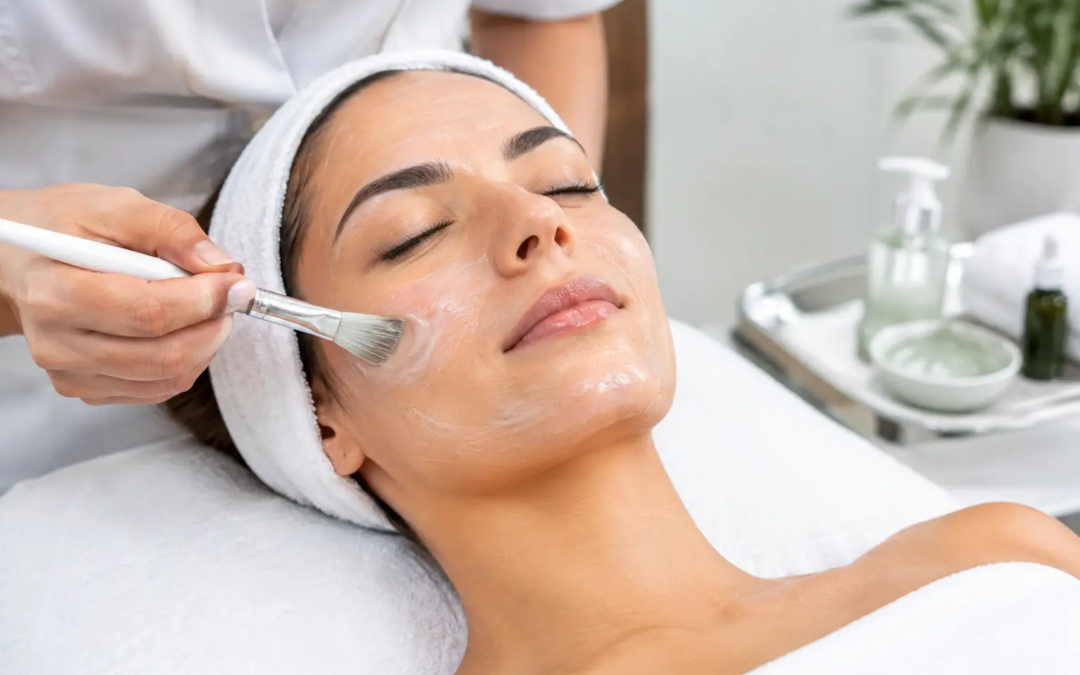
Excess shine by noon, congested pores around the nose and chin, and breakouts that return just when your skin seems settled can make skincare feel like a constant negotiation. The best facials for oily skin do more than leave the surface feeling temporarily clean. They help manage buildup, refine the look of pores, support clearer skin, and create a treatment plan that respects your skin barrier.
Oily skin is not a sign that your skin is unclean or that it needs to be stripped. In fact, overly harsh scrubs, drying masks, and aggressive at-home acids can trigger irritation, dehydration, and even more visible oil production. The right professional facial should bring skin back into balance with thoughtful exfoliation, hydration, and targeted ingredients.
Why Oily Skin Needs a Personalized Approach
Sebum is essential to healthy skin. It helps maintain softness and supports the skin’s protective barrier. Trouble begins when oil combines with dead skin cells, sunscreen, makeup, and environmental debris inside the pore. That mixture can lead to blackheads, whiteheads, uneven texture, and inflammatory breakouts.
A professional treatment can address those concerns, but not every oily complexion needs the same protocol. Someone with persistent acne and congestion may benefit from a different approach than someone whose primary concern is shine, enlarged-looking pores, or early signs of sun damage. Skin can also be oily while being sensitive, dehydrated, or reactive.
That is why a consultation matters. A skilled provider looks beyond the label of “oily skin” to consider breakouts, sensitivity, pigmentation, active ingredients in your home routine, and how much downtime fits your schedule. Clinical beauty should feel personal, comfortable, and purposeful.
Best Facials for Oily Skin and Congested Pores
HydraFacial for deep yet comfortable cleansing
A HydraFacial® is often an excellent starting point for oily or congested skin because it combines cleansing, exfoliation, extraction, and hydration in one customized treatment. The process helps lift surface buildup and clear congested pores without the rough friction associated with many traditional exfoliation methods.
The hydration step is especially valuable. Oily skin still needs water and barrier support. When skin is properly hydrated, it may feel more balanced and look smoother rather than tight, stripped, or overly glossy. HydraFacial treatments can be adjusted with targeted boosters based on concerns such as congestion, uneven tone, visible texture, or dullness.
This option is often ideal before an event because there is typically little to no downtime. For ongoing maintenance, the right cadence depends on your skin’s condition and goals, but regular treatments can help keep pore-clogging buildup from becoming overwhelming.
Chemical peels for recurring breakouts and texture
Chemical peels use carefully selected acids to encourage the shedding of dull, compacted surface cells. For oily skin, the right peel can improve the appearance of clogged pores, post-breakout marks, uneven texture, and excess shine. This is a treatment category where customization makes a meaningful difference.
Salicylic acid is frequently used for oily and acne-prone skin because it is oil-soluble and can work within the pore lining. Other peel blends may be chosen when discoloration, sun exposure, or texture are also concerns. A provider may recommend a lighter, no-downtime peel for gradual refinement or a stronger protocol when appropriate for your skin and recovery expectations.
The trade-off is that peels require discipline after treatment. You may experience mild dryness, flaking, or sensitivity, and diligent sunscreen use is essential. If you are using prescription acne treatments, retinoids, or have irritated skin, your provider should adjust the timing or choose another service.
Carbon peel laser facials for oil, pores, and polish
A carbon peel laser facial can be a compelling choice for clients who want a more technology-driven approach to oily skin and visible congestion. A thin carbon-based layer is applied to the skin, where it helps attract oil and surface debris. Laser energy then targets the carbon, helping exfoliate the skin and refine its overall appearance.
Many clients appreciate the fresh, polished look that can follow a carbon peel laser facial. It may be particularly helpful when oily skin is accompanied by rough texture, blackheads, or pores that appear more noticeable in humid South Florida weather. Results and suitability depend on skin tone, sensitivity, active acne, and the specific laser settings used, so this treatment should always begin with an informed assessment.
Oxygen facials when oily skin feels stressed
Oily skin can still look dull, dehydrated, and fatigued, particularly after travel, sun exposure, or an overactive acne routine. An oxygen facial offers a gentler, replenishing option that can leave skin looking refreshed without aggressive exfoliation.
This is not typically the first choice for deeply congested pores or persistent acne. It can, however, be a smart addition between more corrective services or before a special occasion when your skin needs calming hydration and a healthy-looking glow. Think of it as support for skin that needs to reset, not a substitute for targeted treatment when breakouts are active.
Microdermabrasion for surface roughness
Microdermabrasion focuses on mechanical exfoliation to smooth away superficial dead skin cells. For some oily skin types, it can improve dullness and help makeup apply more evenly. It may also complement a broader treatment plan designed around texture and maintenance.
However, more exfoliation is not always better. If your skin is inflamed, actively breaking out, highly sensitive, or already using exfoliating acids at home, microdermabrasion may not be the best fit that day. An ethical recommendation considers what your skin needs now, not simply the most intensive service available.
How to Choose the Right Facial for Your Skin
The best choice often comes down to your primary concern. If congestion and blackheads are the issue, a HydraFacial or appropriately selected chemical peel may be a strong match. If oiliness is paired with rough texture and a desire for a more refined look, a carbon peel laser facial may deserve consideration. If your skin is irritated or depleted from too many actives, a gentler, hydrating service may be the wiser first step.
Your treatment plan should also account for these practical factors:
- Whether you have active, inflamed acne or mostly clogged pores and blackheads
- The products and prescriptions currently in your home routine
- Your history of hyperpigmentation, sensitivity, or post-treatment irritation
- The amount of recovery time you can comfortably allow before work, travel, or an event
A facial should never leave oily skin feeling raw, painfully tight, or visibly inflamed for days. Some redness or light flaking can be normal after certain treatments, but your provider should set clear expectations and explain how to care for your skin afterward.
What to Do Between Professional Treatments
Professional care works best when your home routine is consistent and uncomplicated. Use a gentle cleanser that removes sunscreen and daily buildup without creating a squeaky-clean feeling. Follow with lightweight, noncomedogenic hydration, and wear broad-spectrum sunscreen every morning. Yes, even oily skin needs sunscreen, especially when you are receiving exfoliating or laser-based treatments.
If breakouts are a concern, avoid adding several active products at once. A cleanser with salicylic acid, a treatment serum, retinoids, and frequent exfoliating pads can easily become too much. Introduce one targeted product at a time and give your skin an opportunity to respond. Picking, harsh cleansing brushes, and heavy occlusive makeup can also make congestion more difficult to manage.
Consistency is more valuable than chasing a dramatic overnight fix. The aim is skin that behaves more predictably: less congested, more comfortable, and visibly clearer over time.
When a Facial Is Not Enough
Facials can be a meaningful part of oily skin and acne care, but severe cystic acne, painful lesions, scarring, or sudden changes in your skin may require evaluation by a dermatologist. Professional aesthetics and medical dermatology can work well alongside each other, especially when your goal is both acne management and healthier-looking texture.
For clients seeking individualized care in Lighthouse Point, Medical Advanced Skin Care can help identify a treatment path that feels elevated, realistic, and right for your complexion. The most rewarding facial is not the trendiest one – it is the one that leaves your skin more balanced and gives you confidence in what you see in the mirror.