Rough skin rarely looks as simple as it feels. What starts as a slightly uneven forehead, a dull patch across the cheeks, or makeup that suddenly sits poorly can point to a buildup of dead skin cells, post-acne irregularities, congestion, or sun-related damage. When clients ask about microdermabrasion for rough texture, they are usually looking for more than exfoliation. They want skin that feels smoother, reflects light better, and looks healthier without choosing a harsh or invasive treatment.
Why skin texture becomes rough
Texture changes for different reasons, and that matters when choosing the right treatment. In many cases, roughness develops because dead skin cells are not shedding evenly. The result can be a dry, dull surface that feels uneven to the touch and makes pores appear more visible.
For others, rough texture is tied to a history of breakouts. Even when acne has calmed down, the skin may still show small bumps, mild scarring, or areas that never seem fully smooth. Sun exposure can also play a role, especially in South Florida, where skin is regularly exposed to heat, humidity, and UV stress. Over time, this can leave the complexion looking thicker, less radiant, and less refined.
Age is another factor. As cell turnover slows, skin does not naturally refresh itself as quickly as it once did. That can make texture concerns more noticeable, especially around the cheeks, chin, and forehead. Good skincare at home helps, but sometimes the skin needs professional support to move past that stubborn roughness.
How microdermabrasion for rough texture works
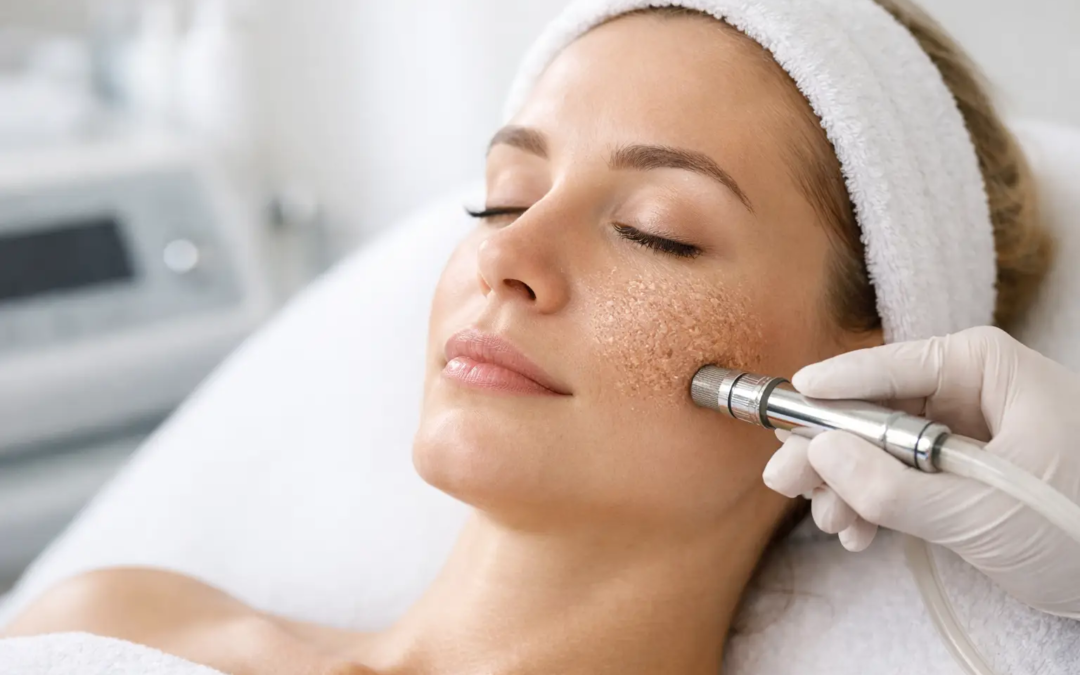
Microdermabrasion is a professional exfoliation treatment designed to remove the outermost layer of dead, dull skin in a controlled way. By gently resurfacing the skin, it helps improve texture, soften rough areas, and create a smoother overall appearance.
The treatment is popular because it is effective without feeling aggressive. There is no deep peeling and typically no extended downtime. Instead, the skin is polished in a way that encourages fresher, healthier-looking cells to come forward. For many clients, that means skin feels softer immediately and continues to look brighter in the days that follow.
This is especially appealing for people who want visible improvement but are not ready for more intensive resurfacing. Microdermabrasion can be a strong option when the goal is refinement, maintenance, and a healthy glow rather than a dramatic recovery process.
What it can improve
When rough texture is caused by surface buildup, mild congestion, or uneven turnover, microdermabrasion can make a noticeable difference. Skin often looks smoother, brighter, and more even after treatment. It may also help minimize the appearance of enlarged pores and improve how skincare products absorb.
That said, results depend on the cause of the texture issue. If the skin has deeper acne scars, active inflammation, or significant sun damage, microdermabrasion may be part of the solution rather than the entire answer. This is where a personalized consultation becomes valuable. The best treatment plan is the one that matches what your skin actually needs, not just what is trending.
Who is a good candidate?
Microdermabrasion tends to work best for clients with mild to moderate roughness, dullness, dry surface buildup, or minor unevenness. It can be an excellent maintenance treatment for skin that feels tired, looks less radiant, or has lost that smooth finish many people want.
It is also a comfortable entry point into professional skincare for clients who are new to aesthetic treatments. Because it is non-surgical and generally well tolerated, it offers a polished, refreshed result without the intensity some people associate with peels or laser procedures.
There are times when another option may be better. If your skin is very sensitive, actively breaking out, irritated, or dealing with rosacea flare-ups, your provider may recommend waiting or choosing a gentler approach. If rough texture is paired with deeper scarring or laxity, treatments such as microneedling, chemical peels, or other advanced services may deliver more meaningful correction.
What to expect during treatment
A professional microdermabrasion appointment is typically straightforward and comfortable. The skin is cleansed first, and then the treatment device is passed over the targeted areas to exfoliate and refine the surface. Most clients describe the sensation as lightly scratchy with suction, but not painful.
After treatment, the skin often looks fresher and may have a mild pinkness for a short time. That usually settles quickly. One reason clients appreciate microdermabrasion is that it fits easily into a busy schedule. You can leave the appointment looking refreshed rather than hidden away in recovery.
The immediate after-feel is one of the biggest reasons this treatment remains so popular. Skin tends to feel smoother right away, and makeup often applies more evenly afterward. There is also a clean, polished look that many clients notice before the day is over.
How many sessions do you need?
For rough texture, one session can give the skin a softer, brighter look. But if texture has been building for a while, a series usually produces better and more lasting improvement. Skin responds best to consistency.
Many clients benefit from regular treatments spaced a few weeks apart at first, followed by maintenance based on their skin type, lifestyle, and goals. Someone with dry buildup and mild dullness may need less frequent care than someone managing congestion, post-acne texture, and ongoing sun exposure.
This is where personalized planning matters. Ethical skincare is not about overselling appointments. It is about choosing the right cadence for your skin so results look natural, healthy, and sustainable.
Microdermabrasion vs. other texture treatments
Texture concerns do not all respond the same way, so comparing treatments can be helpful. Microdermabrasion is best thought of as a surface-refining treatment. It is excellent for exfoliation, radiance, and mild unevenness. It is not designed to create the same degree of collagen remodeling as microneedling, and it is generally gentler than a medium-depth chemical peel.
If your texture issue is mostly dullness, dryness, and superficial roughness, microdermabrasion may be exactly what you need. If you are dealing with acne scarring, fine lines, or more advanced textural change, your provider may suggest combining it with other services or choosing a different treatment altogether.
That is one of the advantages of receiving care in a clinical aesthetics setting. Instead of being placed into a one-size-fits-all facial, you can be guided toward the treatment that makes sense for your skin today and adjusted as your skin evolves.
Getting the best results after microdermabrasion for rough texture
Post-treatment care influences results more than many people realize. Freshly exfoliated skin is more receptive, but it is also more vulnerable if you overdo active products or skip sun protection.
For the next few days, it is usually best to keep skincare simple and supportive. Hydration matters. A gentle cleanser, nourishing moisturizer, and daily SPF help protect the renewed surface and maintain that smoother finish. Strong acids, scrubs, and retinoids may need to be paused briefly depending on your provider’s guidance.
Sun care is especially important in Florida. Even the best exfoliation results can be undermined by repeated UV exposure, which contributes to roughness, discoloration, and premature aging. If smoother texture is the goal, protecting your results has to be part of the plan.
When to choose a personalized consultation
Rough texture can seem like a simple concern, but the reason behind it changes everything. Some skin needs regular exfoliation. Some needs barrier repair. Some needs collagen stimulation. Some needs a combination.
That is why a personalized consultation is often the smartest first step. At Medical Advanced Skin Care, treatment recommendations are built around skin condition, sensitivity, history, and long-term goals, not just a menu of services. That level of care helps clients avoid wasted treatments and move toward visible results with confidence.
Microdermabrasion can be an excellent choice when your skin feels dull, uneven, or rough on the surface and you want a refined, polished result without significant downtime. The key is knowing whether it is the right treatment for your texture, not just a popular one. When that match is right, smoother skin does not have to feel complicated – it can feel like your skin, only healthier, softer, and more radiant.