Skin can look tired long before it feels unhealthy. A few late nights, too much sun, travel, stress, dehydration, or a buildup of dead skin cells can leave your complexion flat, rough, and less reflective. That is exactly why an oxygen facial for dull skin appeals to so many people. It is a treatment designed to refresh the surface, support hydration, and bring back a more vibrant, rested appearance without downtime.
For clients who want skin that looks brighter and more awake, the appeal is obvious. But like any professional treatment, results depend on your skin condition, the quality of the facial, and whether it fits into a thoughtful skincare plan instead of acting as a quick fix.
What an oxygen facial for dull skin actually does
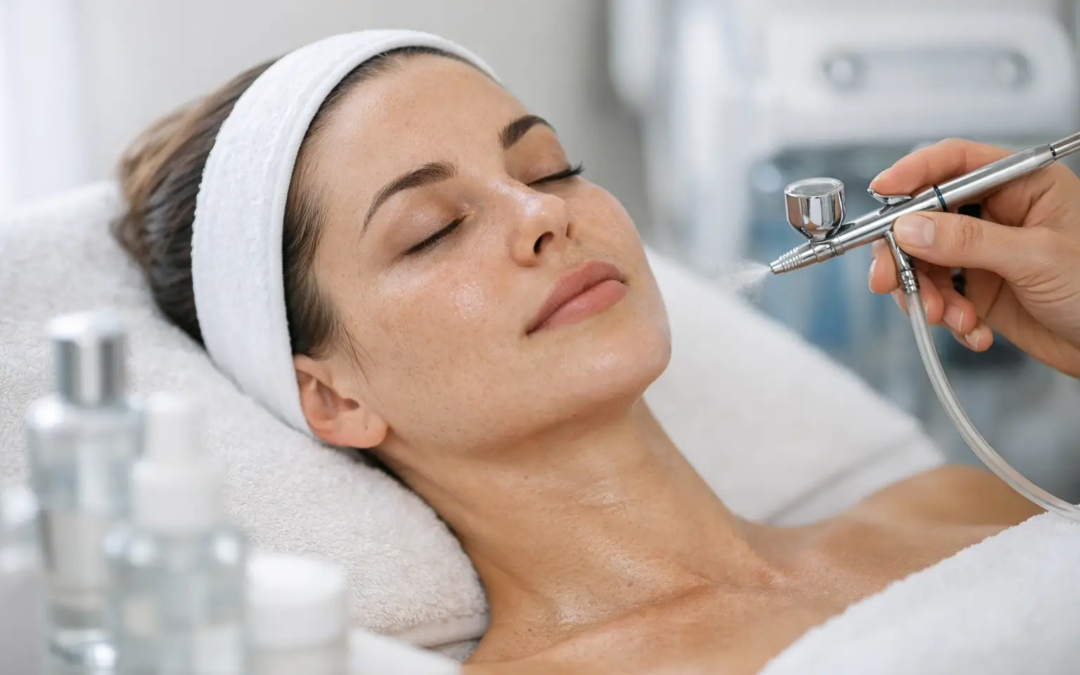
An oxygen facial is a non-invasive treatment that delivers a pressurized stream of oxygen along with serums chosen for concerns like dehydration, lack of radiance, and uneven texture. The goal is not to change the structure of the skin in a dramatic way. The goal is to improve how the skin looks and feels in the short term while supporting overall skin health.
For dull skin, that matters. Dullness is rarely one single issue. It is often a combination of surface buildup, dehydration, mild congestion, slower cell turnover, and environmental stress. When skin is not reflecting light evenly, it can appear shadowed, tired, or older than it is. An oxygen facial helps by infusing lightweight hydration and calming ingredients that give the skin a smoother, fresher finish.
Many clients notice that their skin feels softer immediately after treatment and looks more luminous for the next several days. Makeup often sits better, and bare skin tends to appear less ashy or fatigued. That is one reason oxygen facials are popular before events, photos, vacations, and special occasions.
Why skin starts to look dull
Before choosing treatment, it helps to understand what dullness usually means. In clinic, dull skin often shows up as a lack of glow rather than a serious medical concern. The skin may feel dry, look uneven, or have a rough surface that keeps it from reflecting light well.
Common causes include sun exposure, dehydration, dry indoor air, inconsistent exfoliation, post-acne texture, and natural age-related slowing of cell turnover. In South Florida, heat, humidity, and sun exposure can create an especially tricky cycle. Skin may feel oily on the surface while still being dehydrated underneath, which can leave it looking both shiny and tired.
This is why one-size-fits-all facials often miss the mark. Dull skin can benefit from hydration, but some clients also need gentle exfoliation, barrier support, or pigment-focused care. The right treatment plan depends on what is making your skin look lackluster in the first place.
Benefits of an oxygen facial for dull skin
The biggest benefit is visible radiance without irritation. For many clients, especially those with sensitive or easily reactive skin, that matters more than aggressive resurfacing. Oxygen facials are generally comfortable, require no recovery time, and can leave the skin looking smoother and more hydrated almost immediately.
Hydration is a major part of the glow factor. When skin is dry or depleted, fine lines can look more obvious and texture can seem rougher than it really is. A well-performed oxygen facial helps replenish moisture so the skin looks plumper and more even.
There is also the comfort factor. Some treatments that target dullness can involve peeling, flaking, redness, or temporary sensitivity. An oxygen facial offers a gentler option for people who want refreshed skin without feeling like they have to recover from the process.
That said, it is best to think of it as a polishing treatment, not a cure-all. If your dullness is tied to sun damage, persistent pigment, acne scarring, or advanced texture changes, an oxygen facial can improve appearance, but it may not be enough on its own.
Who tends to get the best results
An oxygen facial is often a strong choice for clients with dry, dehydrated, mildly sensitive, or tired-looking skin. It can also be a smart option before important events when you want your complexion to look smooth, fresh, and camera-ready.
People who are new to professional skincare often appreciate it because it feels approachable. There is no harsh recovery, and the treatment can be customized with serums that support brightness and hydration. Clients who already maintain their skin with facials, dermaplaning, or HydraFacial treatments may also use oxygen facials as part of ongoing skin maintenance.
If your skin is severely congested, acne-prone, or dealing with deeper discoloration, another treatment may give you more meaningful improvement. This is where professional guidance matters. The best recommendation is not always the most popular service. It is the one that matches your skin goals, timeline, and tolerance for downtime.
What to expect during treatment
Most oxygen facials begin with cleansing and a close look at the skin. Depending on the provider and your needs, there may be light exfoliation first so the treatment can work on a cleaner, smoother surface. Then the oxygen device is used to apply targeted serums across the face, often with an emphasis on hydration, calming support, and brightness.
The sensation is usually cool and comfortable. Clients often describe it as refreshing rather than active or intense. After treatment, the skin typically looks more hydrated and refined, with little to no redness.
That immediate glow is real, but it is also temporary if your daily skincare routine is not supporting the skin between appointments. Professional treatments do their best work when they are paired with consistent home care.
How long results last
Results can be visible right away, especially in tone, softness, and luminosity. For many people, that post-treatment radiance lasts several days to about a week, sometimes longer with good skincare habits. If the skin is very dehydrated or stressed, the improvement may fade sooner.
For longer-lasting improvement, regular maintenance is usually the better strategy. Monthly treatments can help keep skin looking balanced and fresh, especially when combined with medical-grade products that support hydration, gentle exfoliation, and daily sun protection.
This is where expectations should stay realistic. An oxygen facial can absolutely make dull skin look better, but lasting change usually comes from consistency. Skin responds well to a plan, not just a single appointment.
Oxygen facial vs. other glow-boosting treatments
If your main concern is dullness, an oxygen facial is not the only option. HydraFacial can be better when dull skin is mixed with congestion and buildup because it combines exfoliation, extraction, and hydration. Dermaplaning can create an especially smooth finish if peach fuzz and surface debris are contributing to a rough appearance. Chemical peels may be more effective for clients dealing with stubborn discoloration, sun damage, or more noticeable textural change.
So is an oxygen facial worth it? Often, yes, if your goal is refreshed, hydrated, more radiant skin without downtime. But if you are looking for correction rather than a boost, a more advanced treatment may be the smarter investment.
At Medical Advanced Skin Care, that distinction matters. Ethical aesthetics means recommending what your skin actually needs, not pushing the gentlest option when your concerns call for something more targeted, or suggesting aggressive treatment when a softer approach will do the job beautifully.
How to maintain your glow after an oxygen facial for dull skin
The days after treatment are a good time to protect your results. Keep your routine simple, hydrating, and consistent. A gentle cleanser, a well-formulated moisturizer, and daily SPF go a long way. If dehydration is part of the problem, adding a hydrating serum can help maintain that smoother, plumper look.
Avoid the temptation to over-exfoliate at home. Many people see glowing skin and assume they need stronger scrubs or acids to keep it going. Usually, that backfires. Overdoing exfoliation can weaken the skin barrier and create more dryness, irritation, and dullness over time.
If your skin tends to lose brightness quickly, it may be worth looking beyond a single facial. Lifestyle factors such as sleep, hydration, stress, and sun exposure show up on the face faster than most people expect. Good skin is rarely about one treatment alone. It is about the full picture.
Is it the right choice for you?
If your skin looks flat, tired, or dehydrated and you want a treatment that feels luxurious while still being results-focused, an oxygen facial can be an excellent place to start. It is especially appealing for people who want visible improvement without peeling, downtime, or a more aggressive recovery window.
Still, the right answer depends on why your skin is dull. Some clients need hydration. Others need exfoliation, collagen support, pigment correction, or a combination of treatments over time. A personalized consultation helps separate what feels like dullness from what is really happening in the skin.
The good news is that dull skin is usually very treatable when the plan is tailored well. Sometimes the glow you are missing is not far away. It just needs the right clinical care, at the right pace, with results you can actually feel confident in.