
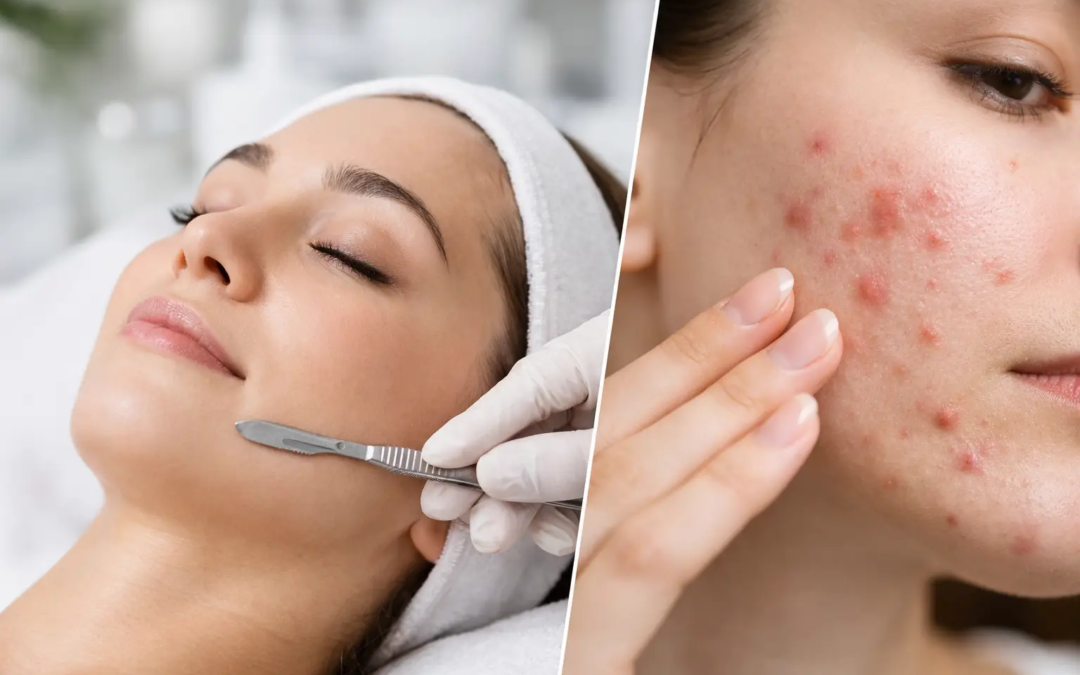
Freshly dermaplaned skin is supposed to look smoother, brighter, and more polished – so it can be frustrating when a few bumps show up afterward. If you are asking, can dermaplaning cause breakouts, the short answer is yes, it can happen. But that does not always mean the treatment itself is the problem. In many cases, post-dermaplaning breakouts are linked to skin type, timing, technique, or what happens in the hours and days after treatment.
Dermaplaning is a controlled exfoliation treatment that removes dead skin cells and fine vellus hair with a sterile surgical blade. When performed correctly, it can leave the skin looking more radiant and help skincare products absorb more effectively. For many clients, it is a beautiful maintenance treatment. For others, especially those with active acne or highly reactive skin, it may need to be timed carefully or paired with a more personalized plan.
Can dermaplaning cause breakouts after treatment?
Yes, but the reason matters. A breakout after dermaplaning is not always a true acne flare. Sometimes it is irritation, temporary congestion, or a reaction to products applied to freshly exfoliated skin. Because dermaplaning removes the outer layer of dead skin, your skin is more exposed immediately afterward. That can be a good thing when the right products and protocols are used. It can also create an opening for inflammation if the skin barrier is already stressed.
One common scenario is that dormant congestion becomes more visible after exfoliation. Tiny clogged pores that were already forming may surface more quickly, making it seem like dermaplaning caused the issue. Another possibility is follicular irritation. Since the treatment skims the surface and removes vellus hair, some people notice small bumps that resemble acne but are actually mild inflammation around the follicles.
There is also the simple fact that exfoliated skin is more vulnerable. Heavy moisturizers, occlusive makeup, sweating, touching the face, or using strong active ingredients too soon can all trigger a reaction. In that case, the treatment may have set the stage, but the breakout is really a response to what followed.
Who is more likely to break out after dermaplaning?
Skin history matters more than most people realize. Clients with active acne, frequent clogged pores, very oily skin, or sensitivity-related inflammation are generally more likely to experience bumps after dermaplaning. That does not mean they can never have the treatment. It means they need careful evaluation first.
If you are dealing with inflamed acne lesions, cystic breakouts, or widespread congestion, dermaplaning may not be the best choice at that moment. Gliding a blade over active acne can spread bacteria, increase irritation, and worsen inflammation. In those cases, it is usually smarter to calm the skin first and focus on the underlying acne process before adding a manual exfoliation treatment.
Rosacea-prone skin and sensitized skin can also react more strongly. Sometimes what looks like a breakout is actually redness, irritation, or a rash-like response from a compromised barrier. This is why professional assessment matters. The right treatment is not just the one that sounds good – it is the one your skin can handle well.
Why bumps appear when the treatment is done incorrectly
Technique has a major impact on outcome. Professional dermaplaning should be performed with a sterile blade, appropriate pressure, and a clear understanding of skin condition. If the angle is off, the skin is overworked, or proper sanitation is not followed, irritation and post-treatment breakouts become more likely.
At-home dermaplaning is where many problems begin. The tools sold for home use are often marketed as simple beauty razors, but the skin does not always respond kindly to repeated scraping, poor hygiene, or overuse. People tend to press too hard, pass over the same area too many times, or use products immediately after that are too strong for newly exfoliated skin. The result can be small pustules, sensitivity, rough texture, or a disrupted barrier that spirals into more breakouts.
This is one reason medically guided skincare tends to produce more reliable results. A trained provider does not just perform the treatment. They decide whether you are a good candidate in the first place, adjust the protocol to your skin, and guide your aftercare so your glow does not turn into inflammation.
Post-dermaplaning breakouts vs purging
These two are often confused, but they are not the same. Purging usually happens when an ingredient like retinoids, acids, or exfoliating agents speeds up cell turnover and brings underlying congestion to the surface. Dermaplaning itself is not typically thought of as a purging treatment in the same way chemical exfoliants are.
If you break out after dermaplaning, it is more often due to irritation, bacteria, occlusion, or pre-existing congestion becoming more noticeable. The timing can help tell the story. Bumps that appear quickly within a day or two may suggest irritation or product reaction. Breakouts that occur later may point more toward clogged pores, sweat, or makeup use on vulnerable skin.
The appearance matters too. Tiny uniform bumps can indicate irritation or follicular response. Larger inflamed pimples may suggest acne-prone skin reacting to occlusion or bacteria. If the skin feels hot, tight, or unusually sensitive along with the bumps, barrier disruption is more likely part of the picture.
How to lower the risk of breakouts after dermaplaning
Good results start before the blade touches the skin. A proper consultation should review acne history, current products, sensitivity, recent peels, retinoid use, and whether the barrier is healthy enough for exfoliation. That level of planning is part of what makes treatment feel both elevated and safe.
Aftercare is equally important. The skin should be kept clean, calm, and protected. For the first day or two, it is usually best to avoid heavy makeup, intense workouts, excessive heat, harsh scrubs, and strong active ingredients unless your provider advises otherwise. A gentle cleanser, barrier-supportive moisturizer, and broad-spectrum sunscreen are usually the essentials.
It also helps to keep hands off the face. This sounds simple, but friction and bacteria can quickly turn freshly exfoliated skin into irritated skin. Pillowcases, makeup brushes, and phones should be clean as well, especially if you are prone to breakouts.
If your skin is acne-prone, the best approach may involve spacing treatments appropriately and combining dermaplaning with a broader treatment plan rather than relying on it alone. In a clinical setting like Medical Advanced Skin Care, that often means choosing the right timing and supporting the skin with customized care instead of using one treatment as a catch-all.
When dermaplaning may not be the right choice
Dermaplaning is not a bad treatment. It is simply not universal. If you have active inflammatory acne, frequent pustules, a damaged barrier, sunburn, eczema flare-ups, or very reactive skin, another option may serve you better first. Sometimes a HydraFacial, gentle peel, acne-focused facial, or barrier-repair plan is the more strategic step.
This is where honest guidance matters. Ethical aesthetic care is not about fitting every client into the same service menu. It is about choosing what will move your skin forward with the least risk and the most confidence. For some people, dermaplaning becomes a regular favorite. For others, it works best occasionally or not at all.
What to do if you break out after dermaplaning
Do not panic and do not overcorrect. Using a string of drying acne products on already sensitized skin usually makes things worse. Start by simplifying your routine. Stick to a gentle cleanser, a non-irritating moisturizer, and sunscreen. Pause aggressive acids, retinoids, scrubs, and spot treatments unless a professional tells you otherwise.
If the bumps are mild, the skin may settle within a few days. If the breakout is inflamed, persistent, itchy, or worsening, reach out to a qualified skincare professional. It is important to tell the difference between acne, irritation, allergic response, and folliculitis because the treatment for each is different.
The goal is not to guess. It is to understand what your skin is communicating and respond with precision.
Dermaplaning can be a beautiful treatment when it is matched to the right skin, done with the right technique, and followed by thoughtful aftercare. If your skin has been sending mixed signals, the smartest next step is not more trial and error – it is a personalized plan that helps you glow without the setbacks.