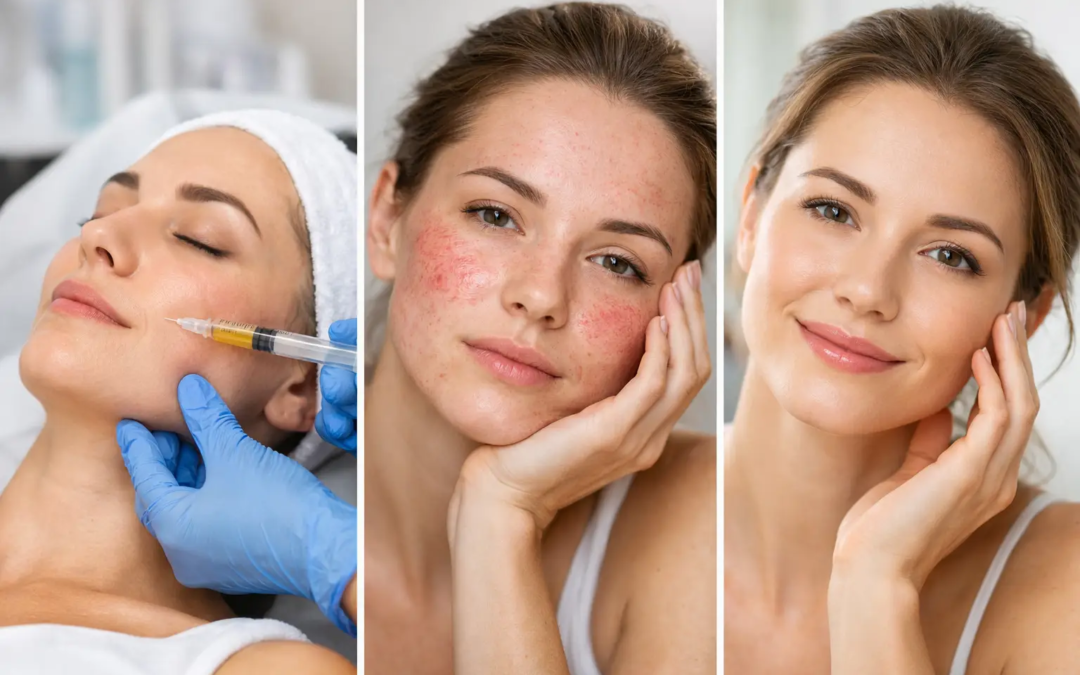
If you are considering a vampire facial, the question usually is not whether your skin will look brighter – it is how quickly you can get back to work, events, and everyday life. A realistic PRP facial recovery timeline helps you plan with confidence, especially if you want visible results without unwanted surprises.
At a well-managed medical aesthetics practice, recovery is usually straightforward, but it is not identical for everyone. Your skin type, sensitivity level, treatment depth, and whether PRP is paired with microneedling all shape what healing looks like. Most clients experience a few days of redness and texture changes, followed by a gradual improvement in tone, glow, and smoothness over the next several weeks.
Understanding the PRP facial recovery timeline
A PRP facial uses platelet-rich plasma from your own blood to support repair and rejuvenation after controlled skin injury, typically created with microneedling. The treatment is popular because it works with your body rather than masking concerns on the surface. That said, the regenerative process takes time.
The most visible part of recovery happens early. The most meaningful skin changes often show up later. That is why the PRP facial recovery timeline can feel a little uneven at first – your skin may look pink and feel dry before it looks refined, brighter, or firmer.
Right after treatment
Immediately after your appointment, your skin will usually look red, similar to a moderate sunburn. Some clients also notice pinpoint bleeding, mild swelling, warmth, or a tight feeling. If your provider used a more intensive microneedling setting to address acne scars or texture, the skin may appear more inflamed than it would after a lighter rejuvenation session.
This stage is normal. Your skin barrier has been temporarily disrupted, and the PRP is being applied or infused while your skin begins its repair cycle. For most people, the first several hours are the most dramatic visually.
You will want to keep your skin clean, avoid touching it unnecessarily, and follow your aftercare exactly. This is not the time for workouts, hot showers, makeup, active skin care, or sun exposure. The goal on day one is simple – protect the skin and let it settle.
Days 1 to 3
The first one to three days are when most people feel the treatment the most. Redness often peaks in the first 24 hours and then gradually eases. Mild swelling can linger, especially under the eyes or around the cheeks. Some clients describe their skin as rough, sandpapery, or unusually dry.
This part of the timeline can be frustrating if you were expecting an instant glow. PRP facials are not event facials in the usual sense. They are corrective, collagen-supporting treatments. In these early days, your skin is busy healing, not yet showing its final cosmetic payoff.
By day two or three, the heat and redness typically start calming down. If you have sensitive skin, rosacea tendencies, or a history of lingering inflammation, it may take a little longer. That does not always mean anything is wrong. It often means your provider should tailor intensity and aftercare carefully in future sessions.
Days 4 to 7
This is the point where many clients begin to feel more comfortable in public without wondering if everyone notices their skin. Redness continues to fade, and swelling is usually minimal or gone. What often replaces it is dryness, slight flaking, or a bronzed texture.
That roughness is temporary. It reflects the skin turnover process, especially when microneedling is part of the treatment. Picking, scrubbing, or over-exfoliating can interrupt healing and increase irritation, so restraint matters here.
By the end of the first week, many people notice their skin looking fresher, even if the deeper collagen benefits have not arrived yet. Makeup often sits better again around this stage, though your provider may guide you on when to resume it safely.
Weeks 2 to 4
This is where the PRP facial recovery timeline becomes more rewarding. The surface healing is largely complete for most clients, and the skin may start looking brighter, smoother, and more even. Some people notice that their complexion has a healthier tone or that fine lines seem softer in certain lighting.
If your goals are glow, mild texture refinement, or a refreshed appearance, you may already feel pleased at this point. If your goals include acne scar improvement, deeper textural change, or firmness, you will likely need more time and often a series of treatments.
This is one of the biggest misconceptions around PRP facials. Recovery and results are not the same thing. Recovery may take a few days to a week, but collagen remodeling continues beyond that. The skin can keep improving gradually after the visible downtime has passed.
One to three months after treatment
The longer-term benefits of a PRP facial often develop over several weeks. Around one to three months, many clients see the most satisfying changes in texture, radiance, and overall skin quality. The skin may appear smoother, healthier, and more resilient rather than dramatically altered.
That subtlety is often part of the appeal. A well-done PRP facial tends to create refreshed skin that looks like your skin – only better. You do not look done. You look rested, polished, and cared for.
If you are treating scarring or more advanced signs of aging, your provider may recommend a treatment plan rather than a single session. In those cases, each recovery period builds on the next, and results become more noticeable over time.
What can affect healing time?
Not every PRP facial recovery timeline is identical. A lighter treatment for maintenance may leave you pink for a day or two. A deeper session designed for texture or acne scarring may involve more swelling, longer dryness, and a few extra days of social downtime.
Your skin care habits matter too. Sun exposure, harsh products, smoking, dehydration, and returning too quickly to heat or exercise can all make the skin more reactive. On the other hand, thoughtful aftercare, hydration, and a treatment plan designed for your skin can support a smoother recovery.
Provider technique also plays a major role. In a clinical setting where skin is properly assessed before treatment, the depth and protocol can be adjusted to your goals instead of pushing a one-size-fits-all approach. That balance matters. More aggressive is not always better, especially if your skin barrier is already compromised.
How to make recovery easier
The best aftercare is usually gentle, boring, and consistent. Use only the products your provider recommends in the first few days. Keep the skin moisturized, avoid direct sun, and wear protection once your provider says sunscreen can be resumed. Try not to schedule a PRP facial right before a wedding, photo session, vacation, or major work event unless you have enough buffer time.
It also helps to think beyond the first 48 hours. Even when redness fades quickly, your skin is still moving through a healing cycle. If you treat it too aggressively because it looks normal again, you can set yourself back.
For many South Florida clients, sun exposure is the biggest recovery mistake. Freshly treated skin is more vulnerable, and even brief unprotected time outdoors can prolong redness or trigger unwanted pigment changes.
When should you call your provider?
Mild redness, tightness, dryness, and sensitivity are expected. Worsening swelling, unusual pain, pus, spreading rash, fever, or delayed healing are not. If something feels off, it is always better to check in early.
A professional provider should give clear post-care instructions and realistic expectations before treatment, not after you are already worried. That kind of guidance is part of what makes advanced skin rejuvenation feel not only luxurious, but safe.
At Medical Advanced Skin Care, that personalized approach matters because good results are rarely about the treatment alone. They come from matching the right protocol to the right skin, then supporting recovery with the same level of care.
Planning around your schedule
If you want the simplest version of the PRP facial recovery timeline, think of it this way: day one looks the most intense, days two to three are still visibly healing, days four to seven are socially easier, and the real cosmetic improvement continues over the next month or more.
For some clients, that means booking on a Thursday or Friday so the most obvious redness happens over the weekend. For others, especially those with sensitive or reactive skin, it means allowing a full week before any important plans. That extra margin can make the experience feel far more relaxed.
The best time for a PRP facial is not just when you want better skin. It is when you can give your skin the space to heal well. When expectations are clear and the treatment is customized, recovery tends to feel less like downtime and more like part of the transformation.
Beautiful skin rarely happens in a rush. Give your results time to develop, protect the healing process, and let your skin show you what it can do with the right support.