
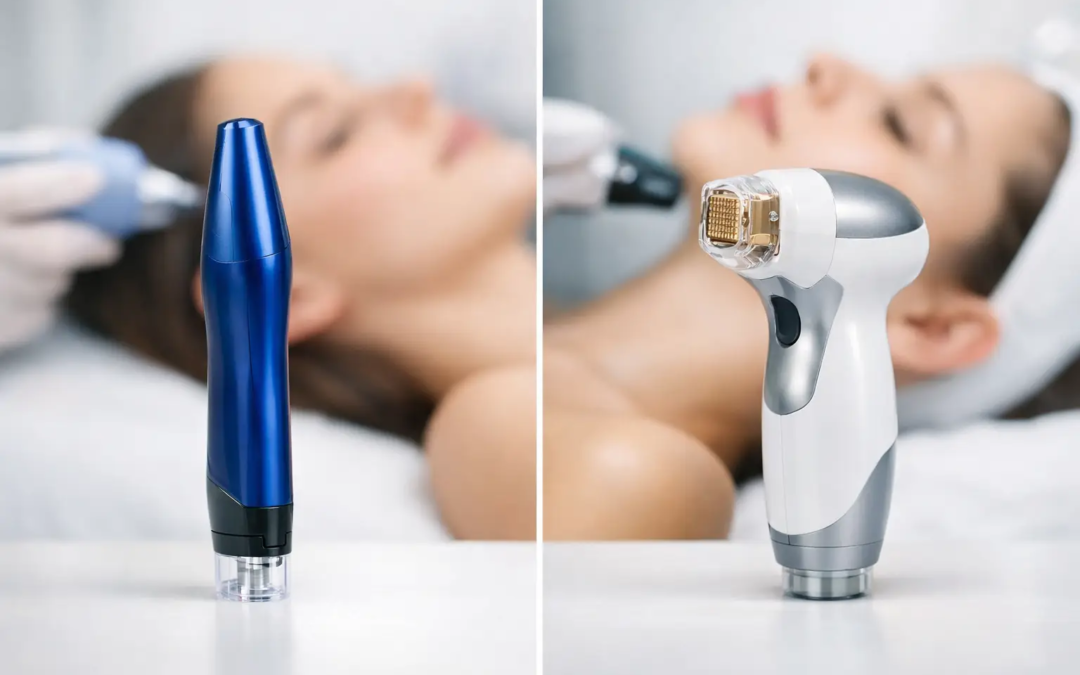
If you are weighing skinpen vs rf microneedling, you are probably not looking for a trendy treatment. You want clearer texture, softer acne scars, smoother lines, and skin that looks healthier without committing to surgery or an overly aggressive recovery. The real question is not which treatment is better in general. It is which one is better for your skin, your goals, and your comfort level.
Both treatments use controlled micro-injuries to stimulate collagen, but they do not work in exactly the same way. SkinPen is a traditional microneedling treatment that creates precise channels in the skin to encourage repair and renewal. RF microneedling combines those tiny needles with radiofrequency heat, adding a tightening component and a deeper remodeling effect. That difference matters, especially if you are treating scars, early laxity, or texture changes that need more than surface-level improvement.
SkinPen vs RF microneedling at a glance
SkinPen is often the better fit for clients who want a proven, collagen-stimulating treatment with less intensity and a more straightforward recovery. It is especially popular for improving acne scars, rough texture, enlarged pores, and overall skin quality. Because it does not use heat, it can feel like a more conservative approach while still delivering meaningful results over a series of treatments.
RF microneedling tends to appeal to clients who want skin renewal plus a firmer look. The added radiofrequency energy helps heat the deeper layers of skin, which can support collagen remodeling in a different way than traditional microneedling alone. That can make it attractive for concerns like mild skin laxity, crepey texture, and deeper acne scarring.
This is where nuance matters. More advanced does not always mean better. For some skin types and concerns, SkinPen is exactly the right treatment. For others, RF microneedling may offer an edge. A personalized consultation is what separates a smart treatment plan from an expensive guess.
How SkinPen works
SkinPen is an FDA-cleared microneedling device designed to create thousands of controlled microchannels in the skin. These channels trigger the body’s natural wound-healing response, which helps stimulate collagen and elastin production over time. The treatment can improve skin texture, reduce the look of acne scars, soften fine lines, and support a fresher, more even appearance.
One reason SkinPen remains a favorite in medical aesthetics is that it is effective without adding thermal energy. That means the treatment focuses on mechanical collagen induction rather than heat-based remodeling. For many clients, that translates to visible improvement with a recovery period that feels manageable.
SkinPen is often used on the face, but it can also be appropriate for areas like the neck or other spots where texture and scarring are concerns. The treatment is customizable, and a series usually produces the best outcome.
Who tends to do well with SkinPen
Clients with mild to moderate acne scarring, uneven texture, enlarged pores, and early signs of aging often respond beautifully to SkinPen. It is also a strong option for people who want skin rejuvenation but prefer to avoid heat-based devices.
If your goal is healthier, smoother, more refined skin rather than dramatic tightening, SkinPen may be all you need. It is a treatment that rewards consistency and realistic expectations.
How RF microneedling works
RF microneedling uses needles to penetrate the skin, but it also delivers radiofrequency energy into the tissue. That added heat can stimulate collagen and elastin while also encouraging skin contraction. In practical terms, RF microneedling aims to improve texture and scars while also addressing firmness.
Because of the thermal component, RF microneedling is often positioned as the more intensive option. It may be recommended for clients with moderate acne scarring, deeper textural changes, or mild skin laxity around areas like the jawline, cheeks, or lower face.
That said, intensity comes with trade-offs. Recovery may be a bit more involved, and treatment settings need to be selected carefully based on skin type, concern, and tolerance. The right provider matters just as much as the device.
Who tends to do well with RF microneedling
RF microneedling may be a better fit if your skin goals include tightening along with resurfacing. It is often chosen by clients who feel their skin looks less firm than it used to, especially when texture and fine lines are part of the picture too.
It can also be helpful when acne scarring is more pronounced and simple collagen stimulation may not be enough on its own. Still, the best candidates are not determined by age alone. Skin quality, sensitivity, and treatment goals all matter.
SkinPen vs RF microneedling for common concerns
For acne scars, both treatments can be effective, but the type and depth of the scars matter. SkinPen is excellent for many mild to moderate atrophic scars and post-acne texture issues. RF microneedling may offer added benefit when scars are deeper or when there is a need for more aggressive remodeling.
For fine lines and crepey texture, either treatment can help stimulate renewal. SkinPen improves overall texture and smoothness, while RF microneedling may provide a bit more support if the skin also looks loose or less resilient.
For pores and surface texture, SkinPen is often a strong choice. It can refine the skin beautifully over time, especially when paired with a thoughtful skincare plan. RF microneedling can help here too, but not every client needs the added heat.
For skin tightening, RF microneedling generally has the advantage. Traditional microneedling supports firmness indirectly through collagen production, but RF was designed with tightening in mind.
Downtime, comfort, and recovery
This is often the deciding factor for busy clients.
SkinPen usually involves redness similar to a moderate sunburn for a day or two, followed by some dryness or roughness as the skin renews. Many people feel comfortable returning to normal routines fairly quickly, with a few post-treatment precautions.
RF microneedling can involve more swelling, redness, and sensitivity depending on the depth and energy settings used. Some clients recover quickly, while others need a few extra days before their skin looks fully settled. If your schedule is packed with work events, travel, or social commitments, that difference may matter.
Comfort during treatment can vary as well. Both are typically performed with topical numbing, but RF microneedling is often perceived as more intense because of the heat component. That does not make it a bad choice. It simply means comfort planning and expectation setting are part of the treatment experience.
Safety and skin tone considerations
Not every collagen treatment is equally appropriate for every skin tone, and this is where professional guidance is essential. SkinPen is often appreciated for its versatility across a wide range of skin types when used correctly. Because it does not rely on heat, it can be a reassuring option for clients concerned about post-inflammatory pigmentation.
RF microneedling can also be used on many skin tones, but provider expertise becomes especially important. The added energy means settings must be selected with care to protect the skin while still delivering results. In experienced hands, this can be done well. It is simply not a treatment that should be approached casually.
Which treatment gives better results?
The honest answer is that better results depend on what you mean by better.
If you want smoother texture, gradual collagen support, and improvement in acne scars with a treatment that feels proven and approachable, SkinPen may give you exactly the result you are hoping for. If you want all of that plus more visible tightening, RF microneedling may be worth considering.
Some clients also do better starting with a more conservative treatment and reassessing once their skin has responded. Others are good candidates for a more advanced plan from the beginning. Ethical aesthetic care is not about pushing the strongest option. It is about matching the treatment to the person.
How to choose between SkinPen and RF microneedling
The best choice comes down to your primary concern, your tolerance for downtime, your skin type, and how aggressive you want to be. If your focus is acne scars, pores, and texture, SkinPen is often an excellent first-line treatment. If your focus includes firmness and deeper remodeling, RF microneedling may be the better match.
Your history matters too. Sensitive skin, pigment concerns, active acne, recent sun exposure, and certain medical conditions can all influence timing and treatment selection. That is why a consultation should feel educational, not sales-driven.
At a clinic like Medical Advanced Skin Care, where clinical expertise meets luxury care, that personalized approach is the difference between chasing treatments and building a plan that supports long-term skin confidence.
The right treatment should not just sound impressive. It should make sense for your skin today, and still feel like the right decision when you see your results weeks from now.