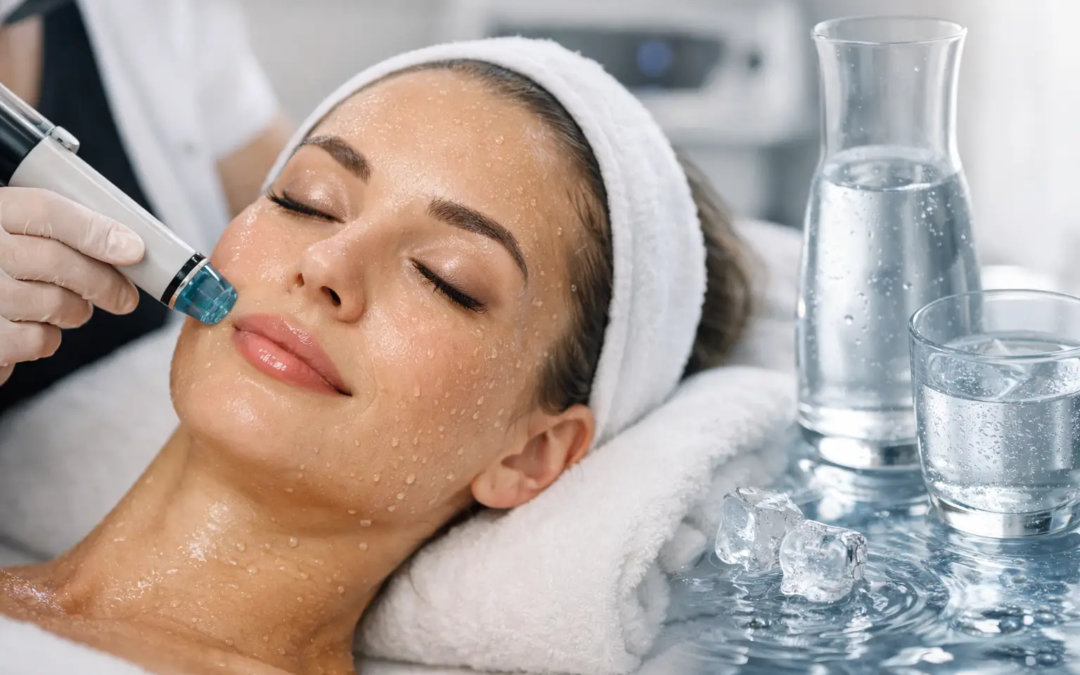
Dehydrated skin rarely looks dramatic at first. More often, it shows up as makeup that clings in the wrong places, a complexion that looks dull by noon, or skin that feels tight even when you are using moisturizer. If you have been wondering how HydraFacial helps dehydration, the answer starts with something simple: dehydrated skin does not just need more product on top. It needs the right kind of exfoliation, hydration, and barrier support delivered in a way the skin can actually use.
Understanding dehydration vs. dry skin
Many people use dry skin and dehydrated skin as if they mean the same thing, but they are not identical. Dry skin is a skin type that produces less oil. Dehydrated skin is a condition where the skin lacks water. You can have oily skin and still be dehydrated, which is one reason this concern gets missed so often.
In South Florida, dehydration can be especially common. Heat, sun exposure, indoor air conditioning, travel, over-cleansing, strong active ingredients, and even stress can all leave skin looking flat and feeling uncomfortable. When the skin barrier is not functioning at its best, moisture escapes more easily. That can lead to rough texture, increased sensitivity, and fine lines that look more noticeable than they really are.
How HydraFacial helps dehydration at the skin level
HydraFacial is effective for dehydration because it does more than apply hydration to the surface. The treatment combines cleansing, gentle exfoliation, extraction, and targeted serum infusion in one session. That sequence matters.
When dead skin cells build up, hydrating ingredients have a harder time reaching the fresher skin underneath. If pores are congested and the skin surface is uneven, the complexion often looks dull and tired no matter how much moisturizer you use at home. HydraFacial addresses that by clearing away the layer that is getting in the way, then delivering hydrating and nourishing ingredients immediately afterward.
This is one reason clients often notice that their skin looks smoother and more radiant right away. It is not only because the skin has been cleaned well. It is because hydration is being introduced after the skin has been properly prepared to receive it.
Gentle exfoliation without the harsh aftereffects
For dehydrated skin, aggressive exfoliation can backfire. If the skin is already feeling tight or reactive, too much scrubbing or a strong peel may leave it even more compromised. HydraFacial takes a gentler approach.
The exfoliation step helps remove dull, dry surface cells that can make skin look rough and uneven. Because the process is controlled and non-abrasive, it tends to be more comfortable for people who want fresher skin without the redness and downtime that stronger resurfacing can sometimes bring. That balance is important. Dehydrated skin usually responds better to treatments that refresh the skin while respecting the barrier.
Vacuum-assisted extraction that does not strip the skin
Congestion and dehydration can happen at the same time. In fact, they often do. Some people overuse acne products or foaming cleansers to deal with clogged pores, then end up with skin that feels both oily and tight.
HydraFacial uses vortex suction to lift out debris from pores in a more refined way than manual squeezing alone. That means the skin can be deeply cleansed without the stripped feeling that often follows harsher treatments. When the skin is less inflamed and less burdened by buildup, it tends to reflect light better and feel more balanced.
Serum infusion that supports real hydration
This is where HydraFacial stands apart from a standard facial. After cleansing and exfoliation, the treatment infuses the skin with hydrating serums selected to support moisture, comfort, and visible radiance. These formulas often include ingredients such as hyaluronic acid, peptides, and antioxidants.
Hyaluronic acid is especially helpful for dehydrated skin because it attracts water and helps the skin feel plumper. Peptides can support the skin’s overall resilience, while antioxidants help defend against environmental stressors that can contribute to a tired, depleted look. Together, these ingredients help the skin look refreshed, not just polished.
Why dehydrated skin often improves quickly with HydraFacial
One of the reasons clients love this treatment is that it can deliver a visible difference without making the skin look overworked. Dehydration tends to create a certain kind of dullness – the skin appears tired, texture stands out more, and fine lines can look deeper because the surface lacks water.
Once the skin is exfoliated, cleared, and replenished, it often looks softer and brighter almost immediately. Fine dehydration lines may appear less obvious. Makeup tends to apply more smoothly. The skin feels more comfortable rather than tight.
That said, results depend on what is causing the dehydration. If your skin is dehydrated because of travel, weather shifts, or temporary product misuse, one HydraFacial may create a noticeable reset. If dehydration is part of a larger pattern tied to barrier damage, chronic sun exposure, or an overly aggressive routine, you may need a more personalized treatment plan and home care strategy to maintain the improvement.
Who is a good candidate for HydraFacial for dehydration?
HydraFacial works well for many adults because it can be customized. That matters when dehydration shows up differently from person to person. One client may have flaky patches and sensitivity. Another may have oily skin, enlarged pores, and a dehydrated surface. Another may be noticing that their skin simply no longer has the glow it used to.
In a clinical setting, the treatment can be adjusted based on skin condition, goals, and tolerance. That makes it a strong option for people who want hydration support without committing to a more aggressive procedure right away. It can also be a smart maintenance treatment for those already investing in long-term skin health.
Still, customization matters. Severely sensitized skin, active irritation, or certain inflammatory flare-ups may call for a modified approach or a pause before treatment. A professional consultation helps determine whether HydraFacial is the best fit now or part of a broader skin restoration plan.
How it compares to at-home hydration efforts
A good home routine matters, but dehydrated skin often needs more than a heavier cream. If dead skin cells are sitting on the surface and the barrier is already stressed, even excellent skincare may not perform the way you want it to.
HydraFacial can enhance the effectiveness of your home products by clearing buildup and improving the skin’s ability to receive hydration. Think of it as creating better conditions for your daily skincare to work. It is not a substitute for consistent home care, but it can help break the cycle when the skin feels stuck.
For best results, the treatment should be supported by gentle cleansing, daily sun protection, and moisturizers or serums that match your skin’s actual needs. Overusing exfoliants at home is one of the fastest ways to undo progress on dehydration.
How often should you get HydraFacial for dehydrated skin?
That depends on your skin and your goals. Some clients benefit from a HydraFacial before a special event because it gives the skin a smoother, fresher look without downtime. Others do best with regular monthly treatments, especially if dehydration, dullness, and congestion keep returning.
If your skin is chronically dehydrated, regular treatments can help maintain a healthier balance over time. In a clinic that takes a personalized approach, frequency is based on more than convenience. It should reflect your barrier health, seasonal changes, age-related concerns, and the rest of your skincare plan.
At Medical Advanced Skin Care, that kind of individualized treatment planning is what helps turn a good facial into a smarter long-term investment in skin health.
What to expect after treatment
Most clients leave with skin that looks cleaner, brighter, and more hydrated. There is typically little to no downtime, which makes HydraFacial appealing for busy professionals and anyone who wants results without a lengthy recovery.
The finish is often described as glowing, but the more meaningful change is how the skin feels – less tight, less rough, and more comfortable. For dehydrated skin, comfort is a result. When the skin feels calm and supported, it usually looks better too.
To protect those results, post-treatment care should stay simple. Avoid harsh exfoliants right away, keep up with hydration, and wear sunscreen consistently. The goal is to preserve the skin barrier, not challenge it.
When HydraFacial is part of a bigger skin strategy
Hydration is foundational, but it is not the whole picture. Some clients dealing with dehydration are also concerned about uneven tone, fine lines, acne marks, or laxity. In those cases, HydraFacial can play an important supporting role by keeping the skin healthy, balanced, and treatment-ready.
That is often where professional guidance makes the biggest difference. Rather than chasing symptoms with random products, a personalized plan can address why the skin is dehydrated and how to restore a stronger, more radiant baseline.
If your skin has been looking tired, textured, or strangely tight no matter what you apply at home, hydration may be the missing piece. Sometimes the skin does not need more steps. It needs the right treatment at the right time.