Skin can look less firm long before it looks dramatically aged. Fine lines linger after a good night’s sleep, makeup settles into texture that was not there a few years ago, and the jawline or cheeks may appear less defined. This guide to collagen boosting treatments explains how professional skin rejuvenation can support the structure beneath the surface – without surgery or an overly aggressive approach.
Collagen is the protein that gives skin much of its firmness, bounce, and smooth appearance. Natural production slows with time, while sun exposure, environmental stress, acne inflammation, and lifestyle factors can speed up visible changes. The goal of a well-chosen treatment plan is not to force a temporary transformation. It is to encourage healthier-looking skin through targeted, clinically informed care that respects your skin’s needs.
What collagen-boosting treatments can realistically do
Professional treatments can stimulate the skin’s natural repair response, improve the appearance of texture and fine lines, and help skin look more lifted, even, and refreshed over time. Results are gradual with many collagen-focused services because collagen remodeling does not happen overnight. That slower progression is often part of what makes the outcome look natural.
What these treatments cannot do is replace significant volume loss, erase every deep wrinkle, or deliver the same result as surgery. The right recommendation depends on your skin quality, level of laxity, pigmentation concerns, acne history, downtime tolerance, and desired timeline. Ethical aesthetic care begins with setting that expectation clearly.
Guide to collagen boosting treatments: your main options
SkinPen microneedling for texture and renewal
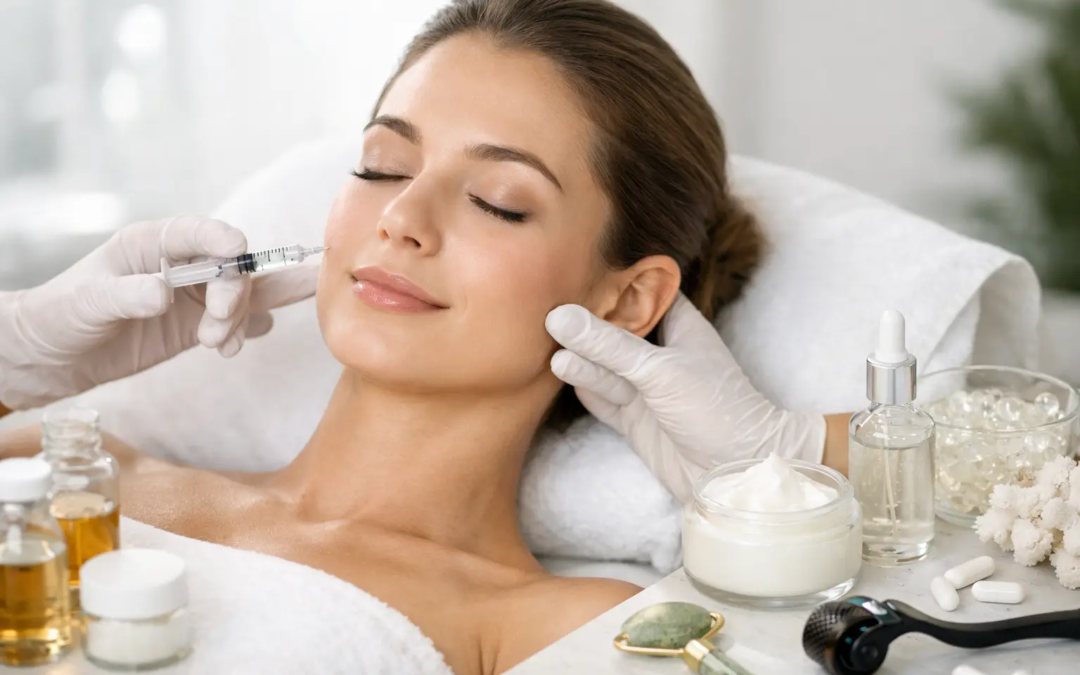
SkinPen microneedling creates controlled microchannels in the skin to activate its natural healing response. As the skin repairs itself, it produces new collagen and elastin that can improve the look of fine lines, enlarged pores, acne scarring, and uneven texture.
Microneedling is especially appealing for clients who want meaningful skin renewal with relatively manageable downtime. Expect temporary redness and sensitivity, much like a sunburn, followed by a short recovery period. A series of treatments is often recommended for more noticeable texture concerns, particularly acne scars. Results continue to develop in the weeks after each appointment.
PRP Vampire Facial for a personalized regenerative boost
A PRP Vampire Facial pairs microneedling with platelet-rich plasma derived from a small sample of your own blood. PRP contains growth factors involved in the body’s repair processes. When applied alongside microneedling, it can support recovery and enhance the treatment’s rejuvenating effect.
This option is often chosen by clients seeking a naturally derived approach to smoother, more luminous-looking skin. It can be particularly beneficial when dullness, early lines, or uneven texture are the main concerns. Since PRP is prepared from your own blood, candidacy and treatment expectations should be reviewed during a professional consultation.
Ultraformer III for non-surgical skin tightening
When the concern is a softer jawline, mild laxity, or loss of firmness in the lower face and neck, Ultraformer III may be a stronger fit than a surface-focused treatment alone. This technology uses focused ultrasound energy to target deeper layers of tissue, where collagen remodeling can improve the appearance of skin tightness over time.
Ultraformer III is not a surgical facelift, and it should not be presented as one. It is best suited to clients with mild to moderate laxity who want a non-invasive option and are comfortable waiting for progressive results. Some clients see an early tightening effect, while the fuller collagen response can take several months to appear.
BBL for sun-related skin changes
BroadBand Light, or BBL, is often selected for concerns that make skin appear older than it feels: visible sun spots, redness, uneven tone, and a dull complexion. While BBL is known for improving discoloration, it can also support collagen activity and overall skin quality when performed as part of a personalized plan.
For South Florida skin, where years of sun exposure are common, treating pigment and redness can make a remarkable difference in how fresh and even the complexion appears. BBL is not the first choice for every skin tone or every pigmentation condition, which is why a careful skin assessment matters. The wrong light-based approach can worsen certain forms of discoloration.
Chemical peels for brighter, smoother skin
Chemical peels work primarily at the skin’s surface, accelerating the shedding of damaged cells and supporting a smoother renewal process. Depending on the formula and depth, a peel can help improve dullness, rough texture, minor lines, breakouts, post-acne marks, and uneven tone.
A professional peel, such as the Miami Peel, can complement collagen-focused procedures by refining the outer layer of skin. It may not provide the deeper structural stimulation associated with microneedling or focused ultrasound, but it can make skin look brighter and more polished while supporting a comprehensive rejuvenation plan. Peels require thoughtful timing around other treatments and a diligent post-treatment routine.
Choosing the right treatment is not about choosing the strongest one
The most effective plan is often a strategic combination, not a single appointment. Someone with acne scarring and enlarged pores may benefit most from a series of microneedling sessions, potentially with PRP. Someone with photoaging, sun spots, and redness may see a greater visible improvement from BBL paired with a peel. For mild facial laxity, Ultraformer III can address concerns that topical skincare and resurfacing treatments cannot reach as directly.
Your calendar matters, too. Microneedling and PRP generally involve visible redness for a few days. Peels may create flaking or peeling, depending on their strength. BBL can leave temporary redness and may cause pigmented spots to darken before they lift. Ultraformer III usually has little social downtime, although some tenderness or sensitivity can occur.
A consultation should also account for active acne, melasma, rosacea, recent sun exposure, medications, a history of cold sores, pregnancy status, and previous cosmetic procedures. These details help determine whether a treatment is appropriate now, needs to be modified, or should be postponed.
How to protect your collagen between appointments
In-clinic treatments do more when they are supported by consistent home care. Daily broad-spectrum sunscreen is the most practical collagen-preserving habit, especially in South Florida. Sun exposure breaks down collagen and can worsen pigmentation, undermining the progress made through professional treatments.
A personalized medical-grade skincare routine may include antioxidants in the morning and retinoids or other renewing ingredients at night, if your skin can tolerate them. Gentle cleansing, barrier-supporting hydration, and avoiding smoking also matter. More products are not automatically better. Over-exfoliating or combining active ingredients without guidance can leave skin irritated and delay the progress you want to see.
Nutrition, sleep, and hydration support overall skin health, but they are not substitutes for sun protection or clinically appropriate treatment. Collagen supplements may be of interest to some clients, yet they should be viewed as an optional addition rather than a replacement for a well-designed skin plan.
When will you see results?
Treatments that stimulate collagen reward patience. After microneedling, initial glow can appear quickly, while more meaningful improvements in texture typically build over four to twelve weeks. PRP follows a similar timeline. Ultraformer III results may continue to develop for two to three months or longer as collagen remodeling progresses.
BBL and chemical peels can provide a faster improvement in radiance and visible discoloration, but maintenance is key. Skin continues to age, sun exposure continues to accumulate, and collagen production continues to change. Periodic maintenance appointments can help protect and extend your results without chasing an artificial look.
At Medical Advanced Skin Care, the best place to begin is a conversation about what you see in the mirror, what you want to change, and what you want to preserve. A personalized treatment plan should leave you looking rested, refined, and confidently like yourself – with skin health that continues to show over time.